

Main Pneumatic Conveying Structures for Rice Grain Handling
HeadPowder, a leading engineering firm based in Shandong, China, specializes in the design and implementation of efficient pneumatic conveying systems tailored for rice grain handling. With a focus on optimizing material transport processes, the company's expertise lies in developing robust structures that ensure reliable and cost-effective movement of rice grains from storage to processing units.
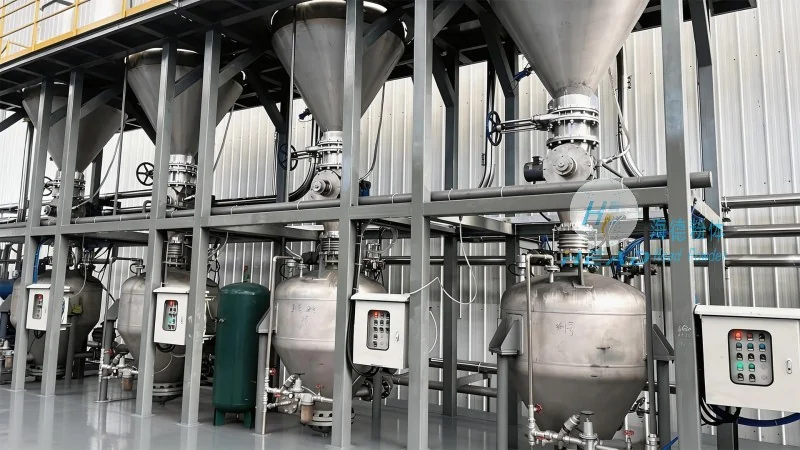
Key Pneumatic Conveying Structures for Rice Grain Handling
When it comes to transporting rice grains, several pneumatic conveying structures are commonly employed, each offering unique advantages based on operational requirements and material characteristics. These structures are engineered to handle the specific properties of rice, such as its size, density, and moisture content, ensuring minimal product degradation during transport.
Positive Pressure Conveying Systems
Positive pressure conveying systems utilize a blower or fan to generate air pressure within the conveying line, pushing the rice grain material forward. This method is particularly effective for short to medium-distance transport and is suitable for applications where the rice is to be delivered to a processing facility or storage silo. The system typically includes a hopper, a rotary airlock, and a pipeline network that directs the material to the destination. The positive pressure approach minimizes the risk of dust accumulation and ensures a consistent flow rate, making it ideal for handling bulk rice grains in industrial settings.
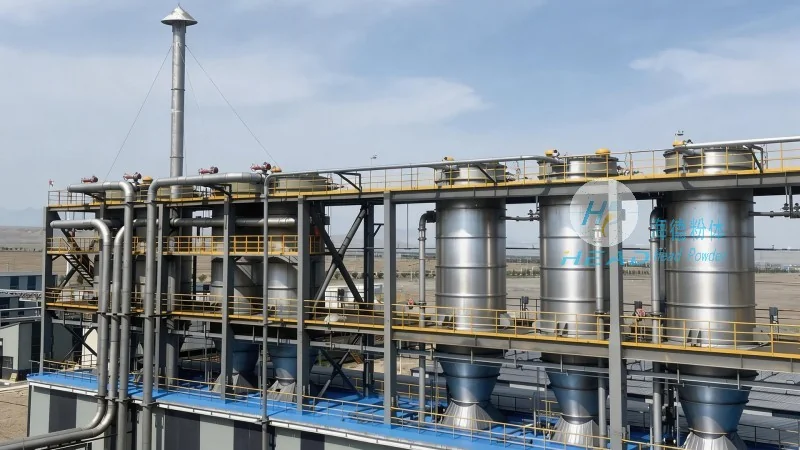
Negative Pressure Conveying Systems
Negative pressure conveying systems operate by creating a vacuum in the conveying line, drawing the rice grain material into the system. This method is often preferred for longer distances or when the rice needs to be transported from multiple sources to a central processing point. The system features a suction fan, a hopper, and a collection bin, with the vacuum created by the fan pulling the material through the pipeline. Negative pressure systems are effective in preventing product contamination and are commonly used in environments where dust control is critical, such as in food processing plants.
Hybrid Conveying Systems
Hybrid conveying systems combine elements of both positive and negative pressure methods, offering flexibility in handling diverse operational scenarios. These systems are designed to adapt to varying transport distances and material flow rates, making them suitable for complex rice grain handling operations. By integrating positive and negative pressure components, hybrid systems can optimize energy consumption while maintaining efficient material transport. For instance, a hybrid system might use positive pressure for short segments and negative pressure for longer stretches, ensuring smooth and continuous movement of rice grains throughout the entire process.
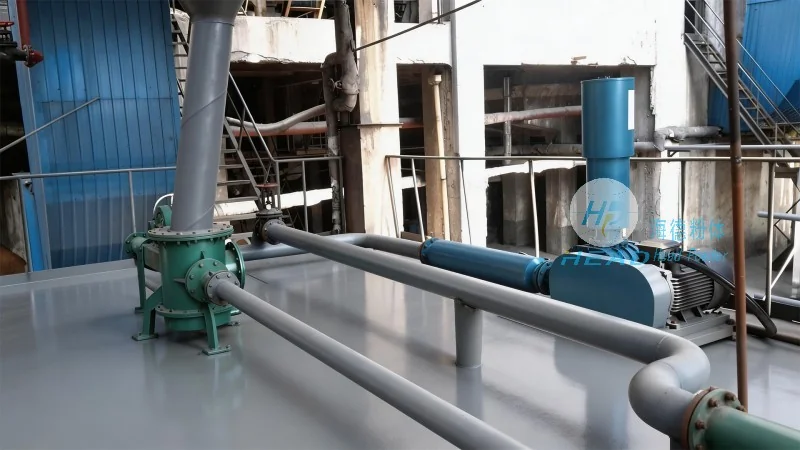
Key Components in Rice Grain Pneumatic Conveying Structures
Regardless of the specific type of pneumatic conveying system used, several critical components are essential for reliable operation. These components work in tandem to ensure the efficient and safe transport of rice grains. The primary components include:
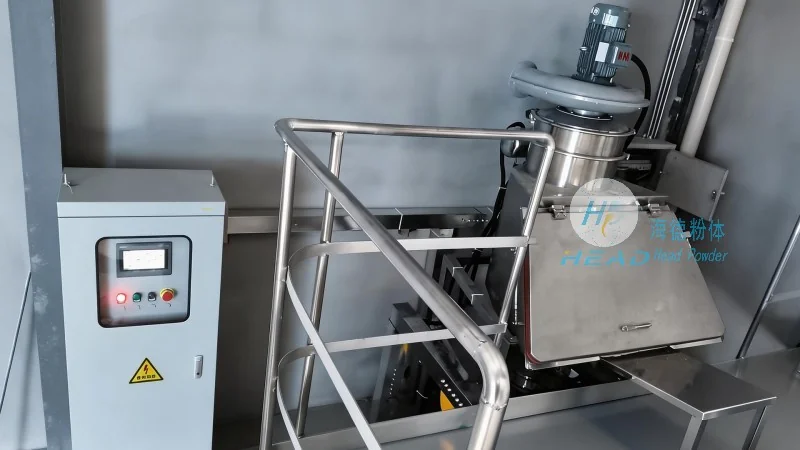
- Hoppers and Feeders: Hoppers are used to store and feed the rice grain material into the conveying system. Rotary airlocks or vibratory feeders are commonly employed to control the flow rate and prevent blockages, ensuring a consistent supply of material to the pipeline.
- Pipelines and Fittings: The conveying pipeline is typically made of stainless steel or other corrosion-resistant materials to withstand the abrasive nature of rice grains and maintain hygiene standards. Various fittings, such as elbows, tees, and reducers, are used to direct the material flow and adjust the pipeline diameter as needed.
- Air Handling Units: Blowers or fans are used to generate the necessary pressure or vacuum in the system. The choice of air handling unit depends on the system type (positive or negative pressure) and the required flow rate. These units are designed to handle the specific air volume and pressure required for efficient rice grain transport.
- Collection and Discharge Equipment: At the receiving end, collection bins or silos are used to store the transported rice grains. Discharge equipment, such as rotary valves or slide gates, is employed to control the release of material from the system, preventing spillage and ensuring a smooth transition to the next processing stage.
Benefits of Using Pneumatic Conveying Structures for Rice Grain Handling
Implementing pneumatic conveying structures for rice grain handling offers several advantages over traditional methods like belt conveyors or bucket elevators. These benefits include:
- Reduced Product Contamination: Pneumatic systems minimize direct contact between the rice grains and external surfaces, reducing the risk of contamination from dust, moisture, or foreign particles. This is particularly important in food processing applications where product quality and safety are paramount.
- Energy Efficiency: Modern pneumatic conveying systems are designed to be energy-efficient, utilizing optimized air flow rates and pressure levels to minimize energy consumption. This not only reduces operational costs but also aligns with sustainability goals in the food industry.
- Space Efficiency: Pneumatic conveying systems can be installed in compact spaces, making them suitable for facilities with limited floor area. The flexible pipeline design allows for easy integration into existing layouts without the need for extensive structural modifications.
- Improved Process Control: Advanced control systems can be integrated into pneumatic conveying structures to monitor and regulate the flow rate, pressure, and temperature of the rice grain material. This enables precise control over the entire transport process, enhancing overall operational efficiency.
Conclusion
HeadPowder Engineering Co., Ltd., based in Shandong, China, provides comprehensive solutions for pneumatic conveying structures tailored to the specific needs of rice grain handling. By leveraging advanced engineering principles and robust component design, the company ensures that rice grains are transported efficiently, safely, and with minimal product degradation. Whether using positive, negative, or hybrid systems, the key is to select the appropriate structure based on operational requirements, material characteristics, and environmental considerations. With HeadPowder's expertise, rice processing facilities can optimize their material transport processes, enhancing productivity and maintaining high standards of product quality.