

[MATCH]Main Types of Gypsum Calcium Pneumatic Conveying Structures
HeadPowder, a leading engineering firm based in Shandong, China, specializes in the design and implementation of advanced pneumatic conveying systems for gypsum calcium applications. The company's expertise lies in providing tailored solutions that enhance efficiency and reliability in material handling processes. This article explores the primary structural configurations used in gypsum calcium pneumatic conveying systems, highlighting their functionalities and applications.
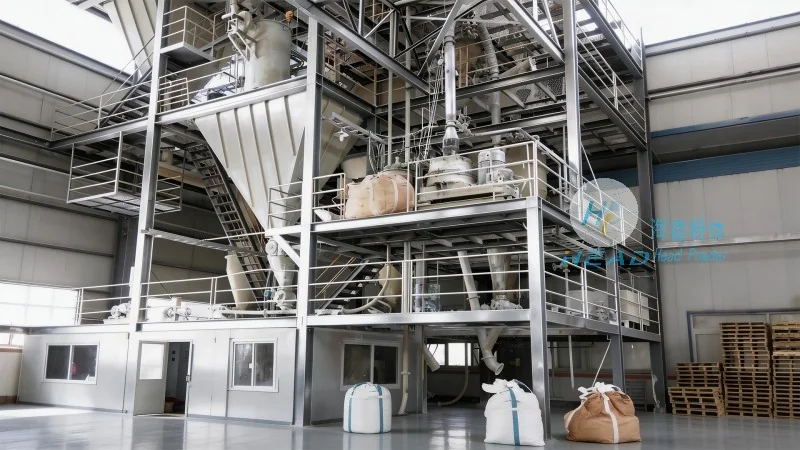
Introduction to Gypsum Calcium Pneumatic Conveying Systems
Gypsum calcium, a widely used industrial material, requires efficient and safe transportation methods to meet production demands. Pneumatic conveying systems offer a versatile solution by utilizing air pressure to move bulk materials through pipelines. The structural design of these systems is critical to ensure optimal performance, minimize material degradation, and maintain system integrity. HeadPowder Engineering Co., Ltd., with its headquarters in Shandong, China, has developed several key structural configurations tailored to the unique properties of gypsum calcium.
Types of Gypsum Calcium Pneumatic Conveying Structures
The primary structural types used in gypsum calcium pneumatic conveying systems include the following:
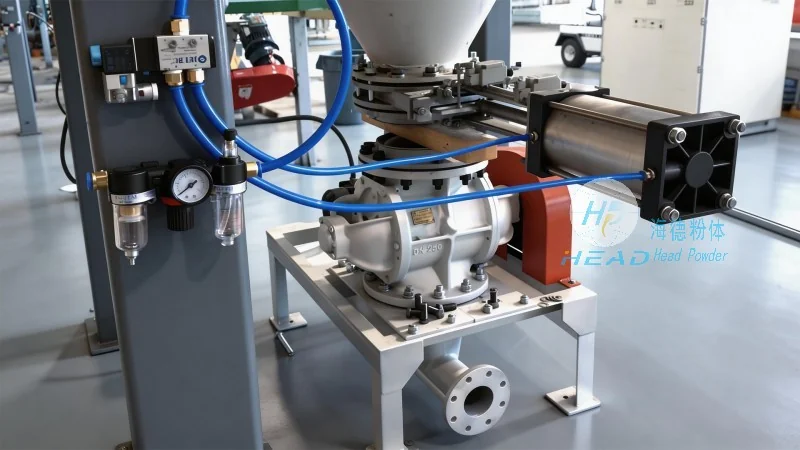
1. Dilute Phase Pneumatic Conveying
Dilute phase systems are characterized by the low concentration of material in the conveying air. This method is suitable for transporting gypsum calcium over moderate distances and at relatively low material velocities. The system typically consists of a feeding device, a pipeline network, and a collection hopper. The material is suspended in the air stream, allowing for smooth and continuous transport. HeadPowder's dilute phase designs prioritize energy efficiency and minimal pressure drop, ensuring cost-effective operation for gypsum calcium handling.
2. Dense Phase Pneumatic Conveying
Dense phase systems operate at higher material concentrations, often using a higher air-to-material ratio to achieve a more stable and controlled flow. This configuration is ideal for transporting gypsum calcium over longer distances or when the material is sensitive to high velocities. The dense phase design reduces the risk of material degradation and equipment wear, making it suitable for applications where product quality is paramount. HeadPowder Engineering Co., Ltd. has optimized dense phase structures to maintain consistent material properties and system performance.
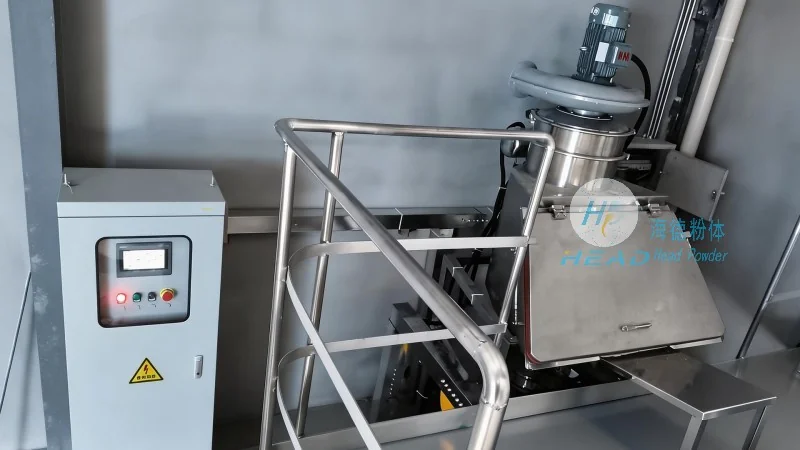
3. Hybrid Pneumatic Conveying Systems
Hybrid systems combine elements of both dilute and dense phase operations to provide flexibility in material handling. These systems can switch between phases based on operational requirements, allowing for efficient transport of gypsum calcium under varying conditions. HeadPowder's hybrid designs incorporate advanced control mechanisms to manage air flow and material feed, ensuring seamless transitions between different operational modes. This adaptability makes hybrid systems particularly effective for complex gypsum calcium processing environments.
4. Vacuum Pneumatic Conveying
Vacuum systems use negative pressure to draw material from a source and transport it through pipelines. This method is advantageous for applications where material needs to be moved from multiple points or over varying elevations. The vacuum design minimizes dust emissions and provides a clean handling environment, which is crucial for gypsum calcium processing. HeadPowder Engineering Co., Ltd. has developed specialized vacuum structures that maintain consistent suction pressure and material flow, ensuring reliable operation in diverse industrial settings.
Key Design Considerations for Gypsum Calcium Pneumatic Conveying
When designing pneumatic conveying structures for gypsum calcium, several factors must be considered to ensure optimal performance. These include material properties such as particle size, moisture content, and abrasiveness, as well as system requirements like distance, capacity, and environmental regulations. HeadPowder Engineering Co., Ltd. conducts thorough analyses of these factors to develop customized solutions that meet specific client needs. The company's engineers utilize advanced simulation tools to model system behavior and optimize structural parameters, ensuring that the final design is both efficient and cost-effective.
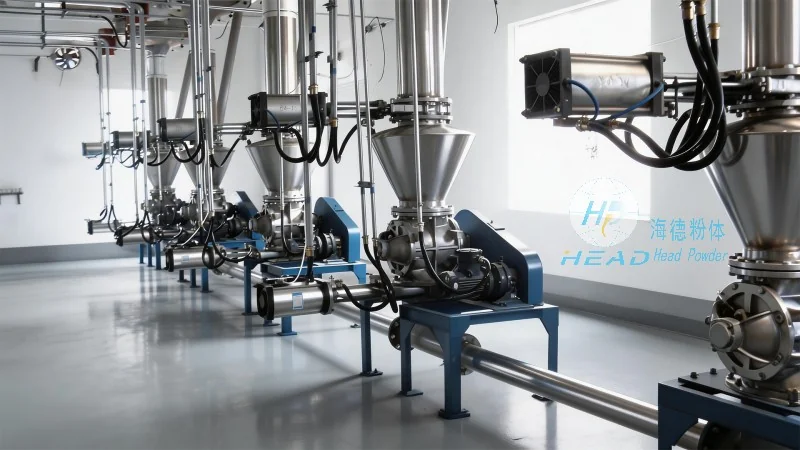
Benefits of Advanced Gypsum Calcium Pneumatic Conveying Structures
The adoption of specialized pneumatic conveying structures for gypsum calcium offers numerous benefits. These include improved material handling efficiency, reduced labor costs, and enhanced product quality. The systems also minimize material degradation and equipment wear, leading to lower maintenance requirements and longer service life. Additionally, HeadPowder's designs incorporate features such as dust control and environmental compliance, ensuring that operations meet regulatory standards. The company's commitment to innovation and customer satisfaction has made its pneumatic conveying solutions a preferred choice in the industry.
Conclusion
HeadPowder Engineering Co., Ltd., based in Shandong, China, provides comprehensive solutions for gypsum calcium pneumatic conveying systems. By offering a range of structural configurations, including dilute, dense, hybrid, and vacuum systems, the company addresses the diverse needs of industrial clients. The company's expertise in material handling and engineering ensures that each system is tailored to the unique requirements of the application, resulting in efficient, reliable, and cost-effective operations. For businesses seeking to enhance their gypsum calcium handling processes, HeadPowder Engineering Co., Ltd. offers advanced solutions that meet the highest standards of performance and quality.