

Main Oxidized Chromium Pneumatic Conveying Structures: What Are They?
When it comes to the efficient and reliable transport of oxidized chromium, understanding the core pneumatic conveying structures is essential for optimizing industrial processes. As a leading provider in the field, Shandong HeadPowder Engineering Co., Ltd. specializes in delivering advanced solutions tailored to meet diverse operational needs. This article explores the primary structures involved in oxidized chromium pneumatic conveying, providing insights into their functionality, advantages, and practical applications.
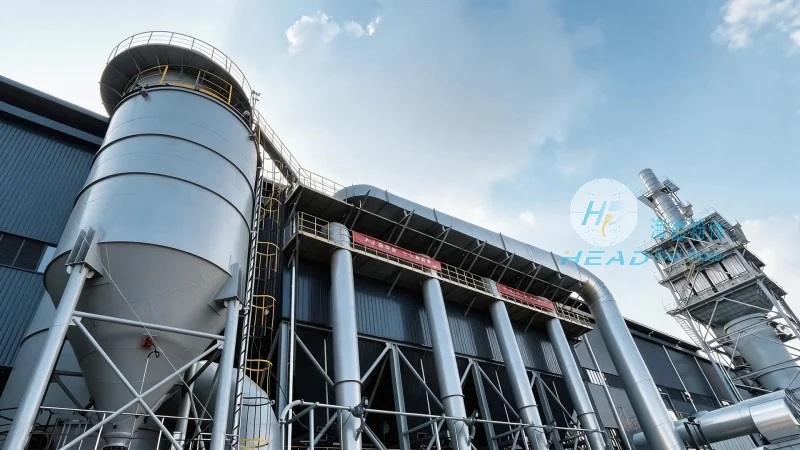
Understanding Oxidized Chromium Pneumatic Conveying Structures
Oxidized chromium, a critical material in various industrial applications, requires specialized handling to ensure safety and efficiency. Pneumatic conveying systems offer a non-contact method for transporting this material, reducing wear and contamination risks. The main structures involved in such systems typically include the following components, each playing a vital role in the overall conveying process.
Key Components of Oxidized Chromium Pneumatic Conveying Systems
The primary structures that form the backbone of oxidized chromium pneumatic conveying systems are designed to handle the material's properties, such as its density, particle size, and flow characteristics. These components work in tandem to ensure smooth and consistent transport. The main structures include:
1. Feed Hopper and Metering Device
The feed hopper and metering device are the initial components that introduce oxidized chromium into the conveying system. The hopper serves as a storage container, while the metering device regulates the flow rate, ensuring a consistent feed to the system. This structure is crucial for maintaining stable conveying conditions and preventing overloading or underloading of the system. The design of the hopper and metering device must account for the material's bulk density and flowability to avoid issues like bridging or segregation.
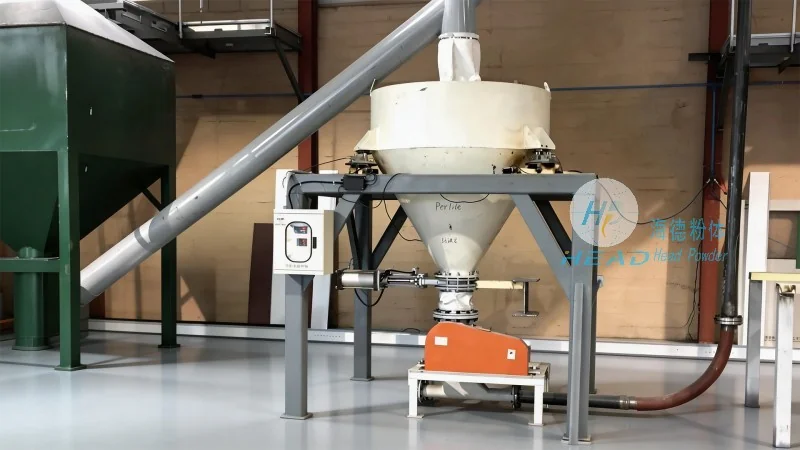
2. Air Supply and Blower Unit
The air supply and blower unit generates the necessary airflow to move oxidized chromium particles through the system. This component is typically a high-pressure blower or compressor that provides the force required to transport the material. The choice of blower depends on factors such as the material's particle size, conveying distance, and system pressure requirements. Efficient air supply is essential for maintaining the material's suspension and preventing clogging in the pipeline. The blower unit must also be equipped with appropriate safety features to handle the material's potential hazards.
3. Conveying Pipeline and Tubing
The conveying pipeline, often made of materials like stainless steel or plastic, forms the main pathway for oxidized chromium transport. The design of the pipeline, including its diameter, length, and bends, directly impacts the system's performance. Properly sized and routed pipelines minimize pressure drop and ensure smooth flow. The use of smooth, non-porous tubing is critical to prevent material buildup and maintain system efficiency. Additionally, the pipeline may incorporate features like vibration dampers or cleaning mechanisms to address potential blockages.
4. Collection Hopper and Discharge Valve
The collection hopper and discharge valve are the final components in the oxidized chromium pneumatic conveying system. The hopper collects the material after it has been transported through the pipeline, while the discharge valve controls the release of the material to the next processing stage. This structure ensures that the material is safely and efficiently transferred to its destination. The design of the collection hopper must accommodate the material's flow characteristics and prevent spillage or contamination. The discharge valve, such as a rotary valve or slide gate, regulates the flow rate and prevents backflow, maintaining system integrity.
5. Dust Collection and Filtration System
Due to the nature of oxidized chromium, a dust collection and filtration system is essential to manage airborne particles and ensure environmental compliance. This structure typically includes a cyclone separator or baghouse filter that captures fine particles before they are released into the atmosphere. The filtration system must be capable of handling the material's dust properties, such as particle size and moisture content, to maintain efficiency and longevity. Proper maintenance of the filtration system is crucial to prevent system downtime and ensure continuous operation.
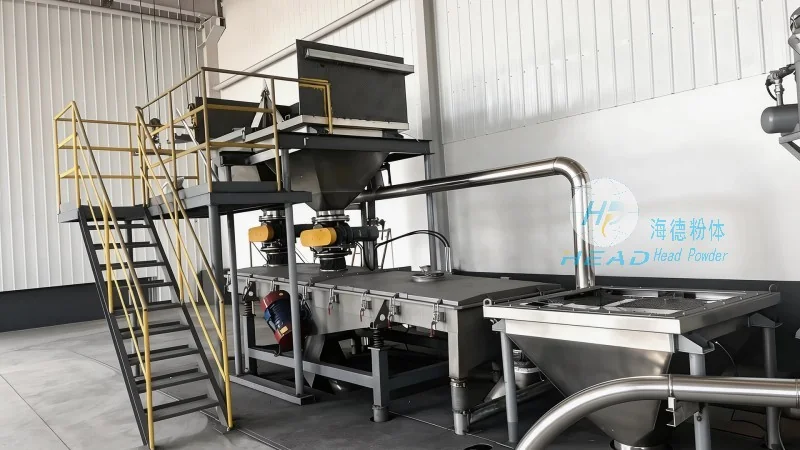
Advantages of Oxidized Chromium Pneumatic Conveying Structures
Implementing these pneumatic conveying structures offers several advantages for industrial operations. First, the non-contact transport method reduces wear and tear on equipment, extending the lifespan of components. Second, the system minimizes contamination risks, as the material is not in direct contact with other substances or surfaces. Third, pneumatic conveying allows for flexible and compact system designs, adapting to various plant layouts and space constraints. Additionally, the automated nature of these structures enhances operational efficiency and reduces the need for manual handling, improving safety and productivity.
Applications and Considerations
Oxidized chromium pneumatic conveying structures are widely used in industries such as metallurgy, ceramics, and chemical processing. The choice of structure depends on factors like the material's properties, conveying distance, and system requirements. For example, in metallurgical applications, the system may need to handle high-temperature or corrosive materials, requiring specialized components like heat-resistant tubing or corrosion-resistant materials. In ceramic production, the system may need to transport fine particles with high precision, necessitating precise control over flow rates and pressure. Proper system design and maintenance are critical to ensure optimal performance and minimize downtime.
Conclusion
Understanding the main oxidized chromium pneumatic conveying structures is vital for optimizing industrial processes and ensuring efficient material transport. Shandong HeadPowder Engineering Co., Ltd. provides comprehensive solutions that incorporate these structures, tailored to meet the specific needs of each client. By leveraging advanced technology and expertise, the company delivers reliable and efficient pneumatic conveying systems that enhance operational performance and safety. For more information on oxidized chromium pneumatic conveying structures and related solutions, contact Shandong HeadPowder Engineering Co., Ltd., a trusted name in the industry.