

Main Structures for Pneumatic Conveying of Metallurgical Coke
Metallurgical coke, a critical raw material in steel production, requires efficient and reliable transportation systems to ensure smooth industrial processes. Pneumatic conveying, a method that uses air or other gases to transport bulk materials, offers several structural configurations tailored to different operational needs. The main structures for pneumatic conveying of metallurgical coke typically include a series of interconnected components designed to handle the material from source to destination. These systems are engineered to maintain material integrity, minimize dust generation, and optimize energy consumption, making them essential in modern metallurgical plants.
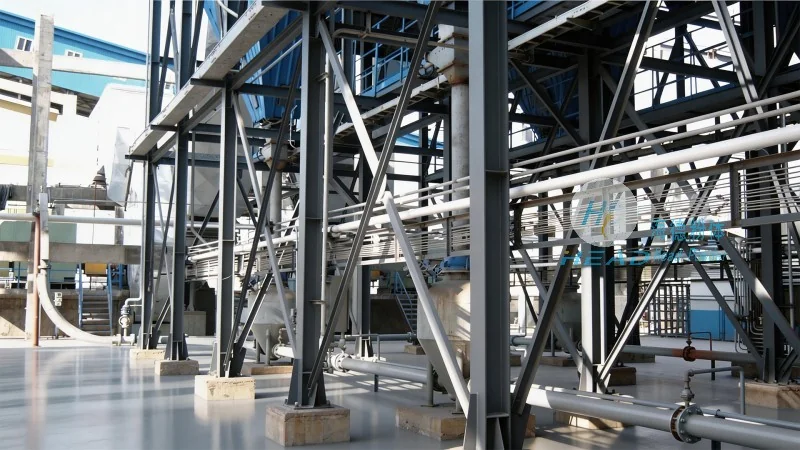
Pipeline System and Material Handling Components
The pipeline system forms the backbone of any pneumatic conveying structure. It consists of a network of pipes, valves, and fittings that guide the flow of metallurgical coke. The choice of pipe material, such as stainless steel or carbon steel, depends on the material's properties and the operating conditions. For metallurgical coke, which can be abrasive, high-quality steel with appropriate coatings is often used to prevent wear and corrosion. The pipeline design includes bends, elbows, and straight sections, each strategically placed to control the flow velocity and pressure. Additionally, the system incorporates check valves and flow control devices to regulate the material's movement and prevent backflow. The pipeline network is typically laid out to minimize the number of bends, as excessive curvature can lead to increased pressure drop and material degradation.
Feeding and Conditioning Equipment
Feeding equipment is responsible for introducing metallurgical coke into the pneumatic conveying system. This component ensures a consistent and controlled feed rate, which is crucial for maintaining system efficiency. Common feeding devices include rotary valves, screw feeders, and vibrating feeders. Rotary valves, often preferred for their ability to handle abrasive materials like metallurgical coke, provide a reliable seal and regulate the material flow. Screw feeders are used when a more precise control over the feed rate is required, while vibrating feeders are suitable for materials with high moisture content or sticky properties. Conditioning equipment, such as pre-screening or magnetic separators, may be integrated into the feeding system to remove impurities or foreign objects that could damage the conveying components. This step ensures that only clean, high-quality metallurgical coke enters the pipeline, reducing maintenance costs and extending the service life of the system.
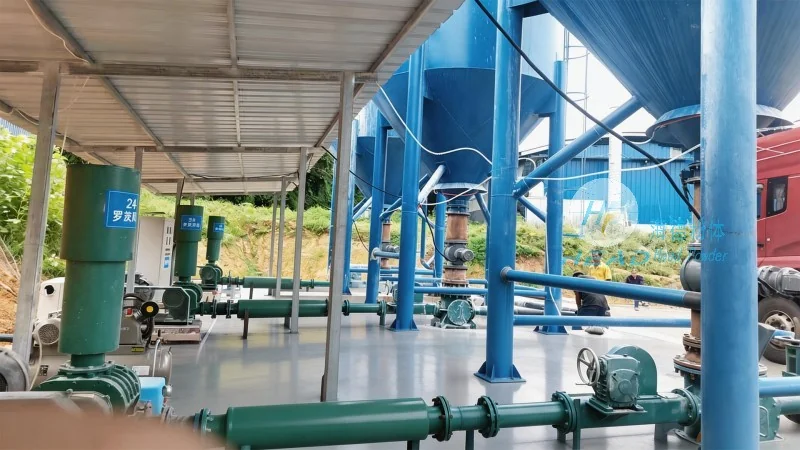
Pneumatic Conveying Devices and Air Supply
The core of the pneumatic conveying structure is the device that propels the material through the pipeline. This can be either a positive displacement blower or a centrifugal fan, depending on the system's requirements. Positive displacement blowers, such as rotary lobe or roots blowers, provide high pressure and are suitable for high-concentration conveying systems. Centrifugal fans, on the other hand, are more efficient for low-pressure, low-concentration applications. The air supply system includes air compressors, filters, and dryers to ensure that the air used for conveying is clean and dry. Air filters remove particulate matter and moisture, preventing clogging and corrosion in the pipeline and equipment. Dryers, often used in humid climates, reduce the moisture content of the air to prevent material clumping and equipment damage. The air supply is typically regulated to maintain a consistent pressure and flow rate, which is critical for stable material transport.
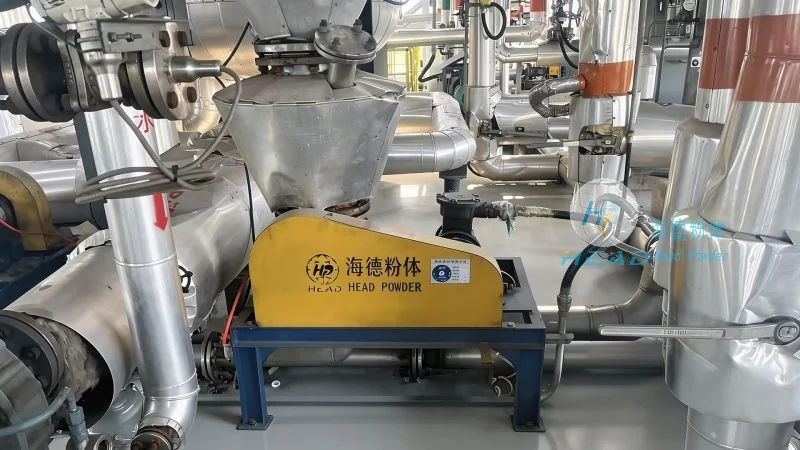
Dust Separation and Collection Systems
As metallurgical coke is conveyed pneumatically, it generates significant dust. To comply with environmental regulations and maintain a safe working environment, dust separation and collection systems are essential. These systems typically include cyclone separators, bag filters, or electrostatic precipitators. Cyclone separators use centrifugal force to separate dust from the air stream, capturing larger particles and returning them to the pipeline. Bag filters, which are more effective for fine dust, use fabric bags to trap particles, with the collected dust being periodically removed. Electrostatic precipitators, which use electric charges to attract and collect particles, are suitable for high-volume applications. The choice of dust collection system depends on the particle size distribution and the required efficiency. Proper maintenance of these systems is crucial to ensure optimal performance and compliance with environmental standards.
Control and Monitoring Systems
Modern pneumatic conveying structures are equipped with advanced control and monitoring systems to ensure safe and efficient operation. These systems include sensors, controllers, and programmable logic controllers (PLCs) that monitor key parameters such as pressure, flow rate, and temperature. Pressure sensors detect changes in pipeline pressure, while flow meters measure the material's velocity. Temperature sensors monitor the air and material temperatures to prevent overheating or freezing. The PLC system integrates all these sensors and controls the operation of the feeding equipment, air supply, and dust collection systems. It can also detect faults or abnormalities and trigger alarms or shutdown procedures to prevent equipment damage or material loss. The control system allows for remote monitoring and operation, enhancing the overall efficiency and safety of the pneumatic conveying process.