

Main Structures in Pneumatic Conveying Systems for Rubber Granules
HeadPowder, a leading manufacturer based in Shandong, China, specializes in the design and implementation of pneumatic conveying systems tailored for rubber granules. These systems are critical in various industrial applications, including tire recycling, rubber processing, and material handling. The efficiency and reliability of such systems depend heavily on the integration of several key structural components that ensure smooth material transport and operational stability.
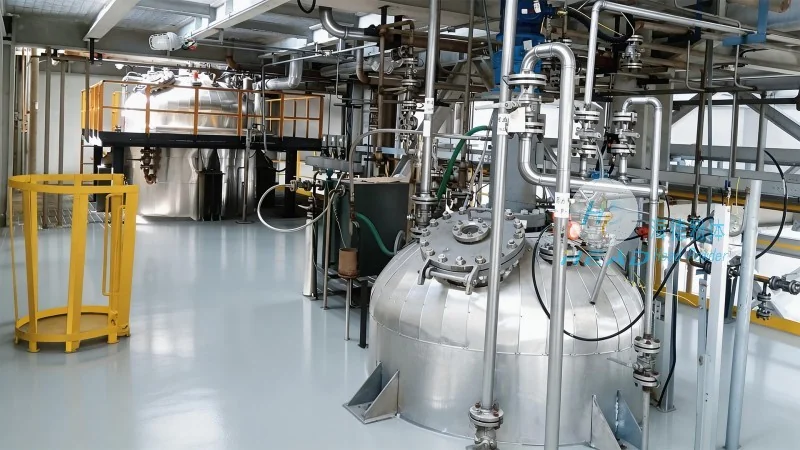
Core Structural Components of Pneumatic Conveying Systems
The pneumatic conveying system for rubber granules typically comprises several essential structures. The first critical component is the feed hopper, which is responsible for storing and feeding the rubber granules into the system. This hopper is designed with a hopper bottom or a rotary valve to control the flow rate, preventing blockages and ensuring a consistent supply of material. The feed hopper is often equipped with a material level indicator to monitor the granule inventory, which is vital for maintaining operational efficiency.
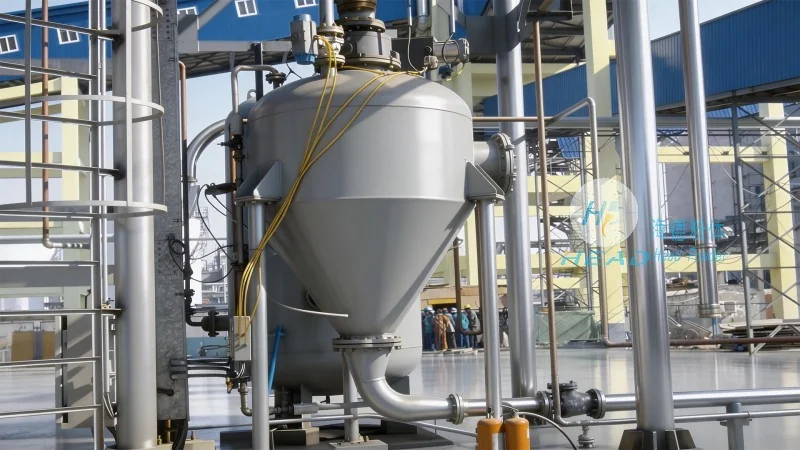
Pneumatic Conveying Pipelines and Airflow Management
The conveying pipelines form the backbone of the system, transporting rubber granules through the air stream. These pipelines are usually made of stainless steel or other corrosion-resistant materials to withstand the abrasive nature of rubber granules. The design of the pipelines, including the use of bends, elbows, and straight sections, is crucial for maintaining the air velocity and preventing material deposition. Airflow management systems, such as blowers or compressors, are integrated to generate the necessary pressure and velocity to move the granules through the pipeline. The blower or compressor is selected based on the system's capacity and the specific characteristics of the rubber granules, ensuring optimal performance.
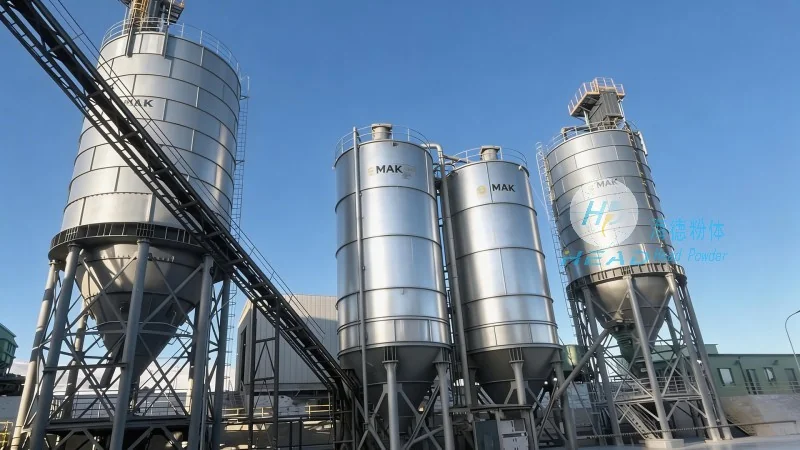
Separation and Discharge Structures
At the receiving end of the system, the separator or discharge unit is responsible for separating the rubber granules from the air stream and directing them to the final destination. This component typically includes a cyclone separator or a baghouse filter, depending on the system's requirements. The separator uses centrifugal force to separate the granules from the air, while the filter captures any fine particles to maintain air quality. The discharge unit may include a rotary valve or a gate valve to control the release of the granules, ensuring a controlled and efficient discharge process.
Control and Monitoring Systems
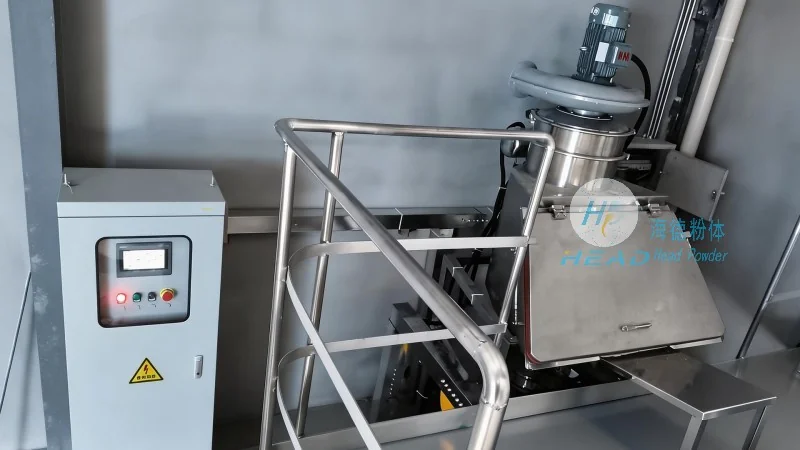
Modern pneumatic conveying systems for rubber granules are equipped with advanced control and monitoring structures. These systems include sensors and control panels that monitor parameters such as pressure, flow rate, and material level. The control panel allows operators to adjust the system settings in real-time, optimizing performance and preventing potential issues. Additionally, the system may include alarms and safety features to alert operators of any abnormalities, ensuring safe and reliable operation. The integration of these control structures enhances the overall efficiency and reliability of the pneumatic conveying system.
Conclusion
HeadPowder's expertise in designing and manufacturing pneumatic conveying systems for rubber granules ensures that these systems are equipped with the necessary structural components to meet the demands of industrial applications. By integrating feed hoppers, conveying pipelines, separators, and control systems, the company provides reliable and efficient solutions for rubber granule transport. With a strong presence in Shandong, China, HeadPowder continues to deliver high-quality pneumatic conveying systems that enhance operational efficiency and productivity in various industries.