

[MATILDE]Main Air-Driven Transport Structures for Lithium Hydroxide
When discussing the efficient and safe handling of lithium hydroxide, understanding the primary air-driven transport structures becomes crucial. These systems are designed to facilitate the movement of this critical chemical, often used in battery production and other industrial applications. The following sections outline the main air-driven transport structures utilized in the industry, providing insights into their design, functionality, and application.
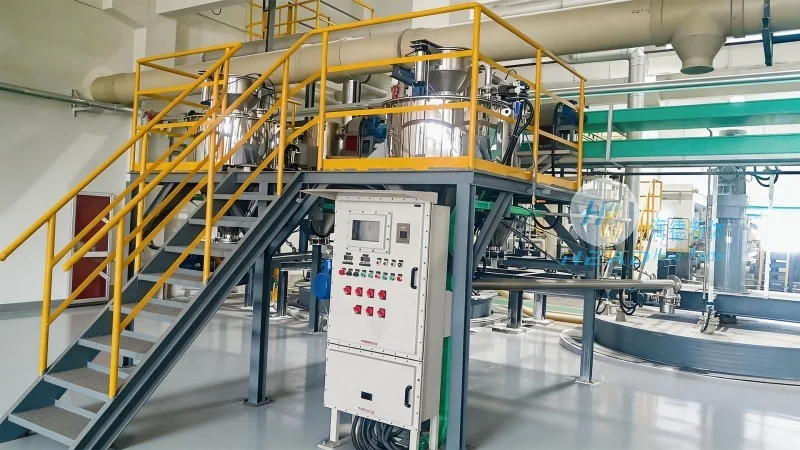
Overview of Air-Driven Transport Systems
At the core of lithium hydroxide transport are air-driven systems, which leverage pneumatic principles to move material through pipelines or ducts. These systems are preferred for their ability to handle fine powders like lithium hydroxide, offering advantages such as reduced contamination, lower energy consumption compared to mechanical conveyors, and enhanced safety features. The primary structures within this category include pressure and vacuum systems, each tailored to specific operational needs and material characteristics.
Pressure Air-Driven Transport Structures
Pressure air-driven transport structures operate by introducing compressed air into a sealed system, creating a positive pressure that propels the material forward. This method is particularly effective for transporting lithium hydroxide in bulk, as it can handle high volumes with minimal maintenance. The system typically consists of a blower or compressor, a hopper for material storage, and a series of pipes or ducts that guide the material to its destination. The design often includes features like cyclone separators and filters to ensure the material remains dry and free from contaminants, which is vital for maintaining product quality in lithium hydroxide applications.
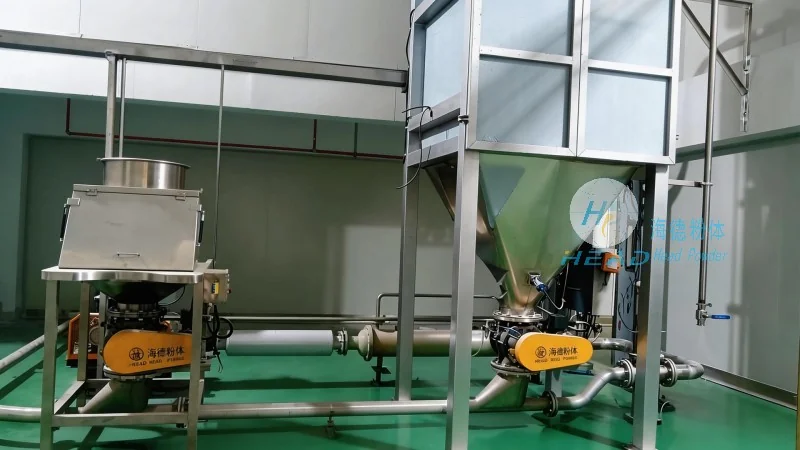
Vacuum Air-Driven Transport Structures
Vacuum air-driven transport structures, on the other hand, rely on a vacuum created by a fan or ejector to draw material from a source and transport it to a collection point. This approach is beneficial when the material needs to be moved over longer distances or when the source is at a higher elevation than the destination. The vacuum system is typically more flexible in terms of layout, as it can accommodate changes in direction and elevation without the need for additional mechanical components. However, it may require more energy to maintain the vacuum and can be less efficient for very fine powders, which might lead to higher dust emissions if not properly managed.
Key Components and Design Considerations
Both pressure and vacuum air-driven transport structures share several critical components that ensure their effectiveness. These include material feeders, which control the flow rate of lithium hydroxide into the system, and air locks or rotary valves that prevent backflow and maintain a consistent pressure or vacuum level. The choice of components is influenced by factors such as the particle size distribution of the lithium hydroxide, the required transport capacity, and the distance between the source and destination. For instance, rotary airlocks are commonly used due to their ability to handle fine powders without clogging, while pneumatic conveying lines are often made of stainless steel to resist corrosion from the chemical.
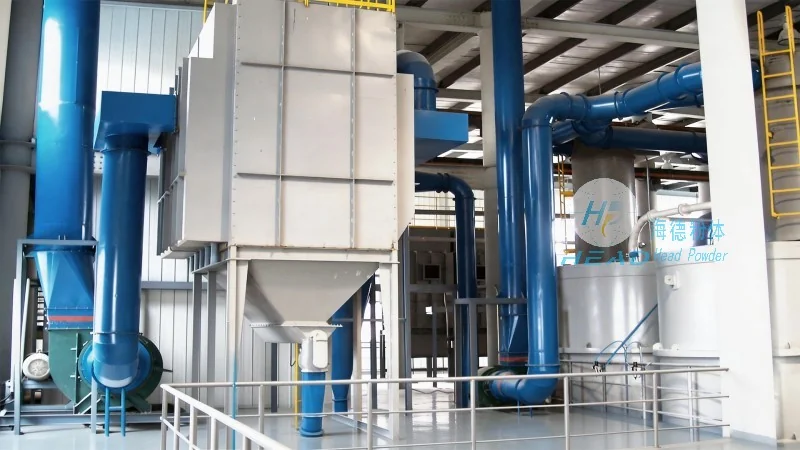
Application in Lithium Hydroxide Handling
The air-driven transport structures are integral to the processing of lithium hydroxide, particularly in battery manufacturing and chemical production facilities. In these settings, the material is often moved from storage silos to processing units, or from reactors to packaging areas. The efficiency of these systems directly impacts production throughput and overall operational costs. For example, a well-designed pressure system can reduce downtime by minimizing the need for manual handling and improving material flow consistency. Additionally, the use of air-driven transport helps in maintaining a controlled environment, which is essential for preventing moisture absorption or degradation of lithium hydroxide, a property that can affect its performance in battery applications.
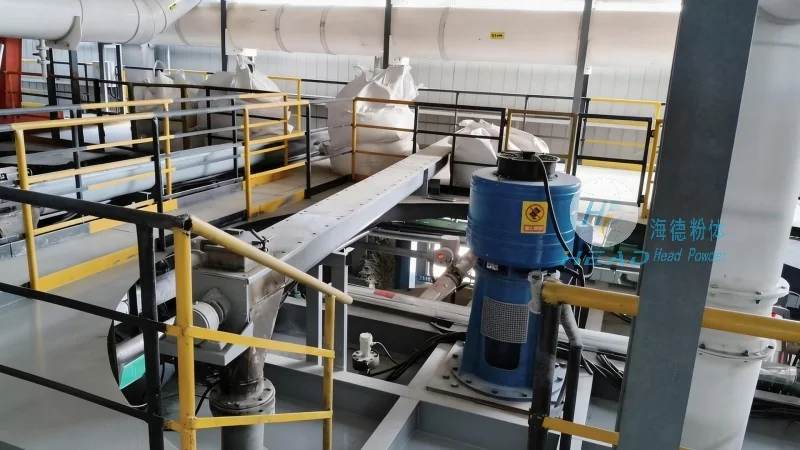
Maintenance and Operational Best Practices
Proper maintenance is essential to ensure the longevity and reliability of air-driven transport structures for lithium hydroxide. Regular checks of air pressure, filter cleanliness, and component wear are critical to prevent system failures. The use of high-quality materials, such as stainless steel for pipes and blower components, helps in resisting corrosion and extending the lifespan of the equipment. Furthermore, implementing preventive maintenance schedules, such as routine cleaning of cyclones and filters, can reduce the risk of material buildup and blockages. Operational best practices also include monitoring the flow rate and pressure within the system to detect any deviations that may indicate a problem, ensuring that the transport process remains efficient and safe.
Conclusion
In summary, the main air-driven transport structures for lithium hydroxide include pressure and vacuum systems, each with distinct advantages and applications. These systems are designed to handle the unique properties of lithium hydroxide, such as its fine particle size and chemical reactivity, while ensuring safe and efficient transport. By understanding the components and operational principles of these structures, industries can optimize their material handling processes, reduce costs, and enhance product quality. The continued development and refinement of air-driven transport technologies will likely play a significant role in supporting the growing demand for lithium hydroxide in the battery and chemical sectors.