

Technical Analysis of Potato Pneumatic Conveying Systems: Comparison of Positive Pressure and Negati
For agricultural and industrial applications, efficient and reliable material handling is crucial. Among various methods, pneumatic conveying systems have emerged as a versatile solution for transporting bulk materials like potatoes. This technical analysis focuses on the two primary modes of pneumatic conveying—positive pressure and negative pressure systems—exploring their mechanisms, advantages, and applications. The comparison aims to provide insights into selecting the most suitable system for potato handling operations.
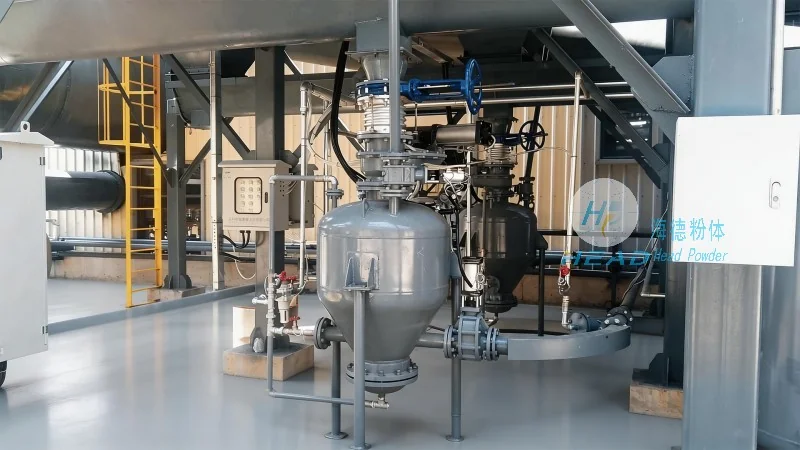
Understanding Positive Pressure Pneumatic Conveying
Positive pressure pneumatic conveying systems operate by generating air pressure within the conveying line, typically using a positive displacement blower or a centrifugal fan. In this mode, air is forced through the pipeline, carrying the potato particles along with it. The system maintains a higher pressure than the ambient environment, ensuring continuous and unidirectional flow of material. A key advantage of positive pressure systems is their ability to handle abrasive or sticky materials, as the high-pressure air can effectively break up agglomerates and maintain material suspension. Additionally, these systems are generally more suitable for long-distance conveying due to the consistent pressure maintained throughout the pipeline. However, they may require more robust equipment and higher energy consumption compared to negative pressure systems.
Exploring Negative Pressure Pneumatic Conveying
Negative pressure pneumatic conveying, also known as suction or vacuum conveying, works by creating a vacuum in the conveying line. This is achieved through a fan or blower that draws air and material particles into the system. The system operates at a pressure lower than the ambient environment, pulling the material from the source into the pipeline. Negative pressure systems are particularly effective for handling fine or dusty materials, as the vacuum ensures thorough material capture. They are also more energy-efficient for short to medium-distance conveying, as the vacuum can be maintained with less power compared to maintaining high pressure in positive pressure systems. However, negative pressure systems may face challenges with abrasive or large particles, as the vacuum can sometimes lead to material blockages or reduced conveying efficiency.
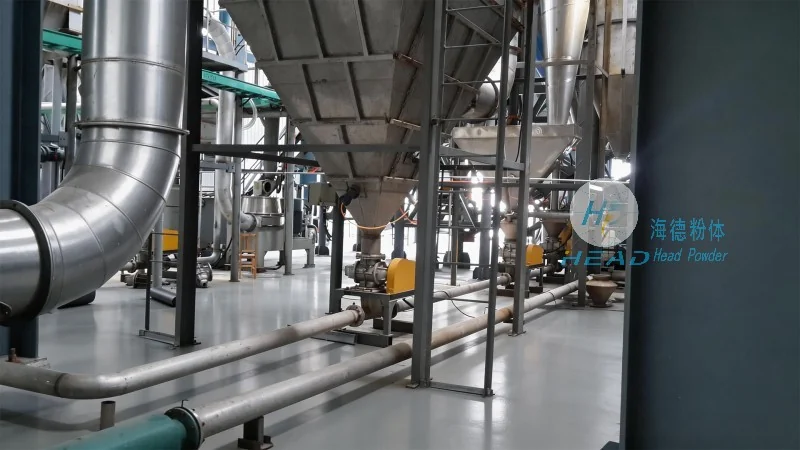
Comparison of Positive Pressure vs. Negative Pressure Systems
When selecting a pneumatic conveying system for potato handling, several factors must be considered, including material characteristics, conveying distance, and operational requirements. Positive pressure systems excel in scenarios requiring high conveying rates and long distances, making them ideal for large-scale potato processing facilities. They offer better control over material flow and can handle a wider range of particle sizes and densities. On the other hand, negative pressure systems are more suitable for applications involving fine or dusty potatoes, where dust control and material containment are critical. They are also preferred for shorter conveying distances and when energy efficiency is a priority.
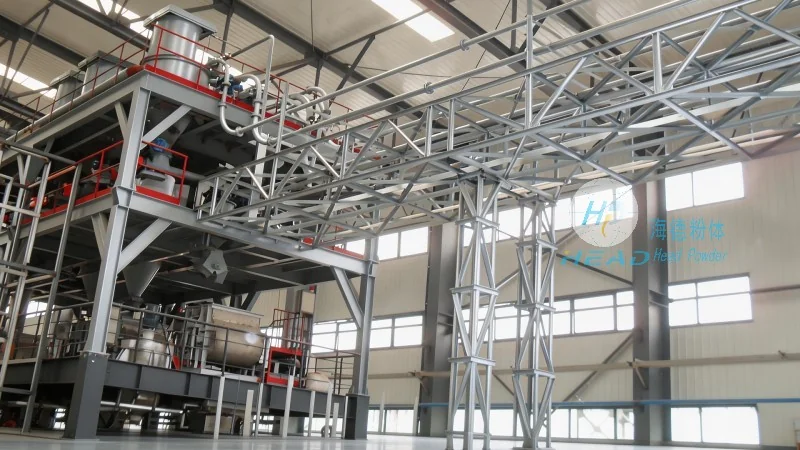
Key Considerations for Potato Handling
For potato pneumatic conveying, the choice between positive and negative pressure systems depends on specific operational needs. Factors such as the moisture content of potatoes, the presence of dirt or debris, and the desired conveying speed all influence the system selection. Positive pressure systems are generally more effective in preventing material degradation due to their ability to maintain consistent air flow and temperature, which is vital for preserving potato quality. Negative pressure systems, while efficient for dust control, may require additional filtration to prevent air contamination and ensure compliance with environmental regulations.
Company Profile: Shandong HeadPowder Engineering Co., Ltd.
Shandong HeadPowder Engineering Co., Ltd., a leading manufacturer in the field of pneumatic conveying systems, specializes in designing and supplying customized solutions for agricultural and industrial applications. With a focus on innovation and quality, the company has developed advanced technologies to enhance the efficiency and reliability of potato handling operations. HeadPowder's expertise lies in understanding the unique challenges of potato processing, such as material variability and the need for hygienic handling. The company's products are engineered to meet international standards, ensuring durability and performance in demanding environments. Based in Shandong, China, HeadPowder serves clients globally, providing tailored solutions that optimize material flow and reduce operational costs.