

How to Choose the Right Pneumatic Conveying System for Your Lithium-Ion Battery Positive Electrode Production Process?
When it comes to optimizing the production process for lithium-ion battery positive electrodes, selecting the appropriate pneumatic conveying system is a critical decision that impacts efficiency, material integrity, and overall operational costs. The right system ensures that raw materials are transported safely and effectively from storage to processing equipment, maintaining the quality and consistency required for high-performance batteries. This article will guide you through the key considerations and factors to evaluate when choosing a pneumatic conveying solution tailored to your battery positive electrode manufacturing needs.
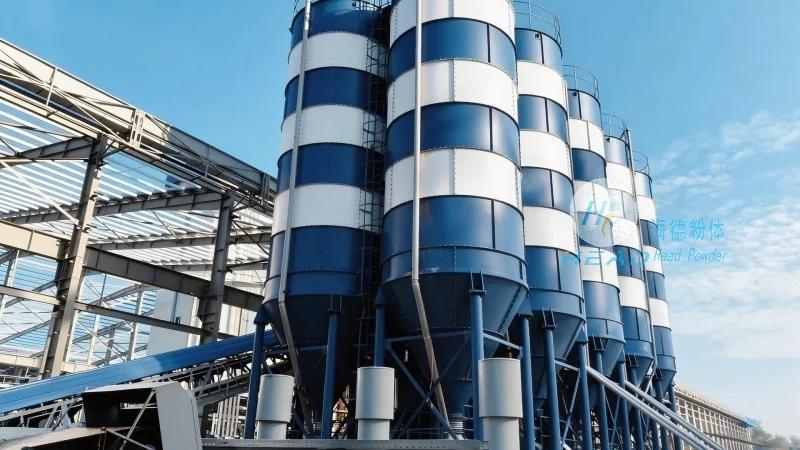
Understanding the Importance of Pneumatic Conveying in Battery Production
In the lithium-ion battery manufacturing industry, the positive electrode (cathode) is a key component that directly influences the battery's energy density and performance. The production of these electrodes involves handling fine powders, such as lithium cobalt oxide (LCO), lithium nickel manganese cobalt oxide (NMC), and other active materials. These powders are sensitive to moisture, contamination, and agglomeration, making the choice of a conveying system vital. A well-designed pneumatic conveying system can prevent material degradation, reduce downtime, and enhance the overall productivity of the production line.
Key Factors to Consider When Selecting a Pneumatic Conveying System
Several factors must be considered when evaluating pneumatic conveying systems for lithium-ion battery positive electrode applications. First, the material properties of the powders being conveyed are paramount. Different materials have varying densities, flowability, and moisture content, which affect the system's design. For example, some materials may require a high-pressure system to maintain flow, while others can be handled with low-pressure or vacuum systems. Additionally, the scale of production and the required throughput will determine the capacity and type of the conveying system. A system that can handle large volumes efficiently without compromising material quality is essential for high-volume battery manufacturers.
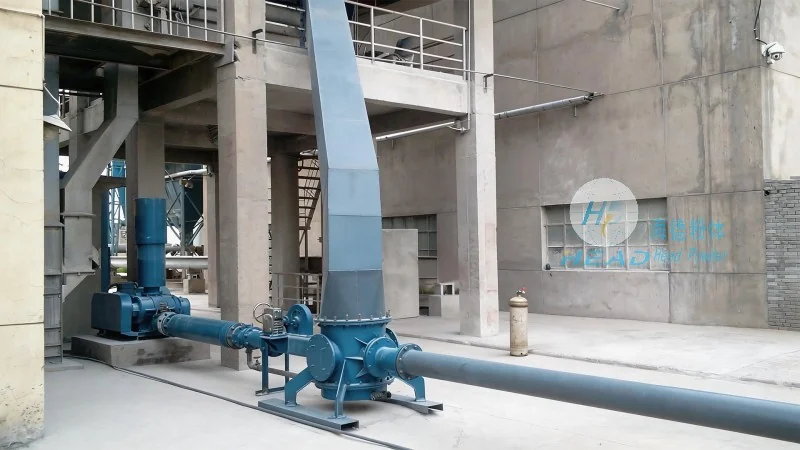
Types of Pneumatic Conveying Systems for Battery Positive Electrode Production
There are primarily two types of pneumatic conveying systems: pressure and vacuum. Pressure systems use compressed air to push material through a pipeline, while vacuum systems use a vacuum to pull material. For battery positive electrode powders, pressure systems are often preferred due to their ability to handle fine, cohesive materials and maintain consistent flow rates. However, vacuum systems are suitable for applications where material recovery or gentle handling is required. The choice between these systems depends on the specific production requirements, such as the need for material recovery, the distance of transport, and the environmental considerations of the facility.
Design and Components of an Effective Pneumatic Conveying System
An effective pneumatic conveying system for lithium-ion battery positive electrodes consists of several key components. These include a hopper or feeder to store and feed the material, a conveying line (usually made of stainless steel to prevent contamination), a compressor or vacuum pump to generate the necessary pressure or vacuum, and control valves to regulate the flow. The system may also include filters to remove dust and moisture from the air, ensuring that the material remains clean and free from contaminants. Additionally, the system should be equipped with safety features, such as pressure relief valves and emergency shut-off mechanisms, to prevent accidents and protect personnel.
HeadPowder's Expertise in Pneumatic Conveying Solutions
Shandong HeadPowder Engineering Co., Ltd., a leading provider of material handling solutions, specializes in designing and manufacturing pneumatic conveying systems tailored to the unique needs of lithium-ion battery manufacturers. With years of experience in the industry, HeadPowder understands the challenges of handling fine powders and has developed advanced systems that ensure material integrity and operational efficiency. The company's team of engineers works closely with clients to assess their production requirements, material characteristics, and operational constraints to provide customized solutions that meet their specific needs.
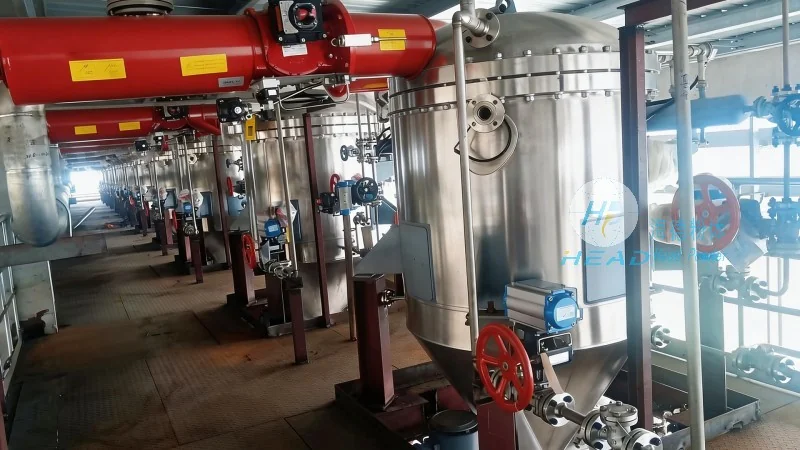
Customization and Integration for Optimal Performance
HeadPowder offers customized pneumatic conveying systems that can be integrated seamlessly into existing battery production lines. The company's solutions are designed to accommodate various material types, production volumes, and transport distances, ensuring that the system operates at peak efficiency. Additionally, HeadPowder provides comprehensive support, including installation, commissioning, and maintenance services, to ensure that the system performs reliably over its lifespan. By choosing a customized system from HeadPowder, battery manufacturers can enhance their production efficiency, reduce material waste, and improve the overall quality of their products.
Conclusion: Making the Right Choice for Your Battery Production
Selecting the right pneumatic conveying system for lithium-ion battery positive electrode production is a critical step in optimizing the manufacturing process. By considering factors such as material properties, production scale, and system type, manufacturers can choose a solution that enhances efficiency, maintains material quality, and reduces operational costs. With the expertise and experience of companies like Shandong HeadPowder Engineering Co., Ltd., battery manufacturers can access high-quality, customized solutions that meet their specific needs and contribute to the success of their production operations.