

How to Choose the Right Pneumatic Conveying System for Your Chlorinated Polyethylene (CPE) Handling Process?
When it comes to handling chlorinated polyethylene (CPE), selecting the appropriate pneumatic conveying system is crucial for maintaining efficiency, safety, and operational reliability in your production line. CPE, a versatile polymer used in various industries, presents unique challenges during material transport due to its physical and chemical properties. Traditional methods like manual handling or mechanical conveyors may not fully address the demands of modern CPE processing, leading to potential inefficiencies and increased operational costs. This article aims to guide you through the key considerations and steps to ensure you select the most suitable pneumatic conveying system for your CPE handling process, with insights from industry experts at Shandong HeadPowder Engineering Co., Ltd., a leading provider of specialized material handling solutions based in China.
Understanding the Unique Requirements of Chlorinated Polyethylene
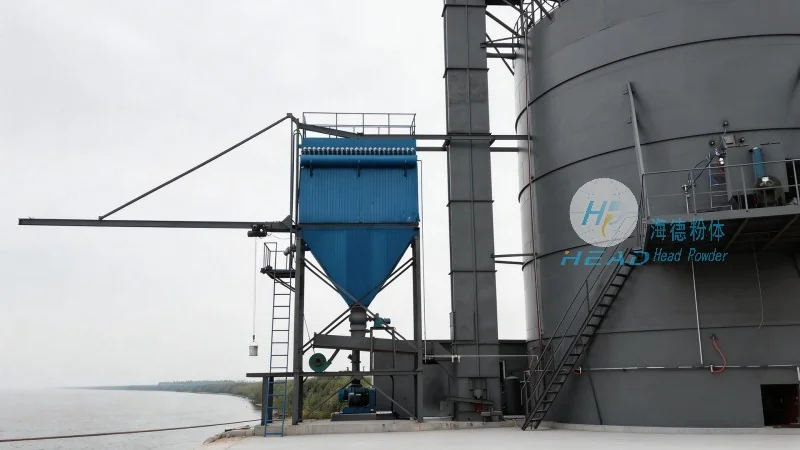
Chlorinated polyethylene (CPE) is a thermoplastic polymer known for its excellent weather resistance, chemical stability, and flexibility. These properties make CPE a preferred material in applications such as rubber compounding, plastic products, and protective coatings. However, the material's characteristics—such as its density, moisture sensitivity, and tendency to agglomerate—require careful consideration when designing a material transport system. Unlike some other polymers, CPE can be prone to static buildup and may need specialized handling to prevent material degradation or equipment damage. Therefore, the choice of a pneumatic conveying system must account for these factors to ensure optimal performance and longevity of the equipment.
Key Factors to Consider When Selecting a Pneumatic Conveying System for CPE
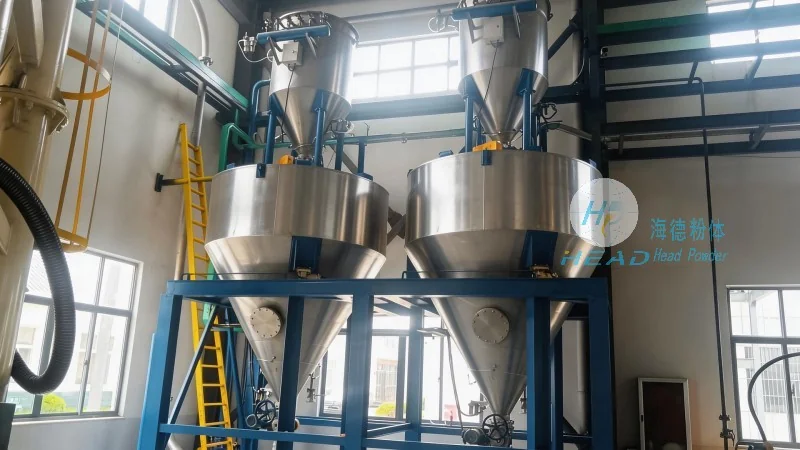
Choosing the right pneumatic conveying system for CPE involves evaluating several critical factors that directly impact the system's effectiveness and cost-efficiency. The first consideration is the material's flowability and particle size distribution. CPE particles can vary in size, and their tendency to form clumps may affect the system's ability to maintain consistent air flow and material transport. A system designed to handle cohesive or sticky materials, such as certain grades of CPE, may require features like vibratory feeders or air knives to break up agglomerates and ensure smooth conveying. Additionally, the system's pressure and air velocity must be optimized to prevent material degradation or equipment wear. For example, high-pressure systems may be suitable for long-distance transport, while low-pressure systems might be better for short distances or sensitive materials. The choice of system also depends on the required throughput and the distance between the source and destination of the material. A system with adjustable air flow and pressure control can adapt to varying production demands, making it a flexible solution for CPE handling.

HeadPowder's Expert Solutions for CPE Pneumatic Conveying
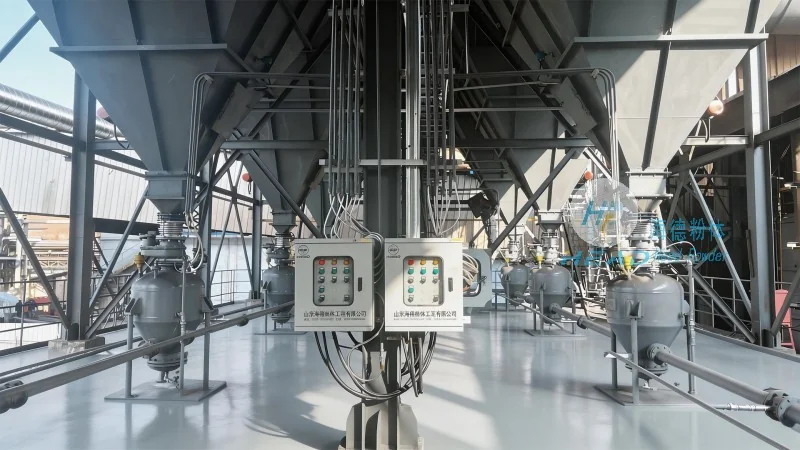
Shandong HeadPowder Engineering Co., Ltd., with its headquarters in Shandong, China, specializes in providing tailored pneumatic conveying solutions for a wide range of industrial materials, including chlorinated polyethylene. The company's expertise lies in understanding the unique challenges of CPE and designing systems that address these challenges effectively. HeadPowder offers a variety of pneumatic conveying systems, including positive pressure, negative pressure, and hybrid systems, each designed to meet specific operational requirements. For CPE handling, the company often recommends positive pressure systems, which use compressed air to push material through the pipeline, as they provide better control over material flow and can handle cohesive materials more efficiently. The systems are equipped with advanced features such as air filtration, moisture control, and material separation devices to ensure the purity and quality of the CPE during transport. HeadPowder's engineers work closely with clients to assess their specific needs, including production volume, material characteristics, and facility layout, to design a customized system that maximizes efficiency and minimizes downtime. The company also provides comprehensive support, including installation, maintenance, and technical training, to ensure clients can operate the system effectively and maintain its performance over time.
Benefits of Choosing the Right Pneumatic Conveying System for CPE
Implementing the right pneumatic conveying system for CPE handling offers numerous benefits that can significantly improve operational performance and reduce costs. One of the primary advantages is the reduction in material handling time and labor costs. Pneumatic systems can transport CPE quickly and efficiently over long distances, eliminating the need for manual handling or mechanical conveyors that may be slower and more labor-intensive. This leads to increased production throughput and improved productivity. Additionally, pneumatic conveying systems can reduce material degradation and contamination, which is critical for maintaining the quality of CPE products. By minimizing material contact with equipment and reducing the risk of static buildup, the system helps preserve the polymer's properties and ensures consistent product quality. Another benefit is the improved safety and reliability of the operation. Pneumatic systems are enclosed, reducing the risk of dust exposure and providing a safer working environment. They also offer better control over material flow, preventing blockages and system failures that can disrupt production. Furthermore, the right system can lower maintenance costs by using durable components and providing easy access for maintenance and cleaning. Overall, selecting a well-designed pneumatic conveying system for CPE handling can enhance operational efficiency, product quality, and safety, making it a valuable investment for any CPE processing facility.
Conclusion: Making an Informed Decision for Your CPE Handling Process
Choosing the right pneumatic conveying system for your chlorinated polyethylene handling process is a critical decision that can impact your production efficiency, product quality, and operational costs. By understanding the unique properties of CPE and considering factors such as material flowability, system pressure, and operational requirements, you can select a system that meets your specific needs. Working with a reputable provider like Shandong HeadPowder Engineering Co., Ltd., which offers tailored solutions and expert support, can help ensure that you choose the most suitable pneumatic conveying system for your facility. Whether you are processing CPE for rubber compounding, plastic products, or protective coatings, a well-designed pneumatic conveying system can enhance your operational performance and contribute to the success of your production line. By investing in the right system, you can achieve higher throughput, better product quality, and improved safety, ultimately leading to increased profitability and competitiveness in the market.