

How to Choose the Right Pneumatic Conveying System for Your Calcium Carbonate Powder Handling Process?
When it comes to handling calcium carbonate powder in industrial processes, selecting the appropriate pneumatic conveying system is crucial for efficiency, safety, and cost-effectiveness. Calcium carbonate, commonly used in applications ranging from construction materials to food additives and plastics, presents unique challenges due to its fine particle size and dust generation potential. A well-designed pneumatic conveying system can ensure smooth material transport while minimizing operational risks and environmental impact. This guide outlines key considerations and factors to help you choose the most suitable system for your specific calcium carbonate powder handling requirements.
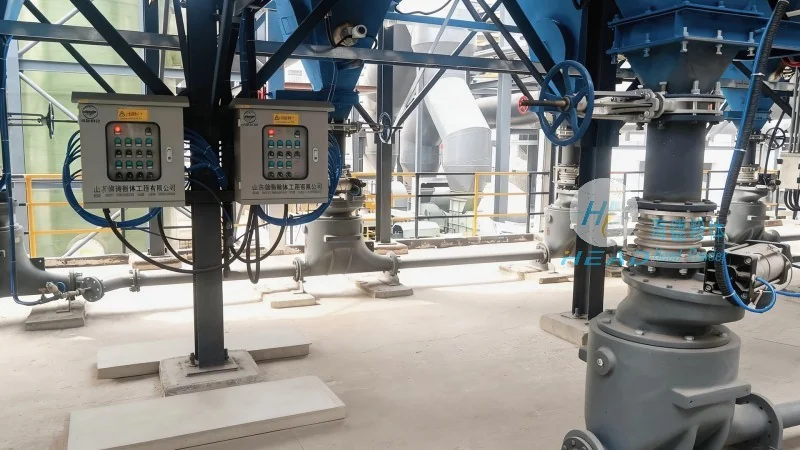
Understanding the Importance of Pneumatic Conveying for Calcium Carbonate Powder
Calcium carbonate powder, with its fine and often abrasive particles, requires specialized equipment to ensure reliable and efficient transport. Traditional methods like bucket elevators or belt conveyors may not be suitable due to the risk of material degradation, dust accumulation, and system blockages. Pneumatic conveying systems offer a solution by using air pressure to move materials through a sealed pipeline, reducing exposure to contaminants and maintaining product integrity. For calcium carbonate powder, which is sensitive to moisture and temperature changes, a system that provides consistent flow and minimal pressure drops is essential. The choice of system depends on factors such as material characteristics, processing volume, and the distance the powder needs to travel.
Key Factors to Consider When Choosing a Pneumatic Conveying System
Several critical factors must be evaluated when selecting a pneumatic conveying system for calcium carbonate powder. First, the particle size and density of the material play a significant role. Fine powders like calcium carbonate may require high-velocity systems to prevent settling or clogging. Second, the required conveying distance and elevation changes affect the system's design, including the type of air mover (blower or compressor) and the pipeline layout. Third, the desired flow rate and system capacity must align with production needs to avoid bottlenecks or underutilization. Additionally, the need for dust control and environmental compliance is paramount, as calcium carbonate dust can pose health risks and regulatory issues. Finally, the overall cost of installation, operation, and maintenance should be considered to ensure long-term economic viability.
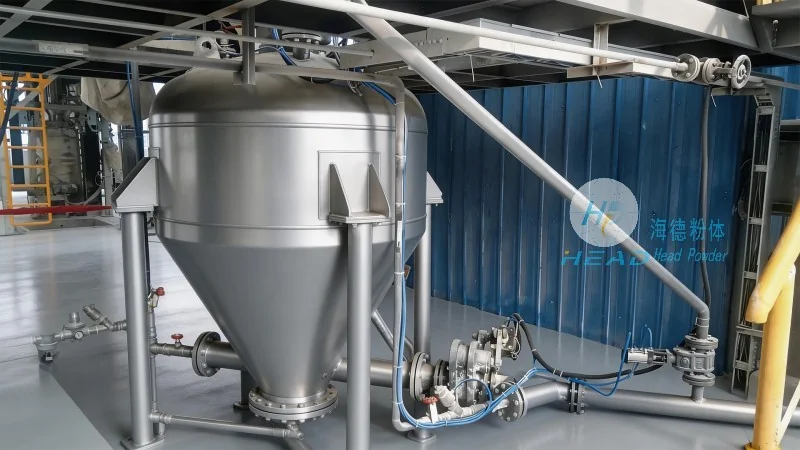
Types of Pneumatic Conveying Systems for Calcium Carbonate Powder
There are primarily two types of pneumatic conveying systems used for calcium carbonate powder: positive pressure and negative pressure systems. Positive pressure systems use a blower to force air and material through the pipeline, typically operating at higher pressures and velocities. These systems are suitable for longer distances and higher flow rates, making them ideal for large-scale production facilities. Negative pressure systems, on the other hand, use a vacuum to draw material into the pipeline, often used for shorter distances or when handling materials that are sensitive to high pressure. For calcium carbonate powder, positive pressure systems are generally preferred due to their ability to handle fine particles and maintain consistent flow. However, the choice between the two depends on the specific application and operational constraints.
HeadPowder's Expertise in Pneumatic Conveying Solutions
Shandong HeadPowder Engineering Co., Ltd., a leading provider of industrial conveying solutions, specializes in designing and manufacturing customized pneumatic conveying systems tailored to the unique needs of calcium carbonate powder handling. HeadPowder is headquartered in Shandong, China, and has years of experience in the industry. With a team of skilled engineers and technicians, HeadPowder understands the challenges associated with transporting fine powders and offers innovative solutions to address them. The company's team works closely with clients to assess their specific requirements, including material characteristics, processing volumes, and operational environment, to develop a system that maximizes efficiency and minimizes downtime. HeadPowder's systems are designed with durability and reliability in mind, using high-quality components and materials that can withstand the abrasive nature of calcium carbonate powder. The company also provides comprehensive support, including installation, maintenance, and technical assistance, to ensure clients achieve optimal performance and longevity from their conveying systems.
Customization and Integration for Optimal Performance
At HeadPowder, we recognize that every calcium carbonate powder handling application is unique. Therefore, we offer customized pneumatic conveying systems that can be tailored to meet specific operational demands. Our engineers work with clients to design systems that integrate seamlessly with existing equipment and processes, ensuring smooth transitions and minimal disruption to production. Customization may include adjustments to pipeline diameter, air velocity, and material feed mechanisms to optimize flow and reduce pressure losses. Additionally, we can incorporate features such as dust collection and filtration systems to enhance safety and environmental compliance. By focusing on customization and integration, HeadPowder ensures that each system is optimized for the specific calcium carbonate powder being handled, resulting in improved efficiency and reduced operational costs.
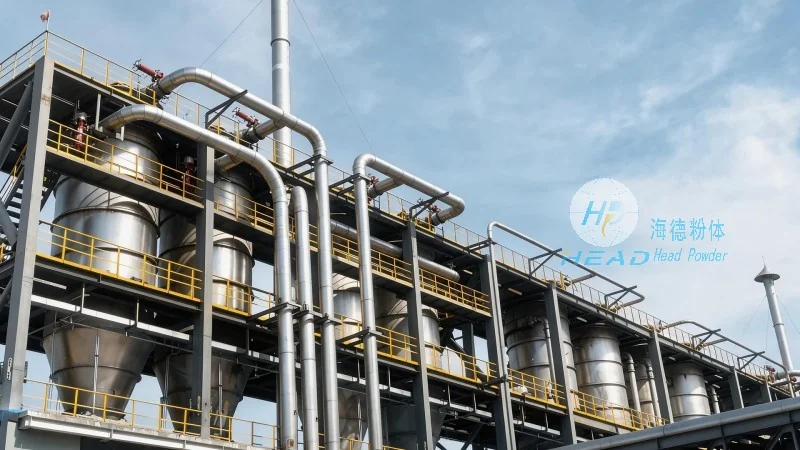
Ensuring Reliability and Longevity in Pneumatic Conveying Systems
Reliability is a top priority when it comes to pneumatic conveying systems for calcium carbonate powder. HeadPowder's systems are built with high-quality components that are resistant to wear and corrosion, ensuring long-term performance. Regular maintenance and monitoring are essential to prevent system failures and maintain optimal efficiency. The company provides maintenance services and spare parts to support clients in keeping their systems in top condition. By investing in a reliable system from HeadPowder, clients can minimize downtime, reduce maintenance costs, and ensure consistent production output. The durability of our systems is a testament to our commitment to quality and customer satisfaction.
Conclusion: Choosing the Right Pneumatic Conveying System for Calcium Carbonate Powder
Selecting the appropriate pneumatic conveying system for calcium carbonate powder handling is a critical decision that impacts operational efficiency, product quality, and overall cost. By considering factors such as material characteristics, conveying distance, and operational requirements, and working with a reputable provider like HeadPowder, you can ensure that your system meets your specific needs. HeadPowder's expertise in designing and manufacturing customized pneumatic conveying systems, combined with their commitment to quality and customer support, makes them an ideal partner for your calcium carbonate powder handling requirements. Whether you need a system for small-scale production or large industrial applications, HeadPowder can provide the solution to optimize your material transport process and enhance your overall operational performance.