

How to Choose the Right Pneumatic Conveying System for Your Dry Flue Gas Desulfurization (FGD) Fly Ash Handling Process?
For industrial facilities implementing dry flue gas desulfurization (FGD) systems, the efficient and reliable handling of fly ash is a critical operational consideration. The selection of an appropriate pneumatic conveying system is paramount to ensure smooth process flow, minimize downtime, and maintain compliance with environmental regulations. This article provides a comprehensive guide to help facility managers and engineers make informed decisions when choosing the right pneumatic conveying system for their dry FGD fly ash handling processes, with insights from Shandong HeadPowder Engineering Co., Ltd., a leading provider of specialized engineering solutions based in Shandong, China.
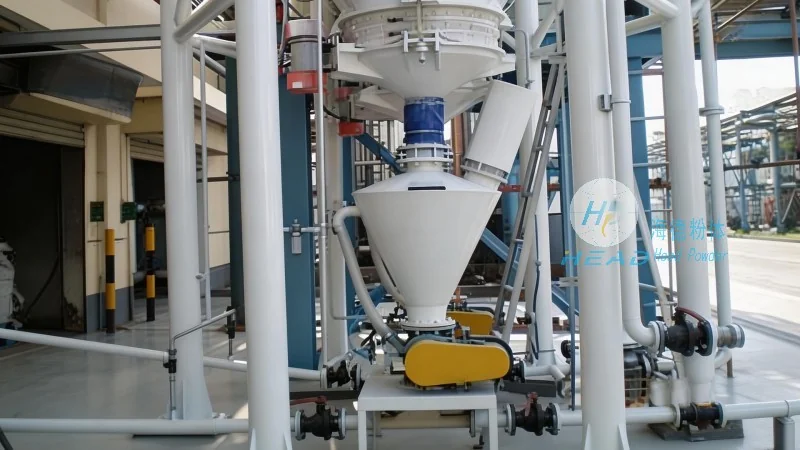
Understanding the Key Factors Influencing System Selection
When evaluating pneumatic conveying systems for dry FGD fly ash, several key factors must be considered to ensure optimal performance and cost-effectiveness. The first and most critical factor is the physical properties of the fly ash itself. Dry FGD fly ash typically exhibits characteristics such as varying particle sizes, moisture content, and bulk density, which directly impact the system's design and operational efficiency. For instance, fly ash with higher moisture content may require specialized equipment to prevent clogging or degradation, while coarser particles might necessitate higher air velocities or larger duct diameters to maintain consistent flow. Additionally, the distance and layout of the conveying route—whether it involves horizontal, vertical, or a combination of both—plays a significant role in determining the system type and components required. Horizontal conveying systems are generally suitable for shorter distances and moderate flow rates, while vertical or inclined systems are preferred for longer vertical lifts or when space constraints are a concern.
Types of Pneumatic Conveying Systems for Fly Ash Handling
Two primary categories of pneumatic conveying systems are commonly used in FGD fly ash applications: positive pressure and negative pressure systems. Positive pressure systems, also known as pressure conveying, utilize a positive pressure air stream to push the material through the pipeline. This method is often preferred for handling abrasive or corrosive materials like fly ash, as it reduces the risk of material degradation and system wear. Positive pressure systems typically operate at higher air pressures (ranging from 0.5 to 2 bar) and are well-suited for conveying over longer distances or through complex layouts. On the other hand, negative pressure systems, or vacuum conveying, use a vacuum to draw the material into the system. This approach is generally more suitable for shorter distances and lower flow rates, as it may require more energy to maintain the vacuum and can be less efficient for abrasive materials. The choice between these systems depends on factors such as the distance to be covered, the required flow rate, and the physical properties of the fly ash. For example, a facility with a long horizontal run and high flow rates might opt for a positive pressure system, while a plant with a short vertical lift and lower flow rates could consider a negative pressure system.
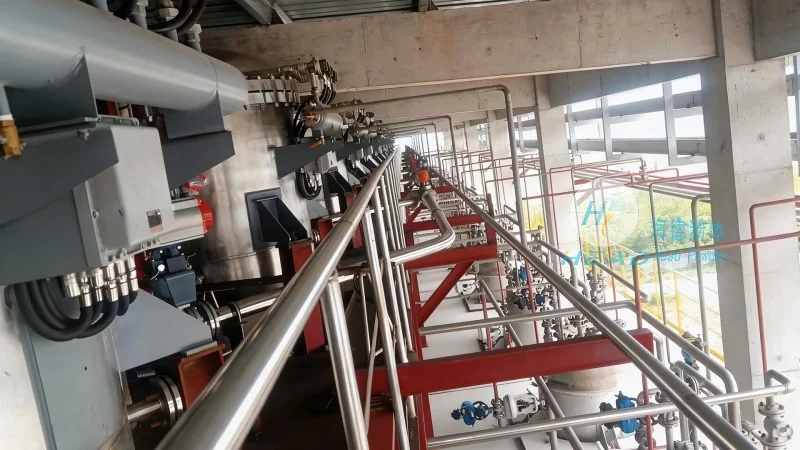
Key Design Considerations for Optimal Performance
Regardless of the system type selected, several design considerations are essential to ensure reliable operation and longevity. One critical aspect is the selection of appropriate duct materials and diameters. Fly ash is known to be abrasive, and using materials such as stainless steel or high-grade alloys for the ductwork can help prevent wear and extend the system's lifespan. The duct diameter is also a critical factor, as it must be sized to accommodate the expected flow rate and particle size distribution without causing excessive pressure drop or clogging. Properly sized ducts ensure that the air velocity remains within optimal ranges, typically between 20 to 30 meters per second for positive pressure systems and 10 to 15 meters per second for negative pressure systems, to maintain consistent material transport.
Integration with Existing Infrastructure and Process Requirements
The successful implementation of a pneumatic conveying system for dry FGD fly ash handling also depends on its integration with the existing facility infrastructure and process requirements. This includes considerations such as the location of the ash collection point, the storage or disposal facilities, and any intermediate processing steps. For instance, if the fly ash needs to be transported to a storage silo or a disposal site, the system must be designed to connect seamlessly with these components. Additionally, the system should be compatible with the existing air handling equipment, such as fans or blowers, to ensure efficient energy use and minimal operational costs. Shandong HeadPowder Engineering Co., Ltd. specializes in designing customized pneumatic conveying solutions that integrate seamlessly with existing infrastructure, ensuring that the system operates efficiently and meets all process requirements without disrupting the overall plant operation.
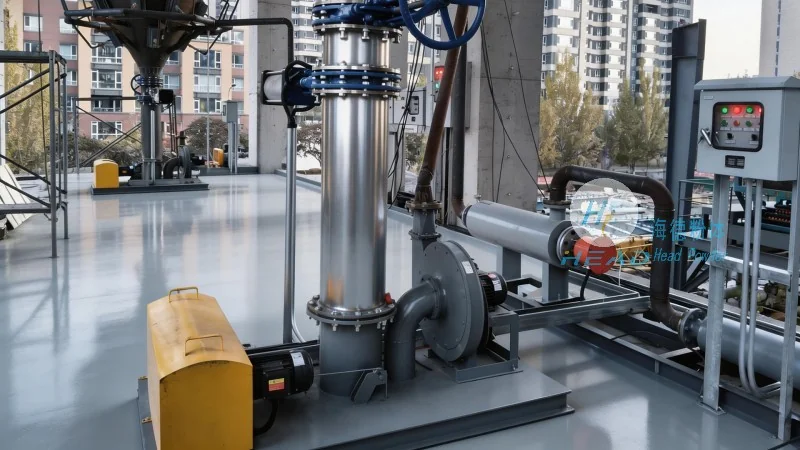
Maintenance and Operational Considerations
Long-term reliability of the pneumatic conveying system is closely tied to regular maintenance and proper operational practices. Regular inspection of ductwork, valves, and air filters is essential to prevent clogging and ensure consistent performance. The use of high-quality components, such as wear-resistant materials for ducts and efficient air filters, can significantly reduce maintenance frequency and costs. Additionally, monitoring system performance parameters, such as pressure drop and air flow rates, can help identify potential issues before they lead to system failures. Proper training of operational staff on the system's maintenance procedures is also crucial to ensure that the equipment is handled correctly and efficiently. By implementing a proactive maintenance strategy, facilities can minimize downtime and maximize the lifespan of their pneumatic conveying system, ensuring consistent and reliable fly ash handling.
Conclusion: Partnering with an Expert for Optimal Solutions
Choosing the right pneumatic conveying system for dry FGD fly ash handling is a complex process that requires careful consideration of various factors, including the material's physical properties, conveying distance, and operational requirements. By understanding the key factors influencing system selection, evaluating different system types, and addressing design and maintenance considerations, facility managers can make informed decisions that enhance operational efficiency and reduce costs. Shandong HeadPowder Engineering Co., Ltd., with its expertise in engineering solutions for industrial applications, offers tailored pneumatic conveying systems designed to meet the specific needs of dry FGD fly ash handling processes. Based in Shandong, China, the company provides comprehensive support from system design and installation to ongoing maintenance, ensuring that facilities can achieve reliable and efficient fly ash handling while adhering to environmental regulations. By partnering with HeadPowder, industrial facilities can optimize their dry FGD processes and ensure long-term operational success.