

How to Choose the Right Pneumatic Conveying System for Your Anhydrous Aluminum Chloride Handling Process?
When managing the handling and transportation of anhydrous aluminum chloride, selecting the appropriate pneumatic conveying system is crucial for ensuring operational efficiency, safety, and cost-effectiveness. Anhydrous aluminum chloride is a highly reactive and corrosive material, making traditional bulk handling methods potentially hazardous and inefficient. Pneumatic conveying offers a reliable solution by transporting the material in a closed system using air or other gases, minimizing exposure risks and maintaining product integrity. This guide from Shandong HeadPowder Engineering Co., Ltd., a leading provider of specialized material handling solutions based in China, outlines key considerations to help you select the optimal pneumatic conveying system for your anhydrous aluminum chloride process.
Understanding the Material and Process Requirements
Before selecting a pneumatic conveying system, it is essential to thoroughly understand the properties of anhydrous aluminum chloride and the specific requirements of your handling process. Anhydrous aluminum chloride is known for its hygroscopic nature, tendency to form lumps or agglomerates, and its corrosive effect on certain materials. These characteristics impact the choice of system components, such as the type of feeders, ductwork, and separation equipment. Additionally, factors like the required conveying distance, material flow rate, and the size and density of the particles must be considered. Shandong HeadPowder Engineering Co., Ltd. emphasizes that a customized approach is often necessary to address these unique challenges and ensure the system operates within the specified parameters.
Types of Pneumatic Conveying Systems for Anhydrous Aluminum Chloride
There are primarily two types of pneumatic conveying systems: positive pressure and negative pressure. Each has distinct advantages and is suitable for different applications. Positive pressure systems use a blower or compressor to generate air pressure that pushes the material through the system. They are generally more suitable for short to medium conveying distances and can handle higher material loads. Negative pressure systems, on the other hand, use a vacuum to draw material into the system, which is often preferred for longer distances or when the material needs to be transported from multiple sources. For anhydrous aluminum chloride, which can be sensitive to air exposure, both system types can be adapted with appropriate sealing and material contact components to prevent contamination and ensure safety.
Key Components and Their Role in the System
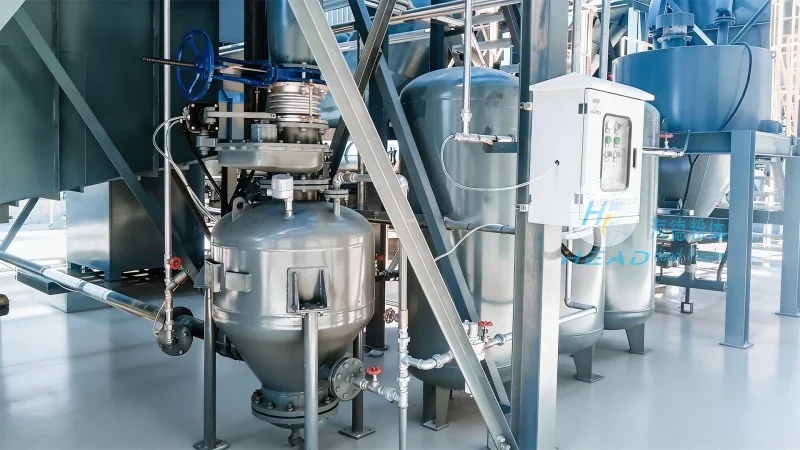
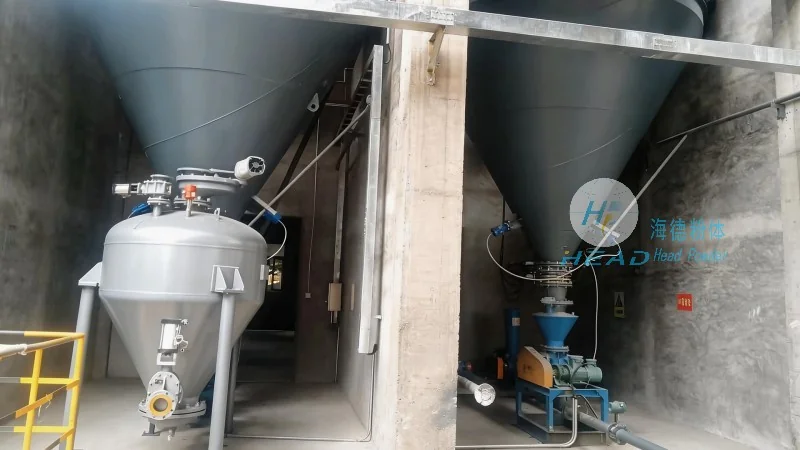
A pneumatic conveying system for anhydrous aluminum chloride typically consists of several critical components. The feed hopper or feeder is responsible for accurately metering the material into the system, preventing blockages and ensuring a consistent flow. The ductwork, usually made of corrosion-resistant materials like stainless steel or special alloys, transports the material and air mixture. The conveying line may include bends, elbows, or expansion joints to accommodate changes in direction or elevation. The separation equipment, such as cyclones or filters, separates the material from the air at the receiving end, ensuring that the material is collected without loss. Control valves and regulators manage the air pressure and flow rate, maintaining system stability. Shandong HeadPowder Engineering Co., Ltd. specializes in designing and manufacturing these components to meet the specific needs of anhydrous aluminum chloride handling, ensuring durability and performance.
Choosing the Right System: Factors to Consider
When selecting a pneumatic conveying system for anhydrous aluminum chloride, several factors must be evaluated. The first is the conveying distance and layout of the process. Short distances may allow for simpler systems, while longer distances or complex layouts may require more advanced designs, such as multi-stage systems or booster units. The material flow rate and required throughput are also critical. Higher flow rates may necessitate larger duct sizes or more powerful air sources. The particle size and density of the anhydrous aluminum chloride affect the system's capacity and the need for specialized feeders to handle lumpy or abrasive materials. Additionally, the need for environmental control, such as preventing dust emissions or maintaining a controlled atmosphere, should be considered. Shandong HeadPowder Engineering Co., Ltd. provides comprehensive engineering services to assess these factors and recommend the most suitable system configuration, ensuring that the chosen solution meets all operational and safety requirements.
Customization and Integration with Existing Facilities
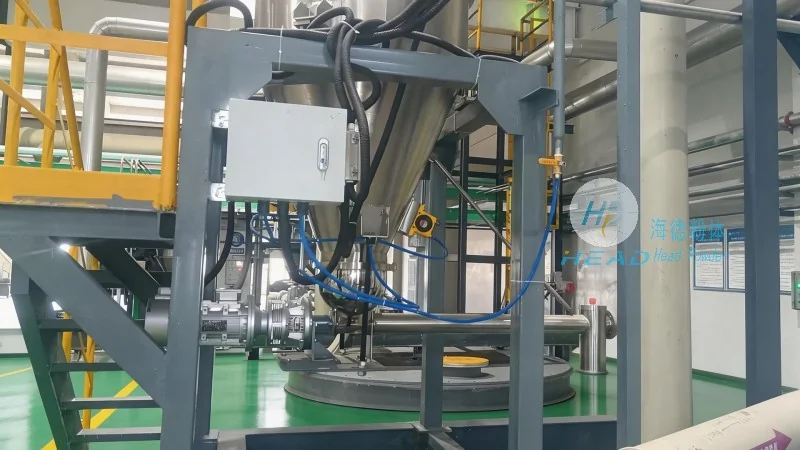
Many industrial facilities already have existing infrastructure, such as storage silos, processing equipment, or existing pneumatic conveying lines. Integrating a new system for anhydrous aluminum chloride into these existing facilities requires careful planning to ensure compatibility and minimal disruption. Shandong HeadPowder Engineering Co., Ltd. offers expertise in system integration, working with clients to assess current infrastructure and design a system that seamlessly connects to existing components. This may involve adapting feeders to match existing hopper designs, modifying ductwork to fit existing layouts, or incorporating control systems that interface with existing plant controls. Customization is a key strength of HeadPowder, as they understand that each anhydrous aluminum chloride handling process has unique requirements that cannot be addressed by a one-size-fits-all solution.
Maintenance and Operational Considerations
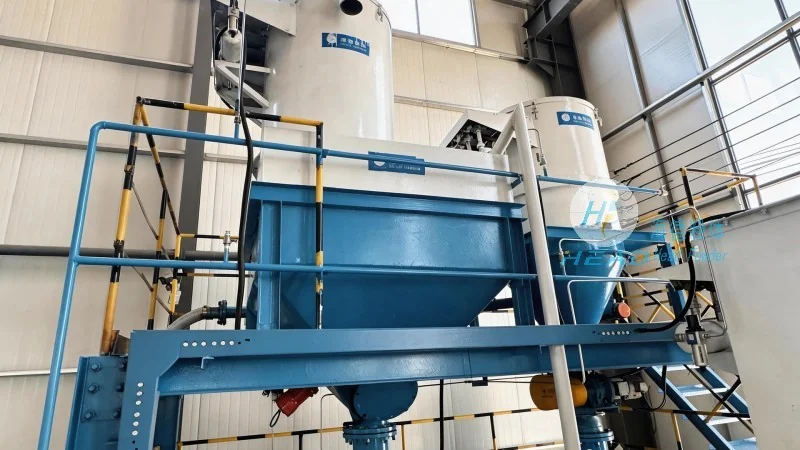
Once a pneumatic conveying system is installed, proper maintenance is essential to ensure long-term reliability and performance. Anhydrous aluminum chloride can be abrasive and corrosive, which may affect system components over time. Regular inspection of feeders, ductwork, and separation equipment is necessary to detect wear or damage early. Shandong HeadPowder Engineering Co., Ltd. recommends establishing a maintenance schedule that includes cleaning, lubrication, and component replacement as needed. Additionally, monitoring system performance, such as air pressure, flow rate, and material throughput, helps identify any issues before they become major problems. Proper training of operators on system operation and maintenance is also crucial for ensuring the system operates efficiently and safely. By following these maintenance practices, facilities can maximize the lifespan of their pneumatic conveying system and minimize downtime.
Conclusion
Selecting the right pneumatic conveying system for anhydrous aluminum chloride is a critical decision that impacts the efficiency, safety, and cost-effectiveness of your handling process. By understanding the material properties, evaluating system types, considering key components, and assessing operational factors, you can make an informed choice. Shandong HeadPowder Engineering Co., Ltd., with its expertise in specialized material handling solutions, offers tailored pneumatic conveying systems designed to meet the unique challenges of anhydrous aluminum chloride. Their customized approach, integration capabilities, and commitment to quality ensure that clients receive a reliable and efficient system that enhances their overall process performance. Whether you are setting up a new facility or upgrading an existing one, HeadPowder provides the expertise and solutions to help you achieve optimal results in your anhydrous aluminum chloride handling operations.