

How to Choose the Right Pneumatic Conveying System for Your Lithium-Ion Battery Cathode Material Handling Process?
When it comes to the efficient and reliable handling of lithium-ion battery cathode materials, selecting the appropriate pneumatic conveying system is a critical decision that impacts production efficiency, material quality, and overall operational costs. As a leading provider in the field, Shandong HeadPowder Engineering Co., Ltd. understands the unique challenges faced by manufacturers in the battery industry and offers tailored solutions to meet these demands. The cathode material, which typically consists of lithium compounds like lithium cobalt oxide (LCO), lithium nickel manganese cobalt oxide (NMC), or lithium iron phosphate (LFP), is highly sensitive to environmental factors such as moisture, temperature, and contamination. Traditional handling methods like bucket elevators or belt conveyors may not provide the necessary control over these factors, leading to material degradation and reduced battery performance. Pneumatic conveying systems, by contrast, offer a closed-loop, dust-free environment that minimizes exposure to external elements, ensuring the material remains in optimal condition throughout the processing chain.
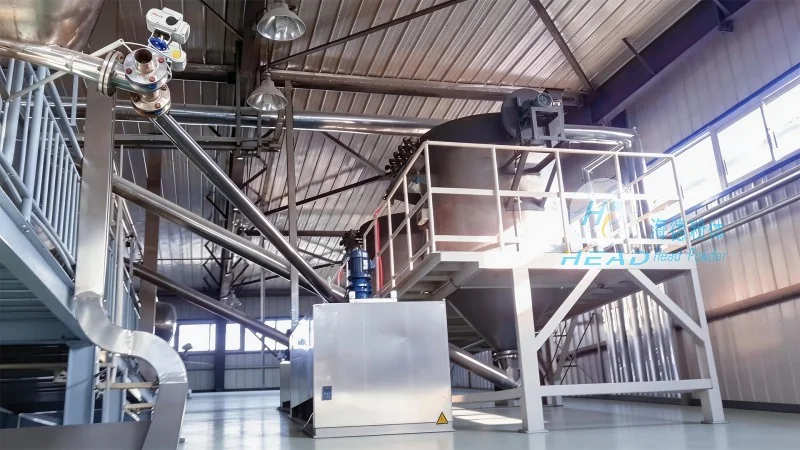
Understanding the Importance of Pneumatic Conveying for Cathode Materials
For lithium-ion battery manufacturers, the cathode material, typically a blend of lithium compounds and transition metals, requires precise handling to maintain its chemical integrity and prevent degradation. Traditional methods like bucket elevators or belt conveyors may not be suitable due to the material's sensitivity to moisture, temperature, and contamination. Pneumatic conveying systems provide a closed-loop, dust-free environment that minimizes exposure to external factors, ensuring the material remains in optimal condition throughout the processing chain. This is particularly important for high-value cathode materials, as even minor degradation can significantly impact the performance and lifespan of the final battery product.
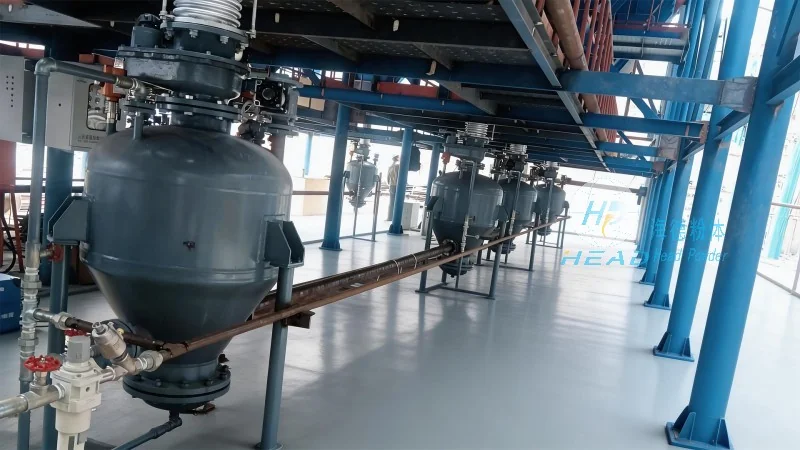
Key Factors to Consider When Selecting a Pneumatic Conveying System
Choosing the right pneumatic conveying system involves evaluating several key factors tailored to the specific characteristics of the cathode material and the production environment. Shandong HeadPowder Engineering Co., Ltd. emphasizes the importance of matching the system's design to the material's properties, such as particle size, density, and flowability. For example, fine powders with high moisture content may require a system with higher pressure and better filtration to prevent clogging or material loss. The system's capacity, pressure requirements, and scalability are also critical considerations to ensure it can handle current and future production needs without bottlenecks. Manufacturers should also consider the system's compatibility with existing infrastructure, including space constraints, power availability, and integration with other processing equipment. A well-designed system should be able to integrate seamlessly with existing production lines, minimizing the need for major modifications or disruptions.
Types of Pneumatic Conveying Systems for Cathode Material Handling
There are primarily two types of pneumatic conveying systems used in the battery industry: pressure and vacuum systems. Pressure systems, which use positive pressure to move material from the source to the destination, are ideal for long-distance or high-capacity applications. These systems typically operate at pressures ranging from 0.5 to 10 bar and are suitable for transporting materials over distances of up to several hundred meters. Vacuum systems, on the other hand, use negative pressure to draw material from a source, making them suitable for shorter distances or when material needs to be collected from multiple points. Vacuum systems are often preferred for applications where the material source is located at a higher elevation or where the material needs to be transported against gravity. Shandong HeadPowder Engineering Co., Ltd. offers both types, allowing manufacturers to choose the most suitable option based on their specific operational requirements, such as material flow rate, distance, and system complexity. The company's engineers can help determine the optimal system type by analyzing factors like material characteristics, production volume, and site layout.
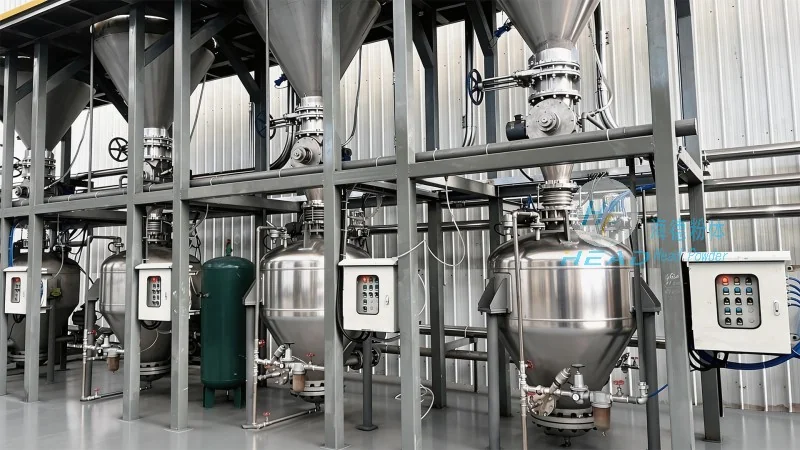
Design Considerations for Optimal Performance
The design of a pneumatic conveying system for cathode materials must account for several technical aspects to ensure reliable operation. Material compatibility with system components, such as pipes, valves, and filters, is paramount to prevent corrosion or degradation. For example, if the cathode material contains acidic components, the system's components must be made of materials like stainless steel or special alloys that can resist corrosion. The system's ability to handle variations in material flow, such as surges or fluctuations, is also crucial for maintaining consistent performance. This can be achieved through the use of surge tanks, flow control valves, and variable speed drives that adjust the system's output based on real-time demand. Additionally, the integration of the system with existing production lines and the availability of maintenance support are important factors that manufacturers should consider when selecting a solution. A well-designed system should be easy to integrate with existing equipment and have a service team that can provide timely support and maintenance to minimize downtime. Regular maintenance, such as filter cleaning and component inspection, is essential to ensure the system operates efficiently and prolong its lifespan.