

How to Choose the Right Pneumatic Conveying System for Your Malt Handling Process?
For manufacturers and processors in the malt industry, selecting the appropriate pneumatic conveying system is a critical decision that impacts operational efficiency, product quality, and overall process reliability. The right system ensures that malt is transported safely and effectively from storage to processing equipment, while minimizing the risk of contamination and material degradation. This guide outlines key considerations to help you choose the most suitable pneumatic conveying system for your malt handling operations.
Understanding Malt Characteristics and System Requirements
Before selecting a pneumatic conveying system, it is essential to understand the unique characteristics of malt and the specific requirements of your processing line. Malt is a granular material with distinct properties that influence system design. Key factors include particle size, moisture content, bulk density, and flowability. These characteristics determine the type of pneumatic conveying system—either pressure or vacuum—that will best accommodate your needs. For instance, if your process involves moving malt from a silo to a mill or a dryer, the system must be capable of handling the material's density and potential for bridging or caking. Additionally, the system should be designed to prevent product degradation, such as oxidation or heat exposure, which can affect the final quality of the malt.
Types of Pneumatic Conveying Systems
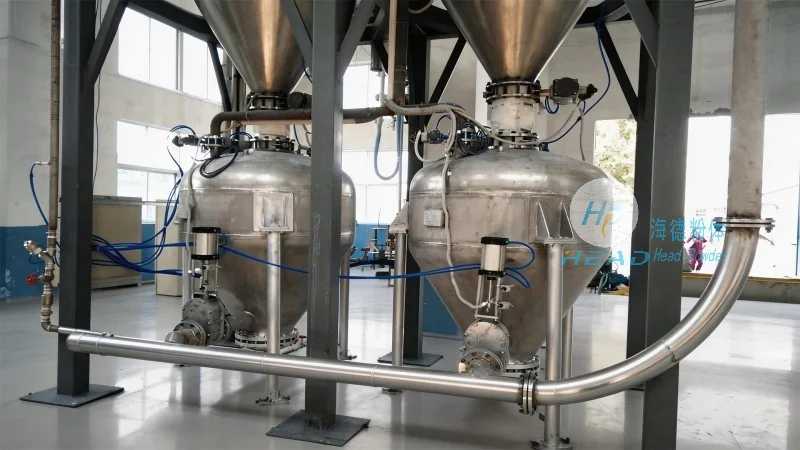
There are two primary categories of pneumatic conveying systems: pressure and vacuum. Each type has distinct advantages and is suitable for different applications in malt handling. Pressure systems use compressed air to push material through a pipeline, while vacuum systems use a vacuum to pull material from a source. Understanding the differences between these systems is crucial for making an informed decision.
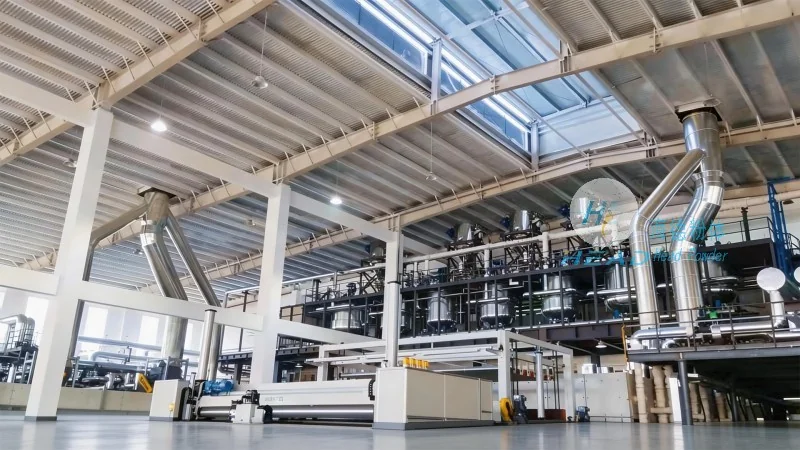
Pressure systems are often preferred for long-distance or high-volume transport of malt. They typically operate at higher pressures and can handle larger quantities of material. These systems are ideal for applications where the material needs to be moved from a central storage silo to multiple processing points. However, pressure systems require robust equipment, including high-pressure blowers and durable pipelines, to withstand the internal pressure. On the other hand, vacuum systems are better suited for short-distance transport or when the material needs to be moved from a lower elevation to a higher one. They are also useful for handling materials that are prone to dust or fine particles, as the vacuum helps to contain and control the material flow.
Key Factors to Consider When Choosing a System
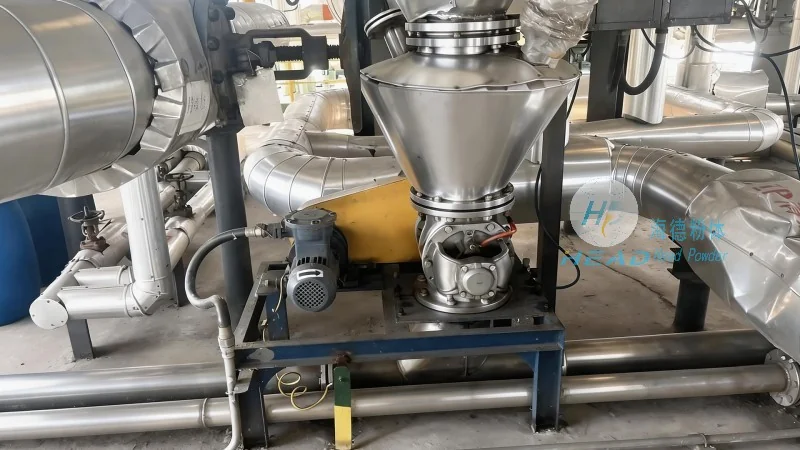
When evaluating pneumatic conveying systems for malt handling, several key factors should be considered to ensure optimal performance and compatibility with your process. First, the system's capacity and flow rate must match the production volume of your facility. A system that is too small will lead to bottlenecks and reduced throughput, while an oversized system may result in unnecessary energy consumption and higher costs. Second, the system's ability to handle variations in material characteristics, such as changes in moisture content or particle size, is critical. A flexible system that can adapt to these changes will ensure consistent performance over time. Third, the system's maintenance requirements and operational costs should be evaluated. Systems with lower maintenance needs and energy efficiency will provide better long-term value. Finally, the system's compliance with industry standards and regulations, such as those related to food safety and environmental protection, is essential to avoid legal and operational issues.

Role of HeadPowder Engineering in Malt Handling Solutions
Shandong HeadPowder Engineering Co., Ltd., a leading provider of engineering solutions for material handling, offers comprehensive expertise in designing and implementing pneumatic conveying systems tailored to the specific needs of the malt industry. With years of experience in the field, HeadPowder understands the unique challenges of handling malt and provides customized solutions that enhance operational efficiency and product quality. The company's team of engineers works closely with clients to assess their process requirements, material characteristics, and operational goals, ensuring that the selected system is optimized for their specific application. HeadPowder's commitment to quality and innovation is reflected in the advanced technology and durable components used in their systems, which are designed to withstand the demands of continuous malt processing.
Conclusion
Selecting the right pneumatic conveying system for your malt handling process is a decision that requires careful consideration of material characteristics, system types, and operational requirements. By understanding the key factors and working with a reputable provider like Shandong HeadPowder Engineering Co., Ltd., you can ensure that your system meets your needs, enhances productivity, and maintains the quality of your malt products. The right system not only improves efficiency but also contributes to the overall success of your malt processing operations.