

Introduction to Lithium Iron Phosphate Pneumatic Conveying Equipment: Structure and Working Principl
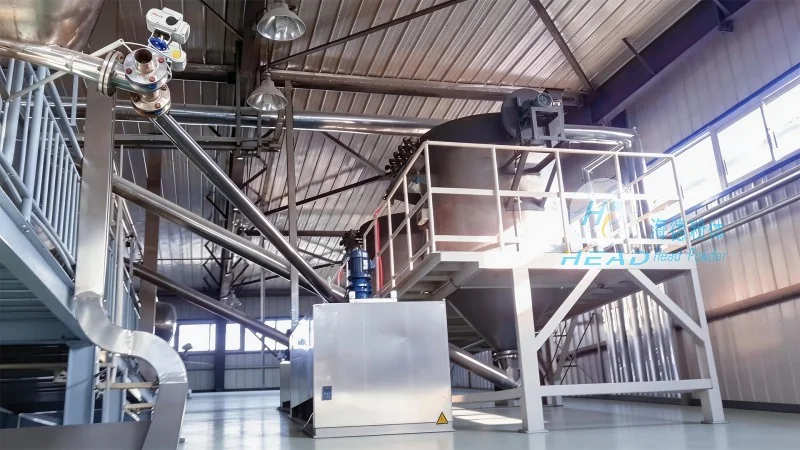
HeadPowder, an industry leader in material handling solutions, specializes in the design and manufacturing of advanced pneumatic conveying systems tailored for lithium iron phosphate (LiFePO₄) materials. With a focus on precision, efficiency, and reliability, our equipment is engineered to meet the demanding requirements of modern battery material processing. This article provides an overview of the lithium iron phosphate pneumatic conveying equipment, detailing its structural components and operational principles.
Company Profile and Background
HeadPowder, operating under the full name Shandong HeadPowder Engineering Co., Ltd., is a professional manufacturer headquartered in Shandong, China. The company has established itself as a trusted provider of customized material handling equipment, including pneumatic conveying systems for various industrial applications. Our expertise lies in integrating advanced technology with practical engineering solutions to deliver high-performance equipment that enhances productivity and operational safety.
Overview of Lithium Iron Phosphate Pneumatic Conveying Equipment
Lithium iron phosphate (LiFePO₄) is a critical cathode material used in lithium-ion batteries, valued for its stability, safety, and long cycle life. The pneumatic conveying equipment designed for handling LiFePO₄ is specifically engineered to manage the material's properties, such as its fine particle size and potential dust generation. This equipment ensures safe and efficient transport of LiFePO₄ from storage or processing areas to the next stage of battery production, such as mixing or packing.
Structural Components of the Pneumatic Conveying System
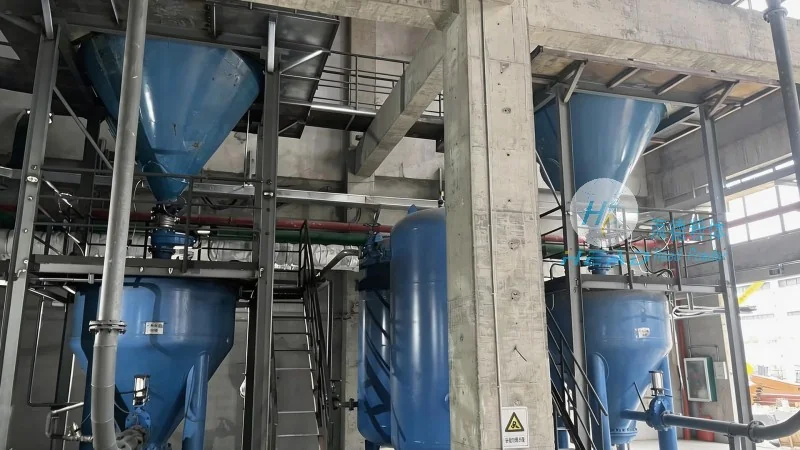
The lithium iron phosphate pneumatic conveying system typically consists of several key components, each playing a vital role in the overall operation. These components include:
- Feed Hopper and Vibrator: The feed hopper is used to store and feed the LiFePO₄ material into the system. A vibrator or feeder mechanism ensures a consistent and controlled flow of material into the conveying line, preventing blockages and maintaining system efficiency.
- Positive Displacement Blower or Air Compressor: This component generates the necessary air pressure to move the material through the pipeline. The choice between a blower and a compressor depends on the system's requirements, such as the distance and volume of material to be conveyed.
- Pneumatic Conveying Pipe: The pipeline, often made of stainless steel or other corrosion-resistant materials, transports the material and air mixture. The design of the pipe, including bends and elbows, is optimized to minimize pressure loss and maintain material integrity.
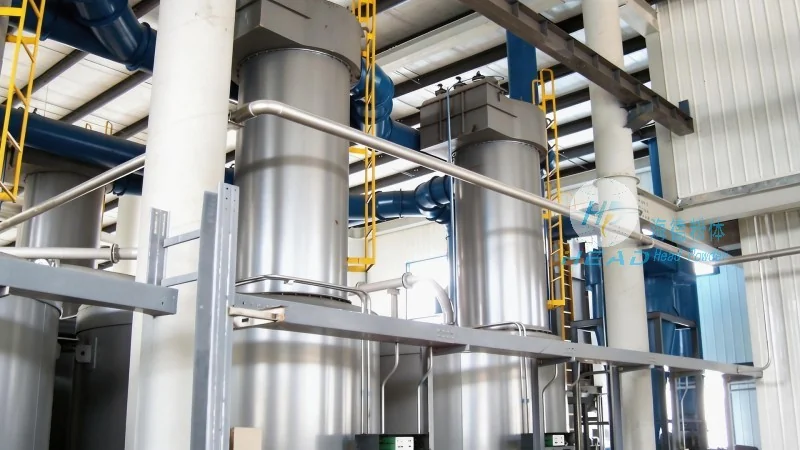
- Separation and Collection System: At the receiving end, a separation system, such as a cyclone or filter, separates the material from the air. The collected LiFePO₄ is then directed to a storage bin or processing unit, while the air is filtered and discharged.
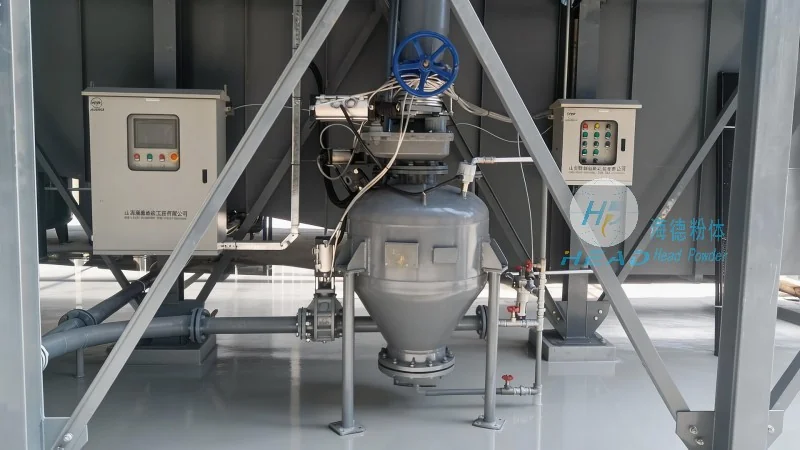
- Control Panel and Sensors: The control panel monitors and regulates the system's operation, ensuring safe and efficient performance. Sensors, such as pressure sensors and flow meters, provide real-time data to adjust the system parameters as needed.
Working Principle of the Pneumatic Conveying Process
The operation of the lithium iron phosphate pneumatic conveying system follows a straightforward yet effective process. The feed hopper supplies the LiFePO₄ material, which is then fed into the conveying pipe by the feeder mechanism. Simultaneously, the blower or compressor generates high-pressure air that is introduced into the pipe. The air flow carries the material particles through the pipeline, creating a suspension of material and air. As the mixture travels to the receiving end, the separation system uses centrifugal force or filtration to separate the material from the air. The separated LiFePO₄ is collected, while the air is cleaned and released back into the environment.
Key Technical Advantages
The lithium iron phosphate pneumatic conveying equipment offers several advantages that make it an ideal choice for material handling in the battery industry:
- Efficiency and Speed: The system provides rapid and continuous material transport, reducing downtime and increasing overall production throughput.
- Safety and Cleanliness: Pneumatic conveying eliminates the need for manual handling of fine powders, minimizing the risk of dust exposure and cross-contamination. The enclosed system also prevents material loss and environmental pollution.
- Flexibility and Scalability: The equipment can be customized to handle different material volumes and conveying distances, making it suitable for various production scales.
- Low Maintenance: With fewer moving parts compared to mechanical conveying systems, the pneumatic system requires less maintenance, reducing operational costs.
Application in Lithium Iron Phosphate Processing
The lithium iron phosphate pneumatic conveying equipment is widely used in the processing of LiFePO₄ materials, from raw material handling to the final battery assembly. It is commonly employed in:
- Raw Material Handling: Transporting LiFePO₄ from storage silos to mixing or grinding units.
- Intermediate Processing: Moving processed LiFePO₄ to coating or mixing lines.
- Final Product Packaging: Conveying finished LiFePO₄ cathode materials to packaging stations.
Conclusion
HeadPowder's lithium iron phosphate pneumatic conveying equipment represents a reliable and efficient solution for handling LiFePO₄ materials in the battery industry. By understanding the structural components and working principles of this equipment, users can optimize their material handling processes, enhance productivity, and ensure compliance with safety and environmental standards. With our expertise and commitment to quality, HeadPowder continues to provide innovative solutions that meet the evolving needs of the lithium battery sector.