

Introduction to Desulfurization Sodium Bicarbonate Pneumatic Conveying Equipment: Structure and Work
Desulfurization sodium bicarbonate is a critical component in modern industrial processes, particularly in the treatment of flue gas from power plants and other industrial facilities. The efficient and reliable transportation of this material is essential for maintaining the performance and safety of desulfurization systems. This article provides an overview of the pneumatic conveying equipment used for handling desulfurization sodium bicarbonate, focusing on its structural design and operational principles.
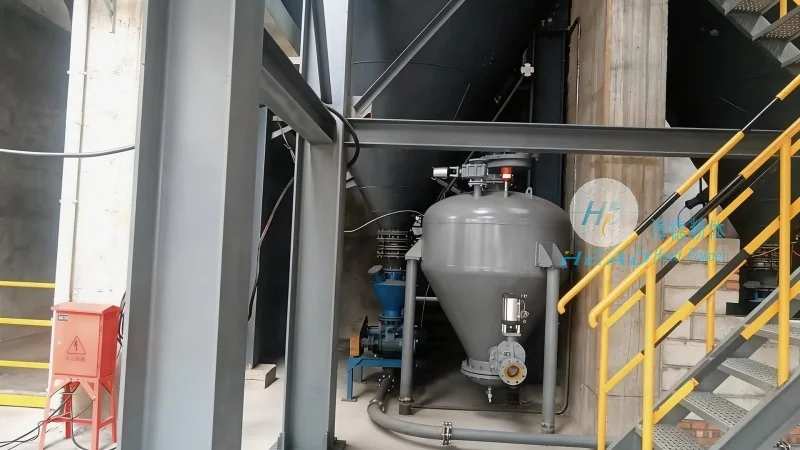
Overview of Pneumatic Conveying Systems for Desulfurization Sodium Bicarbonate
Pneumatic conveying systems are widely adopted in the chemical and power industries due to their ability to transport bulk materials over long distances without the need for mechanical components like belts or buckets. These systems utilize air or gas as the conveying medium, creating a flow that moves the material through pipelines. For desulfurization sodium bicarbonate, which is often in a fine powder form, pneumatic conveying offers advantages such as low maintenance, high efficiency, and the ability to handle abrasive or corrosive materials.
Key Components of the Pneumatic Conveying Equipment
The pneumatic conveying system for desulfurization sodium bicarbonate typically consists of several key components that work in tandem to ensure effective material transport. These components include a material feeder, a conveying pipeline, a pressure vessel or receiver, and a control system. Each component plays a crucial role in the overall operation of the equipment.
The material feeder is responsible for introducing the desulfurization sodium bicarbonate into the conveying system. It may be a rotary valve, a screw feeder, or a hopper with a discharge valve, depending on the specific application and material characteristics. The feeder ensures a consistent flow rate, preventing blockages and maintaining the integrity of the material.
The conveying pipeline is the main channel through which the material and air travel. It is usually made of stainless steel or other corrosion-resistant materials to withstand the chemical properties of the desulfurization sodium bicarbonate. The pipeline design, including the diameter and length, is critical for optimizing the conveying efficiency and minimizing pressure losses.
The pressure vessel or receiver is where the material is collected after being conveyed. It may be a hopper or a tank with a discharge valve, allowing the material to be discharged into the next processing stage. The receiver also helps in separating the material from the air, ensuring that the material is stored in a dry and free-flowing state.
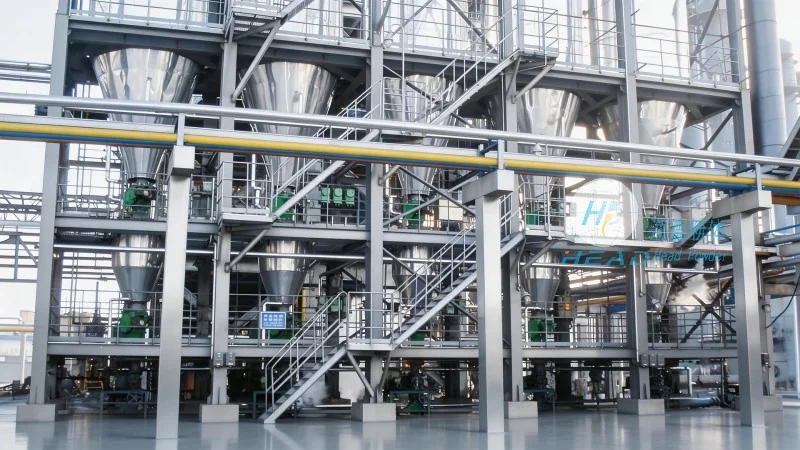
The control system monitors and regulates the operation of the pneumatic conveying equipment. It includes sensors for pressure, flow rate, and material level, as well as control valves and actuators. The control system ensures that the equipment operates within safe and efficient parameters, preventing overpressure or underflow conditions.
Working Principle of the Pneumatic Conveying Process
The operation of the pneumatic conveying system for desulfurization sodium bicarbonate involves several steps. First, the material is fed into the system from the feeder. Then, air or gas is introduced into the pipeline, creating a flow that lifts and transports the material. The material is carried by the air stream through the pipeline to the receiver. The air is then separated from the material in the receiver, and the material is discharged for further processing.
The conveying process can be categorized into two main types: dilute-phase and dense-phase. Dilute-phase conveying uses a higher air velocity to transport the material in a relatively low concentration, suitable for short distances or low material loads. Dense-phase conveying uses a lower air velocity and higher material concentration, ideal for long distances or high material loads, as it reduces the risk of material degradation and blockages.
For desulfurization sodium bicarbonate, the choice between dilute-phase and dense-phase conveying depends on the specific application requirements, such as the distance to be covered, the material flow rate, and the desired material handling efficiency. The system design must be optimized to balance these factors to achieve the best performance.
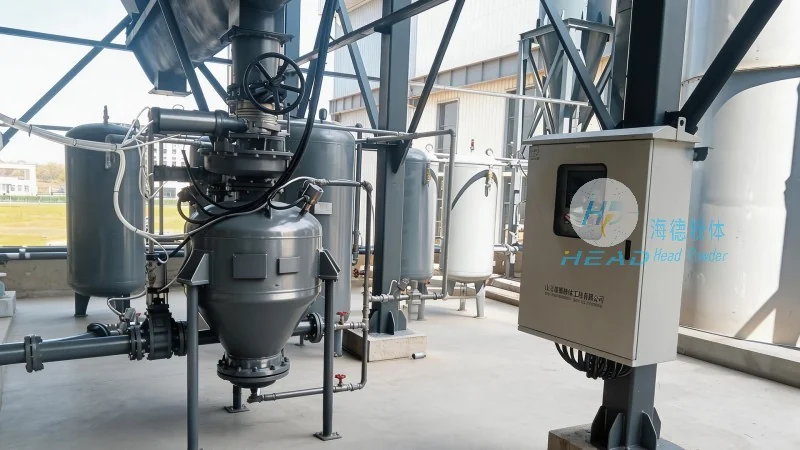
Advantages and Applications of the Equipment
The pneumatic conveying equipment for desulfurization sodium bicarbonate offers several advantages over traditional mechanical conveying methods. These include reduced maintenance costs, as there are fewer moving parts, and improved material handling efficiency, as the system can transport materials over long distances without the need for intermediate storage or handling. Additionally, the equipment is suitable for handling abrasive or corrosive materials, which are common in desulfurization processes.
Applications of this equipment include the transportation of desulfurization sodium bicarbonate from storage silos to the desulfurization reactor, from the reactor to the material handling system, or between different processing stages in the power plant. The equipment is also used in other industrial processes where fine powders need to be transported, such as in chemical manufacturing, food processing, and pharmaceuticals.
About Shandong HeadPowder Engineering Co., Ltd.
Shandong HeadPowder Engineering Co., Ltd. is a leading manufacturer and supplier of pneumatic conveying equipment and related industrial solutions. With a focus on innovation and quality, the company has developed advanced technologies for handling various bulk materials, including desulfurization sodium bicarbonate. The company's products are designed to meet the specific needs of different industries, ensuring high efficiency, reliability, and safety.
HeadPowder Engineering is committed to providing customers with customized solutions that address their unique material handling challenges. The company's team of engineers and technicians work closely with clients to understand their requirements and develop tailored equipment that meets their operational and performance needs. With a strong emphasis on research and development, the company continuously improves its products to stay at the forefront of the industry.
HeadPowder Engineering is located in Shandong, China, and serves clients worldwide. The company's products are exported to various countries, including Europe, North America, and Asia, and are recognized for their high quality and reliability. The company adheres to international standards and certifications, ensuring that its products meet the highest quality and safety requirements.