

Introduction to and Structural Principles of Algae Residue Granule Pneumatic Conveying Equipment
HeadPowder, a leading manufacturer based in Shandong, China, specializes in the design and production of advanced pneumatic conveying systems tailored for handling various bulk materials, including algae residue granules. This article provides an overview of the equipment, its structural design, and the underlying principles that enable efficient and reliable material transport.
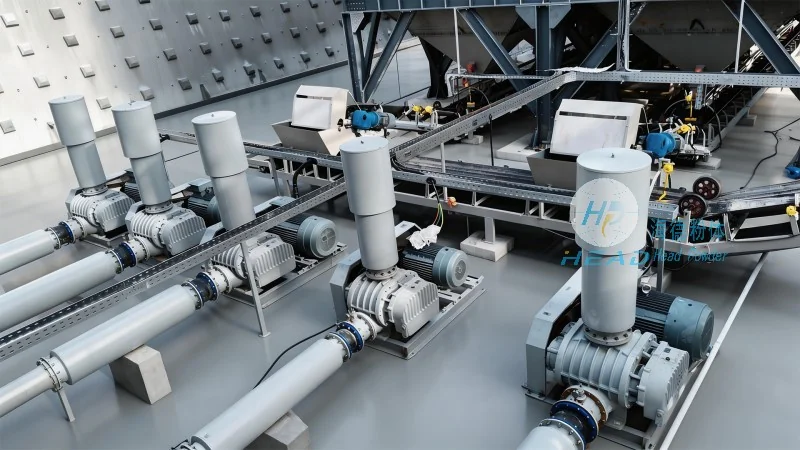
Overview of Algae Residue Granule Pneumatic Conveying Equipment
The pneumatic conveying equipment for algae residue granules is engineered to handle the unique challenges posed by this material, such as its moisture content, particle size distribution, and potential stickiness. The system is designed to ensure minimal product degradation while maintaining high conveying efficiency. Key components include the hopper, feeder, airlock, conveying line, and receiver, each playing a critical role in the overall operation.
Structural Design and Key Components
The structural design of the pneumatic conveying system is optimized for durability and ease of maintenance. The hopper is constructed from high-quality materials, such as stainless steel or corrosion-resistant alloys, to withstand the chemical properties of algae residue and prevent material buildup. The feeder, typically a rotary valve or screw feeder, ensures a consistent and controlled flow of granules into the conveying line. The airlock, positioned at the discharge end, prevents backflow and maintains a stable pressure within the system. The conveying line, often made of flexible or rigid tubing, is designed to handle the specific air velocity and pressure requirements for algae residue granules. The receiver, where the material is deposited, is equipped with a discharge valve to facilitate easy unloading.
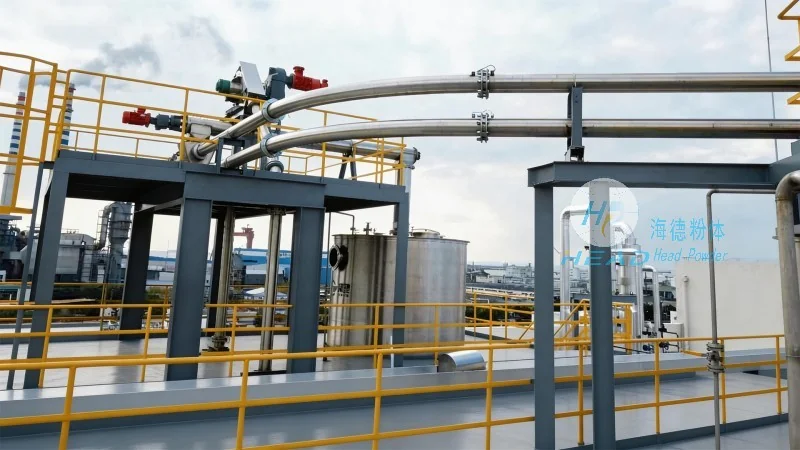
Working Principle of the Pneumatic Conveying System
The operation of the pneumatic conveying equipment relies on the principle of air flow to transport the granules. When the system is activated, a fan or blower generates a high-velocity air stream within the conveying line. The feeder introduces the algae residue granules into the air stream, and the combination of air and material moves through the system under pressure. The airlock at the discharge end separates the material from the air, allowing the granules to be deposited into the receiver while the air is either recirculated or discharged. The system maintains a consistent pressure and flow rate to ensure smooth and continuous operation, minimizing downtime and maximizing productivity.
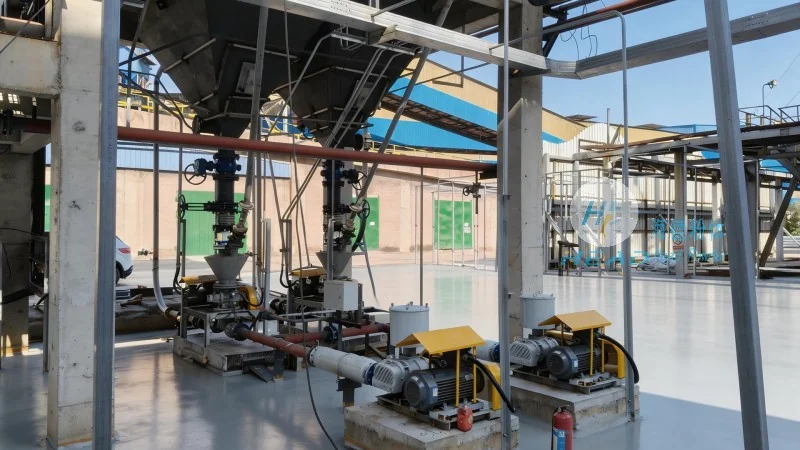
Advantages of the Pneumatic Conveying System
Compared to traditional mechanical conveying methods, the pneumatic system offers several advantages for handling algae residue granules. It eliminates the need for moving parts in contact with the material, reducing wear and tear and maintenance costs. The enclosed system prevents dust and odors from escaping, improving workplace safety and environmental compliance. The flexibility of the system allows for easy integration with existing processing lines, and the ability to transport materials over long distances without intermediate storage is a significant benefit. Additionally, the system can handle varying material characteristics, such as changes in moisture content or particle size, with minimal adjustments to the operating parameters.
Application Scenarios and Customization Options
The pneumatic conveying equipment is suitable for various applications in the processing of algae residue, including transport from storage silos to processing facilities, transfer between different processing stages, and delivery to packaging or storage areas. HeadPowder offers customization options to meet specific operational requirements, such as varying conveying distances, material flow rates, and environmental conditions. The company's engineering team works closely with clients to design systems that optimize performance, efficiency, and cost-effectiveness, ensuring that the equipment meets the unique needs of each application.