

Introduction to Intermittent Inflated Tank Pneumatic Conveying Systems: Structural Overview and Work
Intermittent inflated tank pneumatic conveying systems represent a sophisticated solution for material handling, particularly in industries requiring efficient, dust-free, and flexible transport of bulk materials. This article provides an overview of the system's structure and operational principles, highlighting its key components and how they work together to ensure reliable performance, developed by Shandong HeadPowder Engineering Co., Ltd., a leading manufacturer based in Shandong, China.
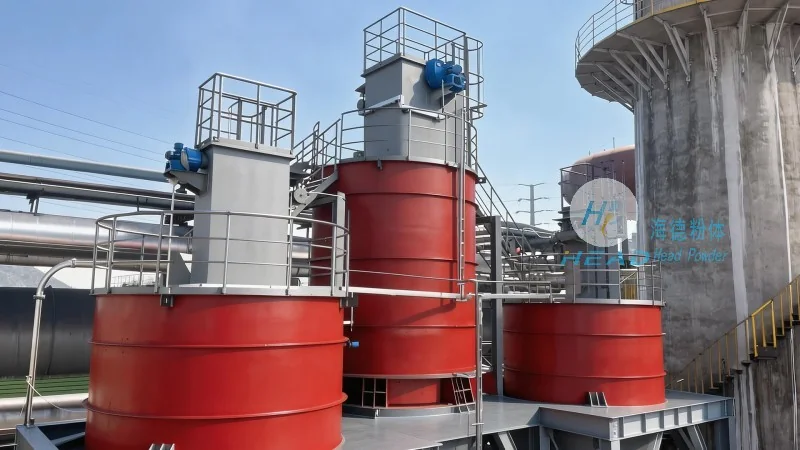
Key Components and Structural Design
The core of an intermittent inflated tank pneumatic conveying system consists of several critical components that work in tandem to facilitate material transport. The primary elements include the conveying tank, air inflation system, material feed mechanism, and control unit. The tank itself is typically constructed from durable materials such as stainless steel or high-grade plastic, designed to withstand the pressures and stresses associated with pneumatic transport. Its shape and size are optimized to accommodate the volume of material to be conveyed, ensuring efficient use of space and minimizing material degradation.
Within the tank, an air inflation system plays a pivotal role. This system comprises an air compressor, pressure regulator, and distribution manifold. The compressor generates the necessary air pressure, which is then regulated to maintain a consistent and safe operating level. The pressure is distributed evenly across the tank's interior, creating a controlled air cushion that lifts and propels the material. The design of the inflation system allows for precise control over the air pressure, enabling operators to adjust the conveying speed and efficiency based on the material's properties and the system's requirements.
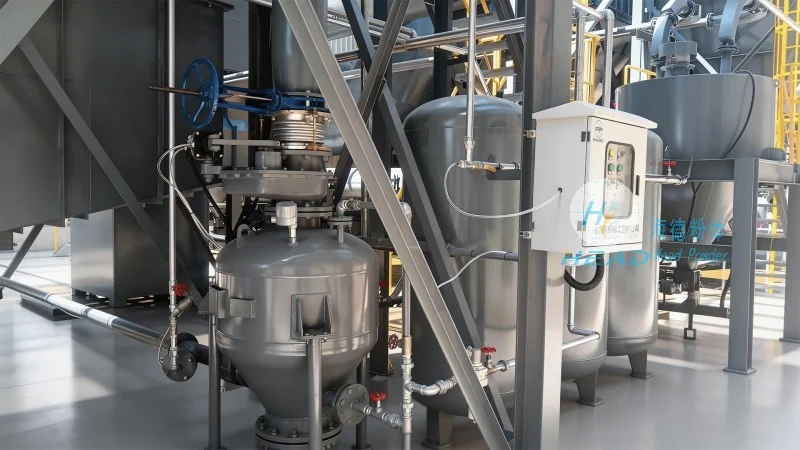
Working Principles and Operational Mechanism
The operational principle of an intermittent inflated tank pneumatic conveying system is based on the creation of a low-pressure or vacuum environment within the tank, which draws material into the system. The process begins with the material being fed into the tank through a hopper or feeder. As the air inflation system activates, it generates a pressure differential between the tank interior and the external environment. This pressure difference causes the material to be lifted and moved along the conveying path, typically through a pipeline connected to the tank. The system operates in cycles, with the inflation and deflation of air creating intermittent pulses that help maintain material flow and prevent clogging.
During operation, the control unit monitors key parameters such as air pressure, material level, and flow rate. This allows for real-time adjustments to optimize performance. For example, if the material flow slows down, the control system can increase the air pressure or adjust the feeding rate to maintain consistent conveying. The intermittent nature of the system also helps in reducing energy consumption, as the air is only applied when necessary, rather than continuously maintaining a high-pressure environment.
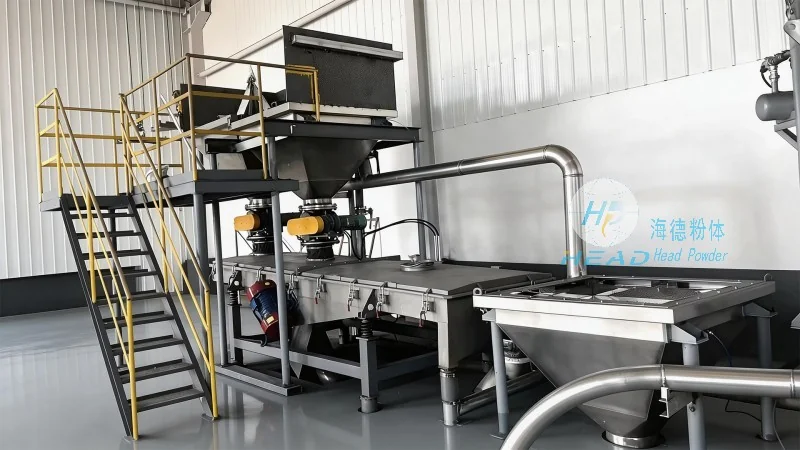
Advantages and Applications
Intermittent inflated tank pneumatic conveying systems offer several advantages that make them suitable for a wide range of industrial applications. One of the primary benefits is their ability to handle a variety of materials, including powders, granules, and even bulk solids, without causing segregation or degradation. The enclosed system also ensures that the material is transported in a dust-free environment, which is crucial for maintaining product quality and compliance with environmental regulations. Additionally, the system's flexibility allows for easy integration into existing production lines, with the ability to convey materials over long distances with minimal maintenance.
These systems are commonly used in industries such as food processing, pharmaceuticals, chemicals, and mining. In the food industry, for example, they are used to transport ingredients like flour, sugar, and spices, ensuring that the products remain clean and free from contamination. In the pharmaceutical sector, the dust-free and hygienic design of the system is essential for maintaining the purity of active ingredients. The chemical industry benefits from the system's ability to handle corrosive materials safely, while the mining industry uses it to transport ore and other bulk materials from mines to processing facilities.
Maintenance and Operational Considerations
To ensure the reliable and efficient operation of an intermittent inflated tank pneumatic conveying system, regular maintenance is essential. This includes checking the air compressor and pressure regulator for proper functioning, inspecting the tank and conveying lines for any signs of wear or damage, and cleaning the system to prevent material buildup. The control unit should also be regularly calibrated to maintain accurate monitoring of system parameters. Proper maintenance not only extends the lifespan of the equipment but also minimizes downtime and ensures consistent performance.
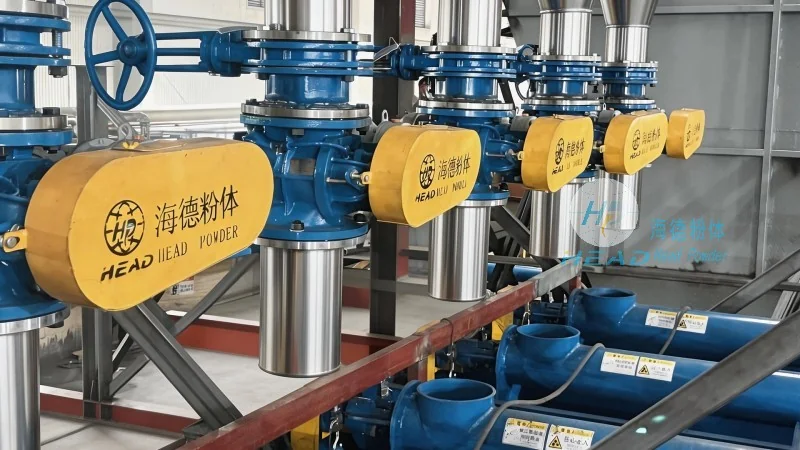
Operational considerations also play a significant role in maximizing the system's efficiency. Operators should be trained to monitor the system's performance and make adjustments as needed. For instance, adjusting the feeding rate or air pressure based on the material's characteristics can improve conveying efficiency and reduce energy consumption. Additionally, the system should be operated within the recommended parameters to avoid overloading or damaging the components. By following proper operational guidelines, users can achieve optimal performance and extend the system's service life.
Conclusion
Intermittent inflated tank pneumatic conveying systems are a highly effective solution for material handling in various industrial applications. Their robust design, efficient operation, and ability to handle diverse materials make them a preferred choice for many industries. By understanding the structural components and operational principles, users can better appreciate the advantages of these systems and make informed decisions when selecting or maintaining them. As technology continues to advance, these systems are likely to evolve further, offering even greater efficiency and reliability for material transport needs.