

Operation Process and Working Principle of Cement Clinker Material Pneumatic Conveying Equipment
Shandong HeadPowder Engineering Co., Ltd. specializes in the design, manufacturing, and supply of advanced pneumatic conveying systems tailored for cement clinker material handling. Our equipment is engineered to meet the demanding requirements of modern cement production facilities, ensuring efficient, reliable, and low-maintenance operation. The following sections detail the operational process and working principles of our cement clinker pneumatic conveying equipment, highlighting key components and their functions.
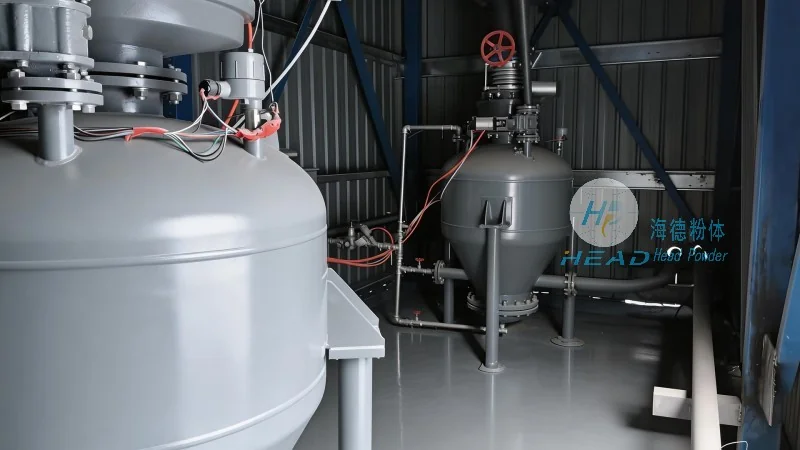
Key Components and System Overview
The cement clinker pneumatic conveying system typically consists of several core components that work in tandem to transport clinker material from the storage silo to the final processing point. The primary components include the material hopper, feeder, air compressor, conveying pipeline, and discharge unit. Each component plays a critical role in the overall system performance. The material hopper is designed to store and feed clinker into the system at a controlled rate, preventing material bridging and ensuring consistent flow. The feeder, often a rotary valve or screw feeder, regulates the quantity of material entering the conveying line, maintaining stable pressure and flow conditions. The air compressor generates the necessary air pressure to create a vacuum or pressure differential within the pipeline, enabling the clinker particles to be carried by the air stream. The conveying pipeline, made from durable materials such as stainless steel or special alloys, is designed to withstand the abrasive nature of clinker and the high air velocities involved. The discharge unit, located at the receiving end, separates the clinker from the air and directs it to the next stage of processing. The system may also include auxiliary components like filters, silencers, and pressure regulators to ensure safe and efficient operation.
Operation Process of the Pneumatic Conveying System
The operation of the cement clinker pneumatic conveying equipment follows a systematic sequence that ensures smooth material transport. The process begins with the clinker being discharged from the storage silo into the material hopper. The hopper’s design, with its sloped sides and discharge gate, facilitates the flow of clinker into the feeder. The feeder then controls the rate of material release, feeding it into the conveying pipeline at a consistent pace. Simultaneously, the air compressor starts operating, generating compressed air that enters the pipeline through the feeder or a dedicated air inlet. The air flow creates a negative pressure (or positive pressure, depending on the system design) within the pipeline, drawing the clinker particles into the air stream. As the air and clinker mixture travels through the pipeline, the clinker is suspended and transported to the discharge point. At the receiving end, the discharge unit separates the clinker from the air using a cyclone separator or other filtration method. The clinker is then collected and directed to the next processing stage, such as grinding or packaging. The air, now free of clinker particles, is either vented to the atmosphere or recirculated through a filter system to remove any residual dust. The entire process is monitored by control panels that adjust the air pressure, material feed rate, and other parameters to maintain optimal performance. This automated control system ensures that the conveying operation runs continuously without interruption, minimizing downtime and maximizing productivity.
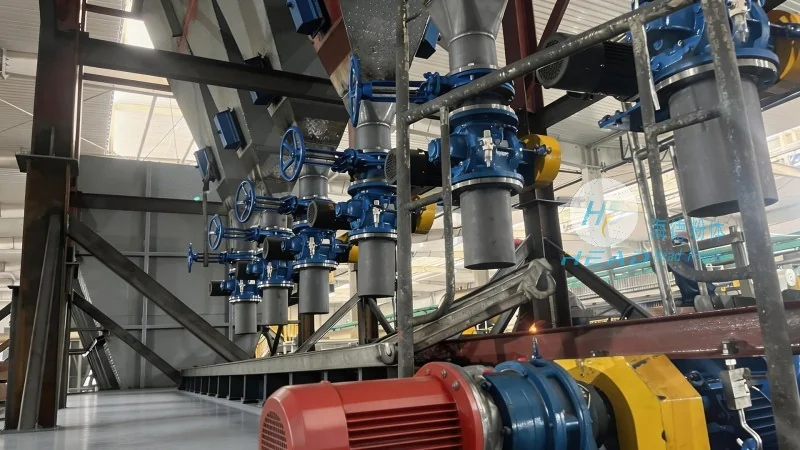
Working Principle: Air-Flow and Particle Suspension
The core working principle of the cement clinker pneumatic conveying system is based on the physics of fluid dynamics and particle suspension. When air is introduced into the conveying pipeline, it creates a flow that generates a drag force on the clinker particles. The drag force must be sufficient to overcome the gravitational force acting on the particles, allowing them to be suspended in the air stream. The velocity of the air in the pipeline is a critical factor; it must be high enough to keep the particles airborne but not so high as to cause excessive wear on the pipeline or components. The system typically operates under either positive pressure or negative pressure (or a combination of both), depending on the application and distance of transport. In positive pressure systems, compressed air is forced through the pipeline, pushing the clinker forward. In negative pressure systems, a vacuum is created at the discharge end, pulling the material through the pipeline. The choice of system depends on factors such as the distance to be covered, the amount of material to be transported, and the environmental considerations. The air flow rate is carefully controlled to match the material feed rate, ensuring that the pipeline remains fully filled with the air-clinker mixture. This balance prevents the formation of air slugs or material blockages, which can lead to system inefficiencies or damage. The use of specialized air filters and silencers is essential to maintain air quality and reduce noise levels, as the high-velocity air can generate significant noise and dust emissions. The working principle also involves the concept of "air-to-material ratio," which is the ratio of air volume to material volume. An optimal air-to-material ratio is crucial for efficient conveying, as it ensures that the particles are adequately suspended without excessive energy consumption. Shandong HeadPowder Engineering Co., Ltd. optimizes this ratio through precise engineering and testing, ensuring that our systems operate at the highest efficiency while minimizing energy costs.
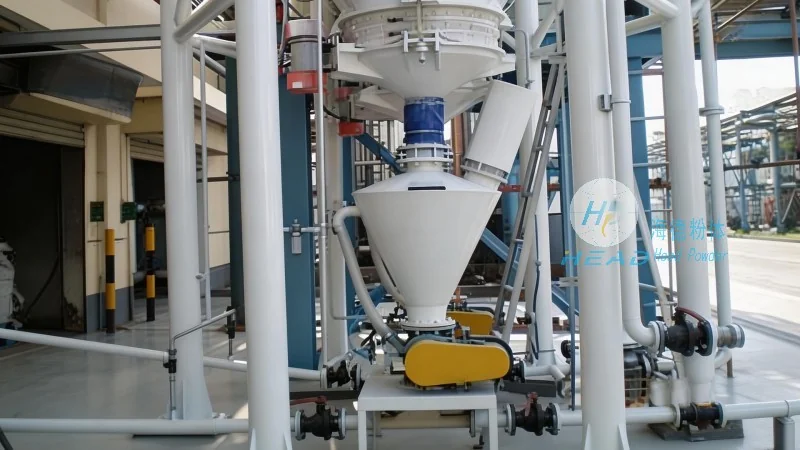
Advantages of Our Pneumatic Conveying Equipment
Our cement clinker pneumatic conveying equipment offers several advantages over traditional mechanical conveying methods. First, it eliminates the need for mechanical components such as conveyor belts, buckets, or screw conveyors, reducing maintenance costs and downtime. The absence of moving parts also minimizes the risk of mechanical failure and wear, leading to longer equipment life. Second, the system is highly flexible and can be easily adapted to different plant layouts and transport distances. It can handle both short and long-distance conveying, making it suitable for various cement production facilities. Third, the pneumatic system provides a clean and dust-free operation, which is essential for maintaining a safe and healthy working environment. The enclosed pipeline and filtration systems prevent dust emissions, reducing the risk of respiratory issues for workers and minimizing environmental impact. Fourth, the equipment is energy-efficient, as the air compressor can be sized to match the exact conveying requirements, avoiding unnecessary energy consumption. The use of high-efficiency compressors and optimized air flow further reduces energy costs. Finally, the system is easy to control and monitor, with advanced control panels that allow operators to adjust parameters in real-time. This enables quick response to changes in production demand and ensures consistent performance. These advantages make our pneumatic conveying equipment a preferred choice for modern cement plants seeking to improve efficiency, reduce costs, and enhance safety.
Conclusion and Application
Shandong HeadPowder Engineering Co., Ltd. provides high-quality cement clinker pneumatic conveying equipment that meets the stringent requirements of the cement industry. Our systems are designed to operate reliably and efficiently, ensuring smooth material transport from the storage silo to the processing stage. The combination of advanced engineering, durable components, and automated control systems makes our equipment a reliable solution for cement production facilities. By understanding the operation process and working principles of our pneumatic conveying systems, customers can make informed decisions about integrating this technology into their operations. Whether for short or long-distance conveying, our equipment is tailored to meet the specific needs of each plant, ensuring optimal performance and cost-effectiveness. With our commitment to quality and customer satisfaction, Shandong HeadPowder Engineering Co., Ltd. is a trusted partner for cement manufacturers seeking to enhance their material handling capabilities.