

Operation Process and Working Principle of Sorghum Distillers' Grains Pneumatic Conveying Equipment
High-quality sorghum distillers' grains material pneumatic conveying equipment is a specialized system designed to efficiently transport and handle the byproduct of sorghum-based alcohol production. This equipment is crucial in the distillery industry for managing the flow of distillers' grains, which are rich in nutrients and widely used as animal feed or in other industrial applications. The following content provides a detailed overview of the operation process and working principle of such equipment, highlighting its key components, operational workflow, and technical advantages.
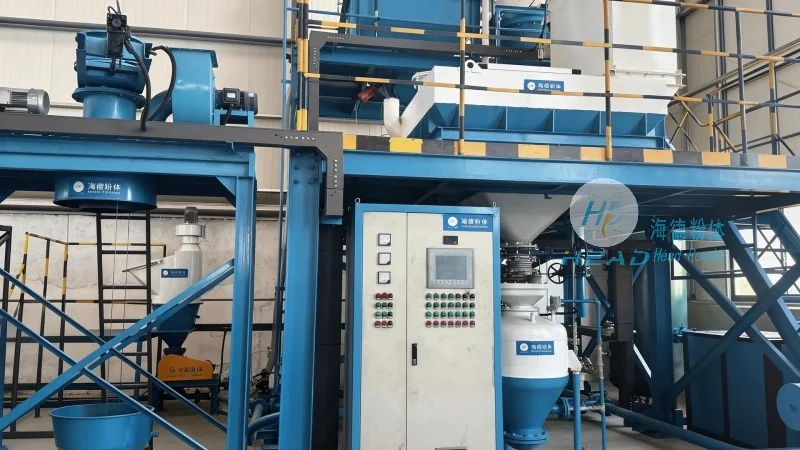
Overview of the Pneumatic Conveying System
The pneumatic conveying system for sorghum distillers' grains operates by using air or gas to move bulk materials through a pipeline network. This method offers several advantages over traditional mechanical conveying systems, including reduced equipment wear, lower maintenance costs, and the ability to handle a wide range of material characteristics. The system typically consists of a hopper for material storage, a blower or compressor to generate the conveying air, a pipeline system for material transport, and a discharge point for the material. The entire setup is engineered to ensure efficient, safe, and reliable material handling, minimizing dust generation and optimizing energy consumption.
Key Components and Their Functions
Several critical components work in tandem to ensure the smooth operation of the pneumatic conveying equipment. The material hopper is the initial storage unit where sorghum distillers' grains are loaded. It is equipped with a feeder, such as a rotary valve or a screw conveyor, which controls the flow rate of the material into the conveying line. The feeder is designed to prevent material bridging and ensure a consistent feed rate, which is essential for maintaining the system's performance. The blower or compressor is the heart of the system, providing the necessary pressure and airflow to move the material through the pipeline. It is typically selected based on the material's density, particle size, and the required conveying distance. The pipeline system, usually made of stainless steel or other corrosion-resistant materials, is designed to withstand the abrasive nature of distillers' grains and the pressure from the conveying air. The pipeline includes bends, elbows, and other fittings that are carefully designed to minimize pressure loss and maintain the material's flow. The discharge point, often a receiver or a silo, collects the conveyed material and allows for further processing or storage. Each component is carefully selected and integrated to ensure optimal performance and durability.
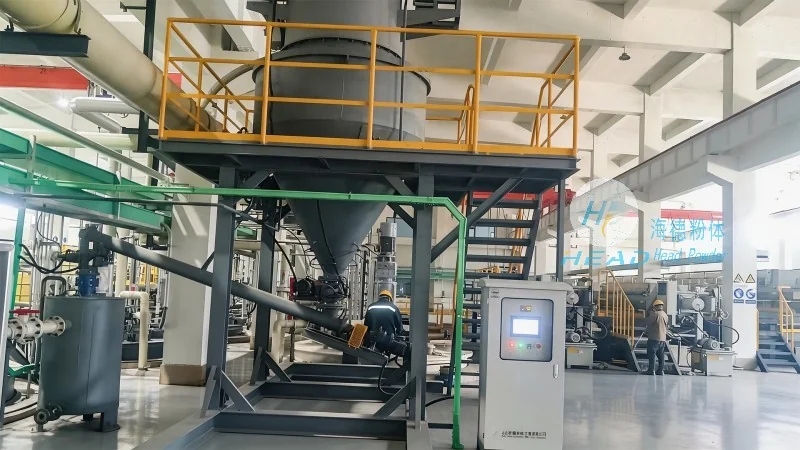
Operation Process and Working Principle
The operation process of the pneumatic conveying equipment for sorghum distillers' grains begins with the loading of the material into the hopper. The feeder then regulates the material flow into the conveying line. The blower or compressor starts, generating the required airflow and pressure. As the material is introduced into the pipeline, it is entrained by the air and carried to the discharge point. The air and material mixture travels through the pipeline, with the material being separated from the air at the discharge point, often through a cyclone separator or a filter. The separated material is collected in the receiver, while the air is either recirculated or vented to the atmosphere. The system is designed to operate continuously, with the feeder and blower working in sync to maintain a steady flow of material. The control system monitors key parameters such as pressure, airflow, and material level, ensuring that the system operates within safe and efficient limits. This continuous operation allows for the efficient handling of large volumes of sorghum distillers' grains, reducing labor costs and improving overall productivity in the distillery.
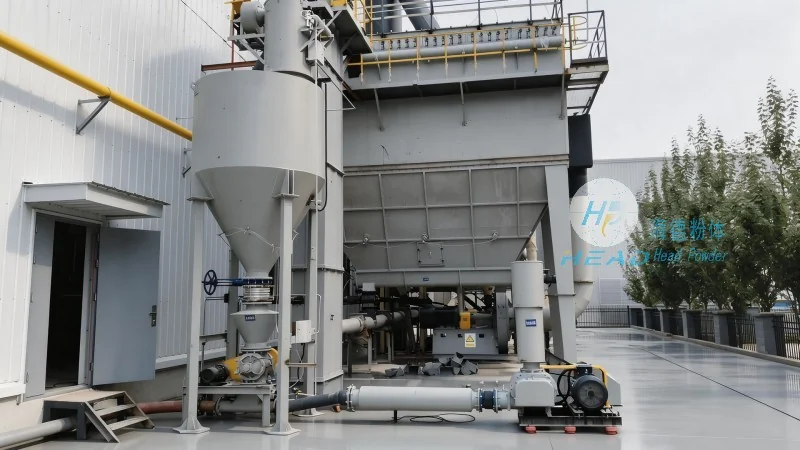
Technical Advantages and Applications
The pneumatic conveying equipment for sorghum distillers' grains offers several technical advantages that make it an ideal choice for modern distilleries. One of the primary advantages is its ability to handle abrasive and sticky materials without causing significant wear or blockages. The system's design minimizes the risk of material buildup and ensures consistent flow, which is crucial for maintaining the quality of the distillers' grains. Another advantage is the reduced dust generation compared to mechanical conveying systems, which improves workplace safety and environmental compliance. The system also offers flexibility in terms of conveying distance and layout, allowing for integration into existing distillery facilities or new plant designs. The equipment is widely used in the distillery industry for transporting distillers' grains from the fermentation and distillation units to storage silos or to feed mills. It is also applicable in other industries where bulk materials need to be handled efficiently, such as in the food processing and agricultural sectors. The system's ability to handle large volumes of material at a time makes it particularly suitable for high-throughput distilleries, where efficient material handling is critical to maintaining production rates and product quality.
About Shandong HeadPowder Engineering Co., Ltd.
Shandong HeadPowder Engineering Co., Ltd., a leading manufacturer in the field of pneumatic conveying equipment, specializes in providing high-quality solutions for material handling in various industries. With years of experience and a commitment to innovation, the company has developed advanced technologies and products that meet the evolving needs of modern industries. The company's products, including the sorghum distillers' grains pneumatic conveying equipment, are designed to offer superior performance, durability, and efficiency. The company's engineering team works closely with clients to understand their specific requirements and provide customized solutions that optimize their material handling processes. HeadPowder Engineering is dedicated to delivering reliable and cost-effective equipment that enhances the productivity and safety of industrial operations. With its headquarters in Shandong, China, the company serves clients both domestically and internationally, offering comprehensive support and after-sales service to ensure customer satisfaction. The company's focus on quality and customer service has earned it a reputation as a trusted partner in the material handling industry.