

[Pneumatic Conveying Operation Process and Working Principle for Thermoplastic Polyurethane Material
Pneumatic conveying systems are widely utilized in industrial applications to transport thermoplastic polyurethane (TPU) materials efficiently and safely. This technology offers a reliable method for moving these materials from one location to another, ensuring minimal product degradation and maintaining consistent quality throughout the process. The operation process and working principle of such systems are critical for optimizing performance and ensuring effective material handling.
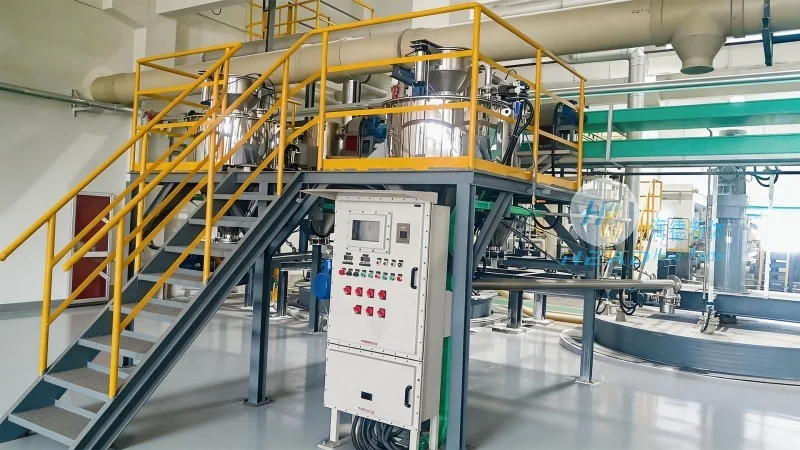
Company Overview: Shandong HeadPowder Engineering Co., Ltd.
Shandong HeadPowder Engineering Co., Ltd., commonly known as HeadPowder, is a leading provider of advanced material handling solutions. With a focus on innovation and precision engineering, the company specializes in designing and manufacturing pneumatic conveying systems tailored to the unique requirements of thermoplastic polyurethane applications. HeadPowder's expertise in this field ensures that clients receive high-quality equipment that meets industry standards and enhances operational efficiency.
Key Components and Operation Process of Pneumatic Conveying Systems
The operation of a pneumatic conveying system for thermoplastic polyurethane materials involves several key components and steps. The system typically includes a hopper for material storage, a conveyor line, a blower or air compressor to generate the necessary air flow, and a receiver for the discharged material. The process begins with the material being fed from the hopper into the conveyor line. As the material enters the line, the air flow from the blower is introduced, creating a pressure differential that propels the material forward. The air and material mixture travels through the pipeline until it reaches the receiver, where the material is separated from the air and collected.
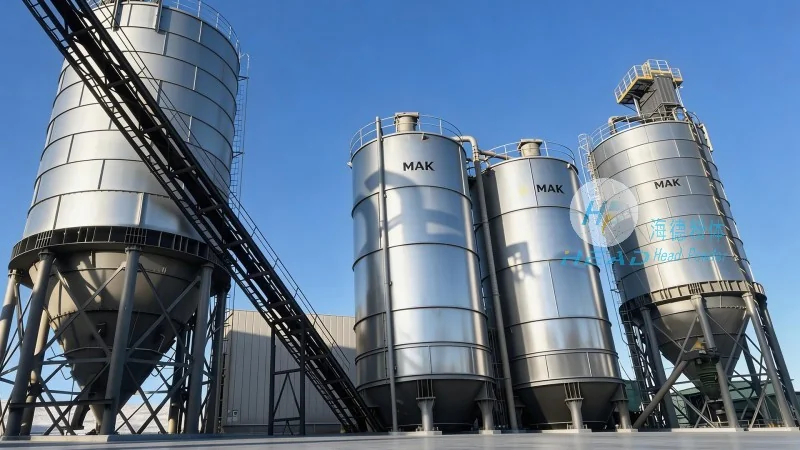
Working Principle: Air Flow and Material Transport Dynamics
The working principle of pneumatic conveying for thermoplastic polyurethane materials relies on the interaction between air flow and the material particles. The system operates on either positive or negative pressure, depending on the specific design and application requirements. In positive pressure systems, the blower supplies compressed air that pushes the material through the pipeline. In negative pressure systems, the blower creates a vacuum that pulls the material into the pipeline. For thermoplastic polyurethane, which can be sensitive to moisture and temperature, the system is designed to maintain optimal conditions, ensuring that the material remains in its desired state during transport.
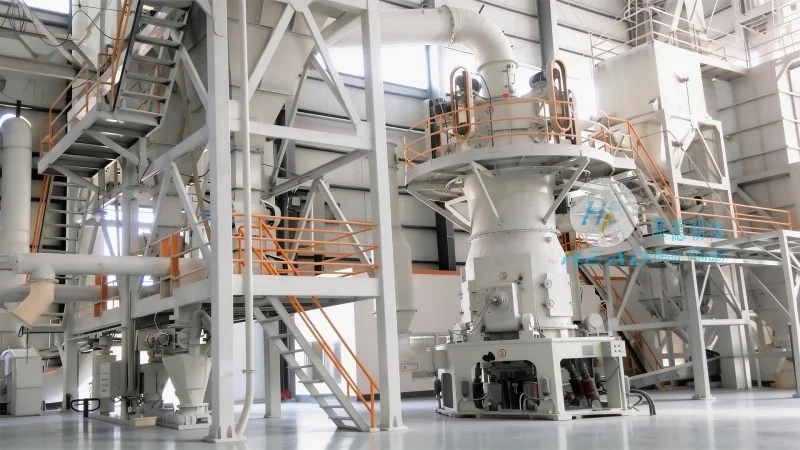
Advantages of Pneumatic Conveying for Thermoplastic Polyurethane
Pneumatic conveying offers several advantages when handling thermoplastic polyurethane materials. These include the ability to transport materials over long distances without the need for multiple transfer points, reduced risk of product contamination due to enclosed systems, and improved safety by eliminating manual handling of potentially hazardous materials. Additionally, the system can be integrated with other processing equipment, such as mixers or extruders, to streamline production workflows and enhance overall efficiency.
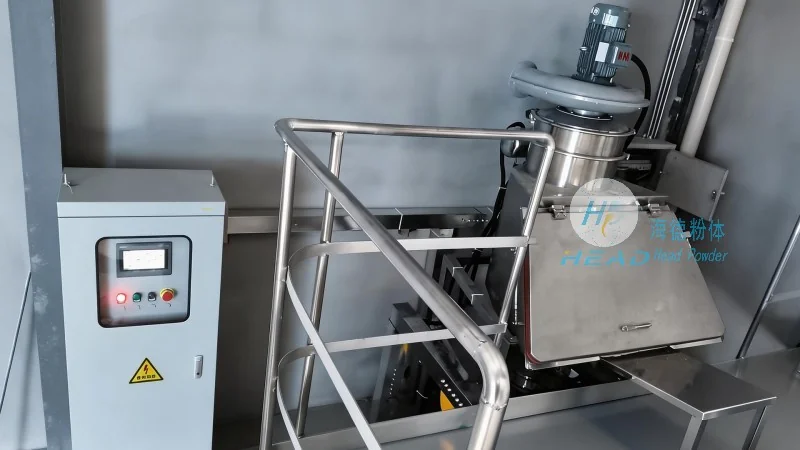
Application Considerations and System Customization
When implementing a pneumatic conveying system for thermoplastic polyurethane, several factors must be considered to ensure optimal performance. These include the material's properties, such as particle size, density, and moisture content, as well as the required conveying distance and throughput. Shandong HeadPowder Engineering Co., Ltd. provides customized solutions tailored to these specific requirements, ensuring that the system is designed to handle the unique characteristics of thermoplastic polyurethane materials effectively. The company's engineering expertise allows for the selection of appropriate components, such as blower size, pipeline diameter, and material of construction, to meet the client's operational needs.
Conclusion: Enhancing Material Handling with Pneumatic Conveying
Pneumatic conveying systems represent a sophisticated and efficient method for handling thermoplastic polyurethane materials. By understanding the operation process and working principle of these systems, industries can optimize their material transport processes, reduce downtime, and improve overall productivity. Shandong HeadPowder Engineering Co., Ltd. continues to lead in the development of advanced material handling solutions, providing reliable and effective pneumatic conveying systems that meet the evolving needs of the thermoplastic polyurethane industry.