

Operation Process and Working Principle of Automatic Feeding Material Pneumatic Conveying System
HeadPowder, a leading provider in the field of material handling and processing, introduces its advanced automatic feeding material pneumatic conveying system. This system is designed to efficiently transport bulk materials from storage to processing units with precision and reliability. The system integrates automated feeding mechanisms with pneumatic conveying technology, ensuring seamless material flow in industrial applications.
Company Profile and Location
HeadPowder, formally known as Shandong HeadPowder Engineering Co., Ltd., is headquartered in Shandong, China. The company specializes in engineering solutions for material handling, focusing on innovative and efficient systems that meet the demands of modern industrial operations. Our location in Shandong provides a strategic base for serving clients across various industries, including food, chemical, and pharmaceutical sectors.
Operation Process of the Pneumatic Conveying System
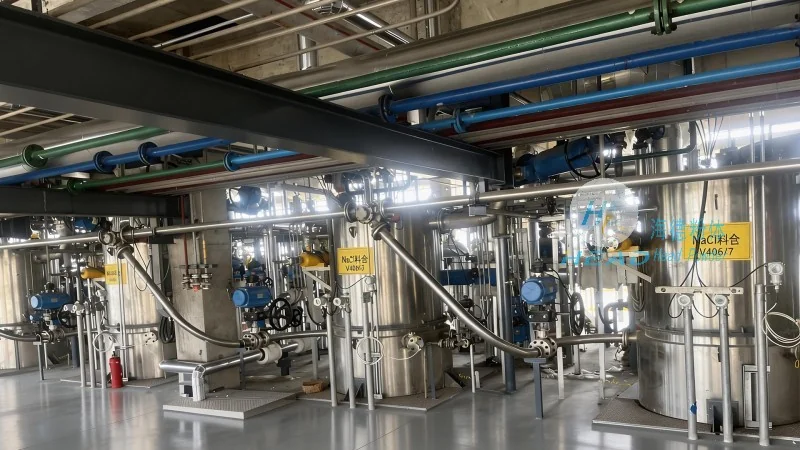
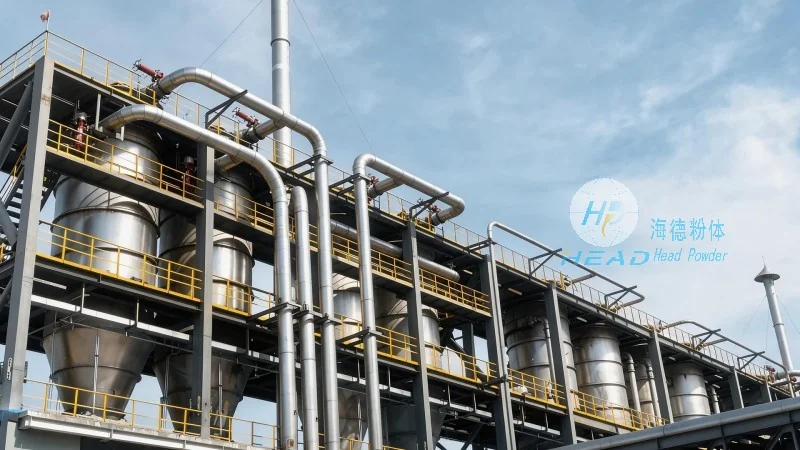
The automatic feeding material pneumatic conveying system operates through a series of coordinated steps to ensure optimal material transport. Initially, bulk materials are stored in a hopper or silo. The system then uses an automated feeding device, such as a rotary valve or screw feeder, to control the flow of material into the conveying line. As the material enters the pipeline, it is propelled by compressed air or other gas, creating a flow that moves the material through the system. The conveying line may include components like bends, filters, and pressure vessels to manage the material's movement and maintain system efficiency. At the destination, the material is discharged into a receiving hopper or processing equipment, completing the cycle. This process is typically automated, with sensors and controls monitoring the system to adjust flow rates and pressure as needed, ensuring consistent performance.
Working Principle of the System
The core of the automatic feeding material pneumatic conveying system lies in its pneumatic transport mechanism. The system utilizes compressed air or gas to create a pressure differential that propels the material through the conveying line. The material is suspended in the air stream, allowing it to be transported over long distances without the need for mechanical components like belts or buckets. This method, known as dilute-phase or dense-phase conveying, depends on the velocity and pressure of the air to maintain the material's suspension. The system's design includes key components such as a blower or air compressor to generate the necessary air pressure, a filter to remove contaminants from the air, and a control panel to regulate the system's operation. The automated feeding mechanism ensures that material is introduced at a controlled rate, preventing overloading and maintaining system stability. The entire process is designed to be energy-efficient and low-maintenance, making it suitable for continuous industrial use.
Key Features and Benefits
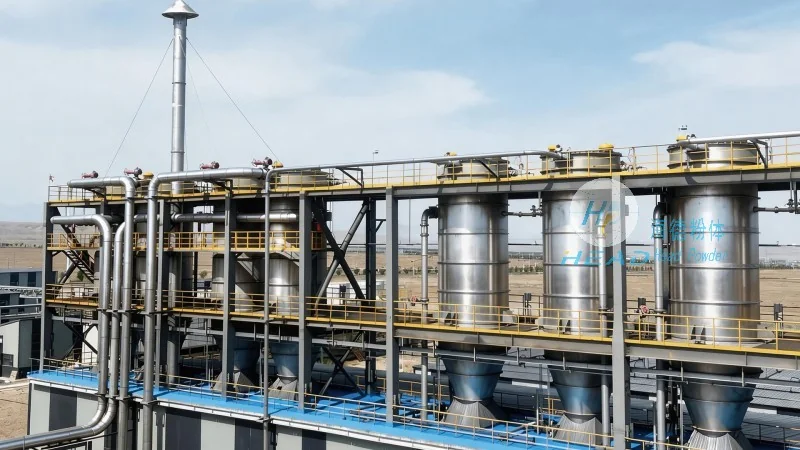
The automatic feeding material pneumatic conveying system offers several advantages that enhance operational efficiency and product quality. One of the primary benefits is the ability to transport materials in a closed system, which helps maintain product integrity and prevents contamination from external factors. The system's automation reduces the need for manual intervention, minimizing human error and improving consistency in material handling. Additionally, the pneumatic conveying method allows for flexible system design, enabling the integration of multiple feeding and discharge points to accommodate complex production layouts. The energy efficiency of the system, particularly in dilute-phase conveying, results in lower operational costs compared to traditional mechanical conveying systems. Furthermore, the system's compact design and minimal moving parts contribute to lower maintenance requirements, reducing downtime and increasing overall productivity.