

Operation Process and Working Principle of Tank Truck Material Pneumatic Conveying System
Understanding the operation process and working principle of tank truck material pneumatic conveying systems is crucial for optimizing material handling efficiency in industrial applications. These systems are designed to transport bulk materials from tank trucks to processing facilities or storage areas using air pressure or vacuum, offering a flexible and efficient solution for various industries such as chemicals, food processing, and mining. The ability to handle a wide range of materials, from fine powders to coarse granules, makes these systems versatile and essential in modern industrial operations.
Key Components of Pneumatic Conveying Systems
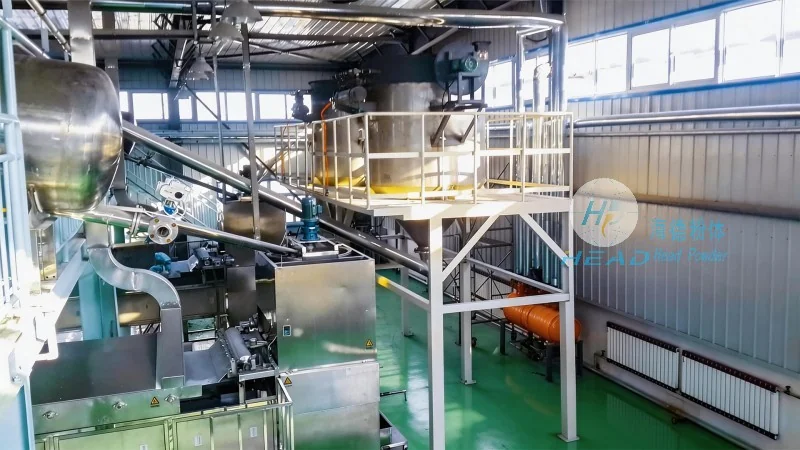
The core components of a tank truck pneumatic conveying system typically include a tank truck, a conveying line, a dust collector, a material receiver, and a control system. The tank truck serves as the primary storage and transport vessel for the bulk material, often equipped with a discharge valve or pump to facilitate material release. The conveying line, often made of stainless steel or other corrosion-resistant materials, is designed to withstand the pressure and temperature of the material being transported. It may include bends, elbows, and other fittings to direct the material flow. A dust collector is integrated to capture and filter airborne particles, ensuring compliance with environmental regulations and maintaining a clean working environment. The material receiver is where the material is deposited after being conveyed, typically equipped with a hopper or bin to store the material. The control system manages the entire process, regulating air pressure, flow rates, and other operational parameters to ensure smooth and safe operation. Sensors and monitoring devices are often included to provide real-time data on system performance and to alert operators of any issues.
Operation Process of Tank Truck Pneumatic Conveying
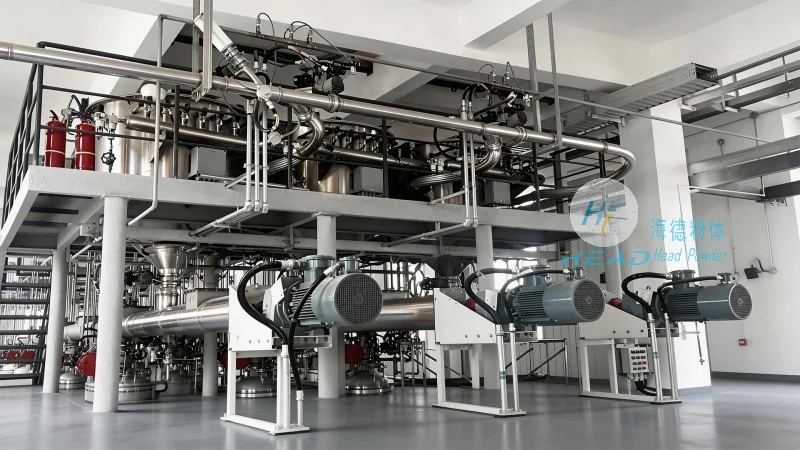
The operation process of a tank truck material pneumatic conveying system involves several key steps, each designed to ensure efficient and safe material transfer. First, the tank truck is positioned at the loading or unloading point, and the material is discharged from the truck into the conveying line. This is typically achieved by creating a vacuum or pressure differential within the system. In positive pressure systems, air is blown into the conveying line, creating a pressure higher than the ambient air, which pushes the material forward. The material is then transported through the conveying line to the material receiver. The control system monitors the flow rate and pressure, adjusting parameters as needed to maintain optimal performance. During the conveying process, the material is suspended in the air stream, and the velocity of the air is carefully controlled to ensure that the particles remain suspended without settling or causing blockages. The system may use various techniques such as pulse-jet or rotary airlock valves to regulate the material flow and prevent clogging. Once the material reaches the receiver, it is deposited and prepared for further processing or storage. The entire process is designed to be automated, reducing the need for manual intervention and minimizing the risk of material spillage or contamination. Regular maintenance and cleaning of the system components are essential to ensure consistent performance and to prevent issues such as clogging or air leaks.
Working Principle of Pneumatic Conveying Systems
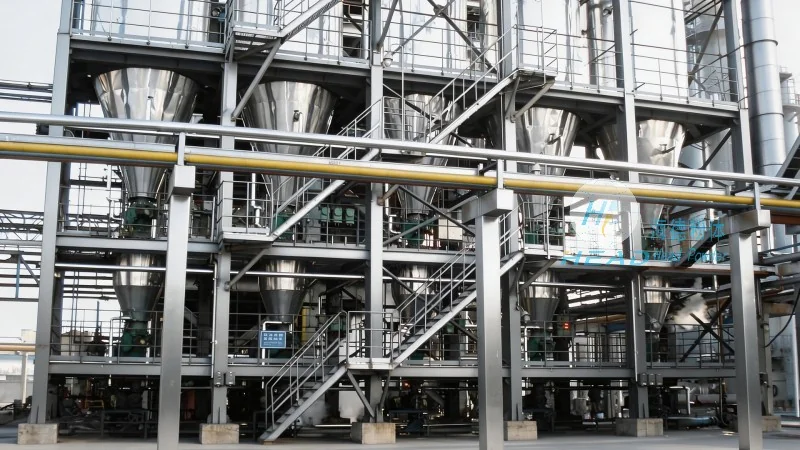
The working principle of tank truck pneumatic conveying systems is based on the fundamental physics of fluid dynamics and particle transport. In positive pressure systems, air is supplied to the conveying line at a pressure higher than the ambient air, creating a pressure differential that propels the material forward. The material particles are suspended in the air stream, and the velocity of the air is maintained at a level sufficient to keep the particles in suspension. The system's design, including the size and shape of the conveying line, the type of air nozzle, and the material's properties, all play a critical role in determining the system's efficiency and capacity. In negative pressure systems, a vacuum is created at the receiving end, drawing the material and air into the line. The vacuum is generated by a fan or blower, and the air flow is controlled to ensure that the material is drawn efficiently without creating excessive dust or noise. The material is carried by the air stream, and the velocity of the air is carefully controlled to ensure that the particles remain suspended without settling or causing blockages. The system may use various techniques such as cyclone separators or bag filters to separate the material from the air stream and collect the material in the receiver. Proper maintenance and regular inspections are essential to ensure the system operates at peak performance and to prevent issues such as clogging or air leaks. The working principle of these systems is a balance between air flow and material flow, ensuring that the material is transported efficiently and safely.