

Operation Process and Working Principle of Tonne Bag Material Pneumatic Conveying System
Understanding the operation process and working principle of a tonne bag material pneumatic conveying system is crucial for optimizing material handling efficiency in industrial settings. This system is designed to transport bulk materials, typically in large quantities, from one location to another using air pressure or vacuum. The following sections will delve into the detailed operation process and the underlying working principles of such a system.
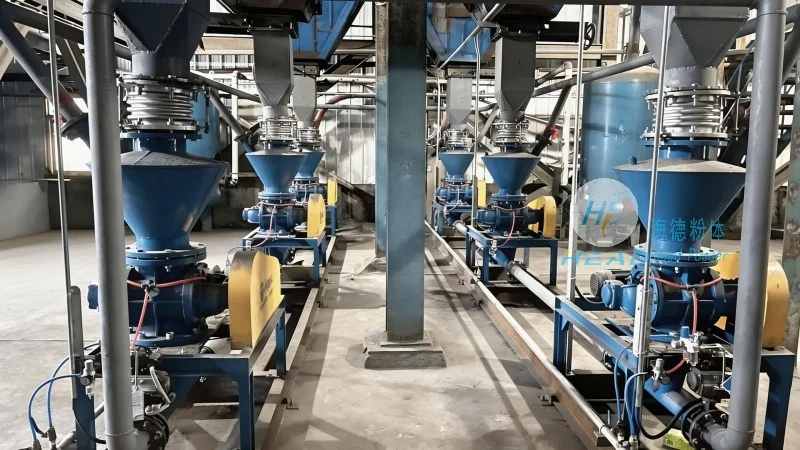
System Overview and Key Components
The tonne bag material pneumatic conveying system comprises several critical components that work in tandem to ensure smooth material transport. These include the hopper or feeder for material storage, the air compressor or vacuum pump to generate the necessary air flow, the conveying line (usually made of metal or flexible tubing), and the discharge point where the material is released. Additionally, control valves, filters, and dust collectors are often integrated to manage air quality and prevent material degradation. The system is engineered to handle various bulk materials, such as powders, granules, and fine particles, with minimal loss and maximum efficiency.
Operation Process: Step-by-Step Guide
The operation of a tonne bag material pneumatic conveying system typically follows a sequential process. First, the material is loaded into the hopper or feeder from the tonne bags. The feeder then regulates the flow of material into the conveying line. Simultaneously, the air compressor or vacuum pump generates the required air pressure or vacuum. The air and material mixture is then propelled through the conveying line to the discharge point. At the discharge end, the material is separated from the air, often using a cyclone separator or a filter, and collected in the receiving container. The system may also include a return line for the air, which is filtered and recycled to reduce energy consumption and environmental impact.
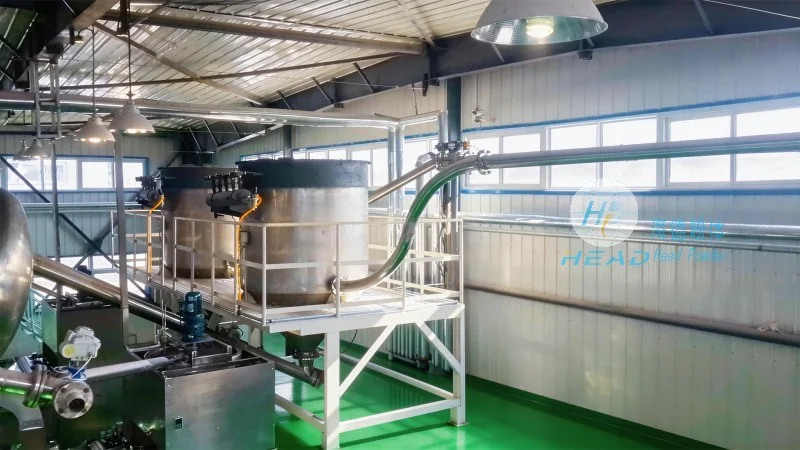
Working Principle: How It Transports Materials
The core working principle of the pneumatic conveying system relies on the interaction between air and material particles. In a pressure system, air is forced through the conveying line at a high velocity, creating a low-pressure zone that draws the material particles into the air stream. The material is then carried along the line by the air flow. In a vacuum system, the vacuum pump creates a negative pressure that pulls the material and air mixture into the line. The air velocity and pressure are carefully controlled to ensure the material is transported without clogging or degradation. The system's design, including the size of the conveying line, the air flow rate, and the material's properties, all play a critical role in determining the efficiency and effectiveness of the transport process.
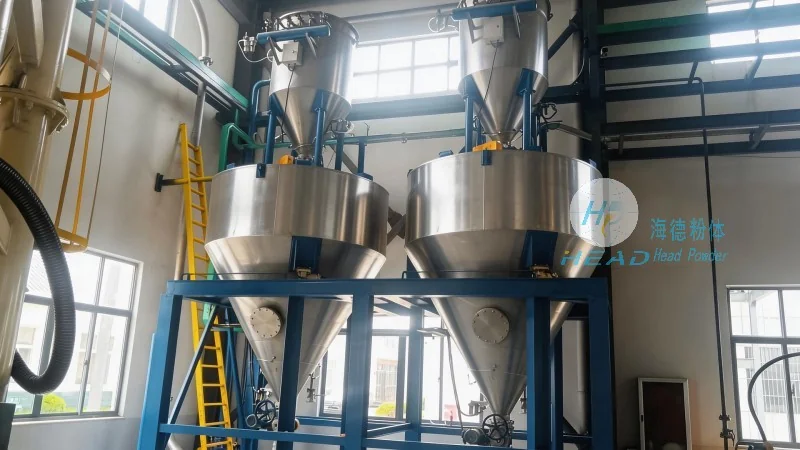
Benefits and Applications
Implementing a tonne bag material pneumatic conveying system offers several advantages in industrial operations. It provides a dust-free and enclosed transport method, reducing health hazards and environmental pollution. The system is also capable of handling a wide range of materials, from fine powders to coarse granules, with minimal maintenance requirements. Additionally, it allows for flexible routing of the conveying line, enabling material transport over long distances or around obstacles. These benefits make the system suitable for various industries, including pharmaceuticals, food processing, chemicals, and mining, where efficient and safe material handling is essential.
Conclusion and Company Information
In conclusion, the tonne bag material pneumatic conveying system is a sophisticated and efficient solution for bulk material transport. Its operation process, which involves material loading, air generation, and controlled transport, combined with the underlying working principles of air and material interaction, ensures reliable and effective material handling. As a leading provider in this field, Shandong HeadPowder Engineering Co., Ltd. specializes in designing and manufacturing such systems to meet the diverse needs of industrial clients. With a focus on quality and innovation, the company delivers solutions that enhance operational efficiency and safety in material handling processes.