

Operation Process and Working Principle of Fish Meal Material Pneumatic Conveying System
For fish meal processing facilities, efficient material handling is crucial to maintaining production efficiency and product quality. The pneumatic conveying system for fish meal materials is a key component that ensures smooth material transport from raw material storage to processing lines. This article will delve into the operation process and working principle of such a system, highlighting its importance and the technical aspects that make it effective.
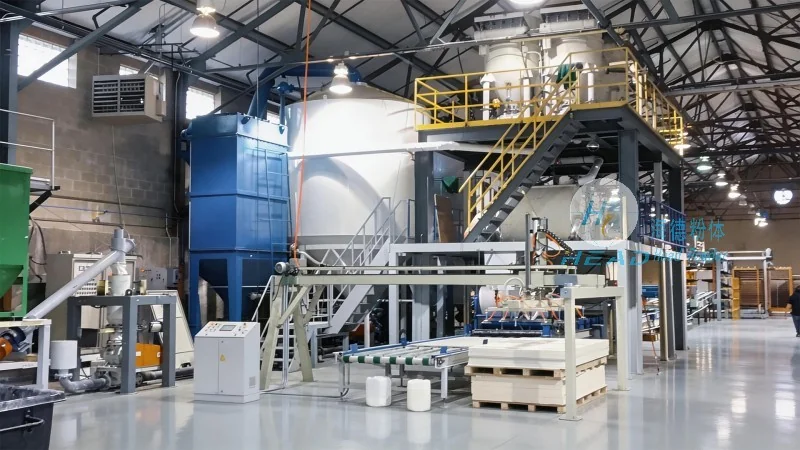
Overview of Fish Meal Pneumatic Conveying Systems
Fish meal is a high-value protein product derived from fish processing, and its production involves multiple stages including cleaning, grinding, drying, and packaging. The pneumatic conveying system plays a vital role in transporting fish meal and related raw materials like fish meal powder, fish oil, and other by-products. Unlike traditional mechanical conveyors, pneumatic systems use air pressure to move materials, offering advantages such as low maintenance, minimal product contamination, and the ability to handle fine powders without clogging.
Key Components of the Pneumatic Conveying System
The fish meal pneumatic conveying system typically consists of several core components that work in coordination to achieve efficient material transport. These include the material hopper, which stores the fish meal or raw material; the air compressor or blower, which generates the necessary air pressure; the conveying line, usually made of stainless steel or plastic to prevent corrosion and contamination; the control valve and regulator, which manage the air flow and pressure; and the receiver or discharge hopper, where the material is collected after transport.
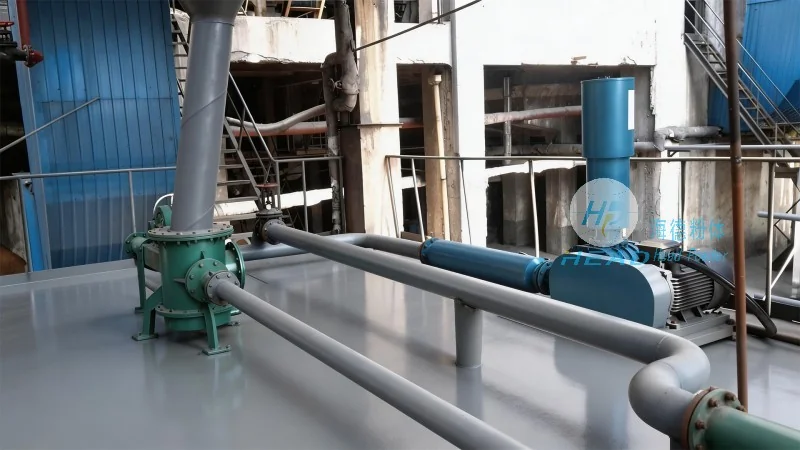
Operation Process of the Pneumatic Conveying System
The operation process of the fish meal pneumatic conveying system involves several sequential steps. First, the raw fish meal or powder is fed into the material hopper from the storage silo. The hopper is equipped with a feeder, such as a rotary valve or screw feeder, which controls the material flow rate. Next, the air compressor starts and generates high-pressure air, which is directed into the conveying line. The air pressure forces the material to move through the line, creating a slurry of air and material. The conveying line may include bends, filters, and pressure relief valves to ensure smooth transport and prevent blockages. Finally, the material is discharged into the receiver hopper, where it is stored or further processed.
Working Principle of the Pneumatic Conveying System
The working principle of the pneumatic conveying system is based on the principle of fluidization and drag. When high-pressure air is introduced into the conveying line, it creates a low-pressure zone that draws the material into the line. The air and material mixture moves through the line due to the pressure difference between the hopper and the receiver. The system can operate in either positive pressure or negative pressure mode. In positive pressure mode, the air compressor pushes air and material through the line, while in negative pressure mode, the system uses a vacuum to pull material from the hopper. The choice of mode depends on the material characteristics, distance to be conveyed, and system design. The system also includes filters and cyclones to separate the material from the air, ensuring that the air is clean and the material is free of contaminants.
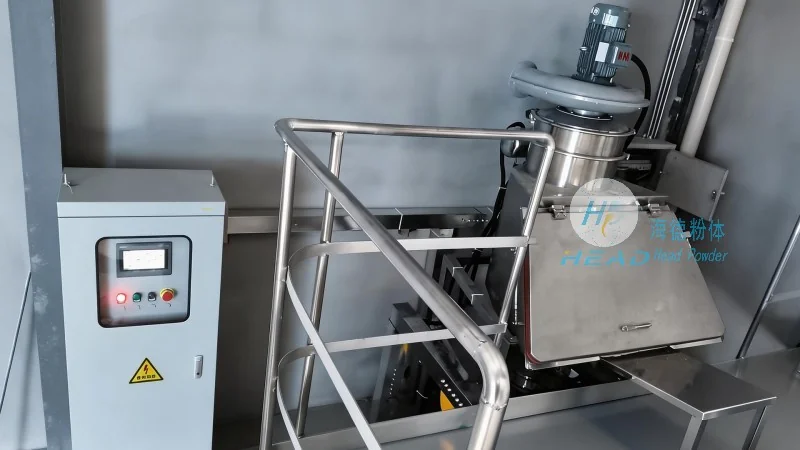
Advantages of Using Pneumatic Conveying for Fish Meal Materials
Compared to traditional mechanical conveyors, the pneumatic conveying system offers several advantages for fish meal materials. First, it provides a hygienic and clean environment, which is essential for food processing applications. The stainless steel or plastic components prevent contamination from external sources and ensure that the fish meal remains free of bacteria or other pollutants. Second, the system is low maintenance, as there are no moving parts in the conveying line, reducing the risk of wear and tear. Third, it can handle fine powders and granules without clogging, which is critical for fish meal, as it is often a fine powder. Fourth, the system is flexible and can be easily adjusted to handle different material flow rates and distances. Finally, the system is energy-efficient, as it uses less power than mechanical conveyors for the same material transport capacity.
HeadPowder Engineering: Expert in Fish Meal Pneumatic Conveying Solutions
Shandong HeadPowder Engineering Co., Ltd. is a leading manufacturer and supplier of pneumatic conveying systems for fish meal and other food processing applications. With years of experience in the industry, the company has developed a range of high-quality systems that meet the specific needs of fish meal processing facilities. The company's systems are designed to be efficient, reliable, and easy to maintain, ensuring that customers can achieve optimal production performance and product quality. HeadPowder Engineering provides comprehensive services, including system design, installation, and after-sales support, to ensure that customers get the best possible solution for their material handling needs.