

How to Design a Rational Phosphoric Acid Calcium Pneumatic Conveying System Plan
When it comes to the efficient and reliable transportation of phosphoric acid calcium, a well-designed pneumatic conveying system is crucial. This article will guide you through the key considerations and steps involved in creating a rational plan for such a system, ensuring optimal performance and longevity.
Understanding the Core Requirements of Phosphoric Acid Calcium Pneumatic Conveying
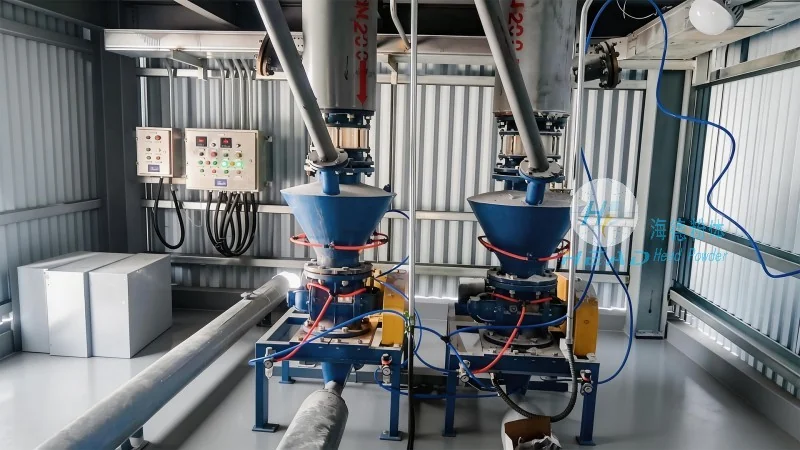
Phosphoric acid calcium, a common material in the chemical and fertilizer industries, presents unique challenges during transportation due to its particle size, density, and flow characteristics. A successful system design must account for these factors to prevent issues like blockages, degradation, or excessive energy consumption. The first step is to clearly define the material properties, such as particle size distribution, moisture content, and bulk density, as these directly impact the choice of conveying method and equipment.
Choosing the Right Pneumatic Conveying System Type
There are two primary types of pneumatic conveying systems: positive pressure and negative pressure. The selection depends on the material's characteristics, distance to be conveyed, and system layout. Positive pressure systems use a blower to push air and material through the pipeline, which is ideal for long distances or when handling abrasive materials. Negative pressure systems, on the other hand, use a vacuum to draw material into the system, suitable for short distances or when the material is sensitive to pressure changes. For phosphoric acid calcium, a positive pressure system is often preferred due to its ability to handle larger particles and maintain consistent flow rates.
System Layout and Pipeline Design Considerations
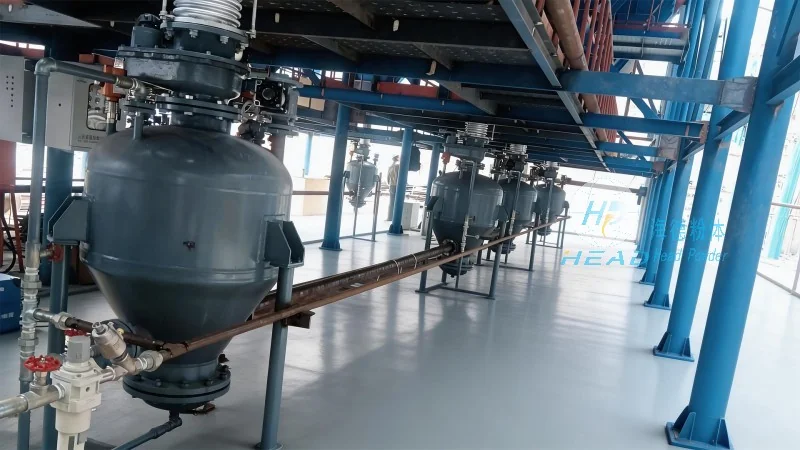
The layout of the pneumatic conveying system significantly affects its efficiency. Key elements include the material feed point, the conveying line, and the discharge point. The pipeline should be designed with appropriate slopes to prevent material settling or blockages. For vertical sections, the use of pulse-jet or rotary airlocks can help maintain flow. The diameter of the pipeline is critical; too small a diameter leads to high pressure drops and energy consumption, while too large a diameter increases system cost and space requirements. Typically, a pipeline diameter of 100-200 mm is suitable for most phosphoric acid calcium applications, depending on the material flow rate and particle size.
Equipment Selection and Integration
Several key pieces of equipment are essential for a phosphoric acid calcium pneumatic conveying system. The material feeder, such as a rotary valve or a screw feeder, ensures a consistent material feed into the system. The air compressor or blower provides the necessary air pressure to move the material. The filter and cyclone separator are critical for maintaining air quality and preventing material buildup in the system. The choice of equipment depends on the system's capacity, the material's properties, and the required pressure and flow rates. For example, a high-capacity system may require a large blower with a high pressure rating, while a smaller system might use a rotary airlock and a smaller blower.
System Control and Monitoring
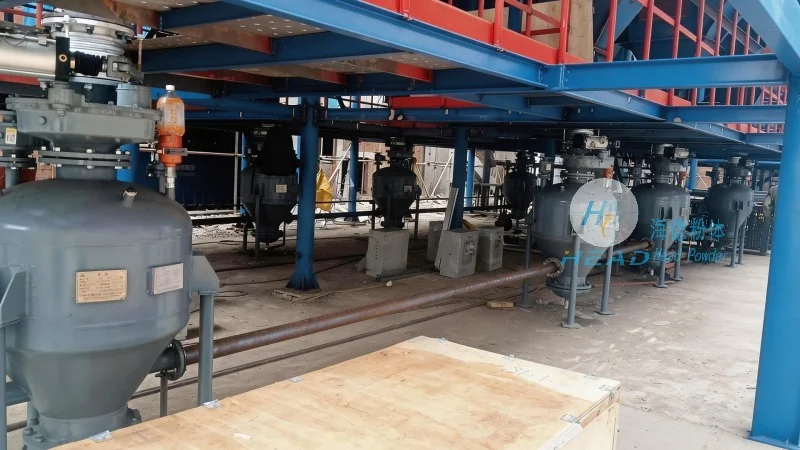
Effective control and monitoring are vital to ensure the system operates efficiently and safely. This includes sensors to monitor pressure, flow rate, and material level. Automated controls can adjust the blower speed or feeder rate based on real-time conditions, optimizing energy use and preventing overloading. Regular maintenance is also essential to keep the system running smoothly. This includes cleaning filters, checking for wear and tear on components, and replacing parts as needed. A well-maintained system will have fewer breakdowns and lower long-term operating costs.
Case Study: A Successful Implementation by Shandong HeadPowder Engineering Co., Ltd.
Shandong HeadPowder Engineering Co., Ltd., a leading provider of engineering solutions in the chemical industry, has successfully designed and implemented numerous phosphoric acid calcium pneumatic conveying systems. With a focus on custom solutions tailored to each client's specific needs, the company has helped clients improve their material handling efficiency and reduce operational costs. For instance, one client in China, located in Shandong province, implemented a positive pressure pneumatic conveying system designed by HeadPowder. The system, featuring a 150 mm pipeline, a high-capacity blower, and a rotary valve feeder, was able to transport phosphoric acid calcium over a distance of 200 meters with minimal pressure drop and high material flow rates. The client reported a significant reduction in labor costs and material handling time, as well as improved product quality due to reduced material degradation.