

How to Design a Reasonable Potassium Hydroxide Pneumatic Conveying System Plan?
When designing a pneumatic conveying system for potassium hydroxide, it is crucial to consider several factors to ensure efficiency, safety, and cost-effectiveness. This guide outlines key considerations and steps to develop a well-planned system, tailored to the specific needs of your operation.
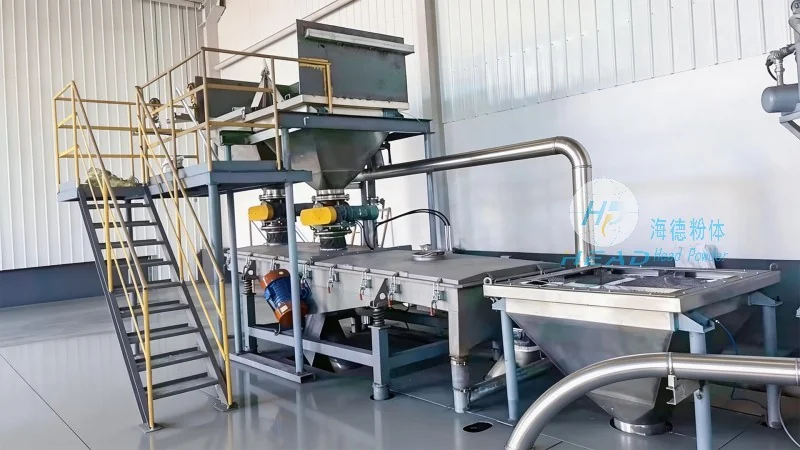
About HeadPowder Engineering
HeadPowder, a division of Shandong HeadPowder Engineering Co., Ltd., specializes in engineering solutions for material handling and processing. With a focus on precision and reliability, our team provides expert consultation and system design for industrial applications, including the handling of caustic materials like potassium hydroxide. Our headquarters are located in Shandong, China, where we leverage local expertise and resources to deliver high-quality solutions.
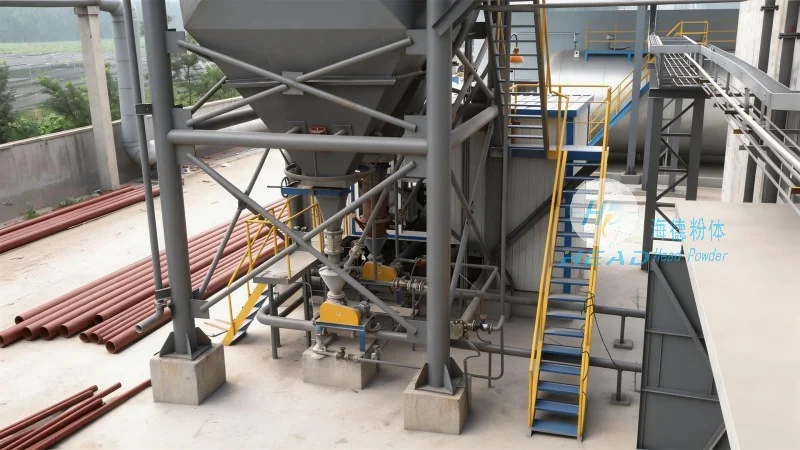
Key Design Considerations for Pneumatic Conveying
Designing a pneumatic conveying system for potassium hydroxide requires a thorough understanding of the material's properties and the operational environment. Several critical factors must be evaluated to ensure optimal performance:
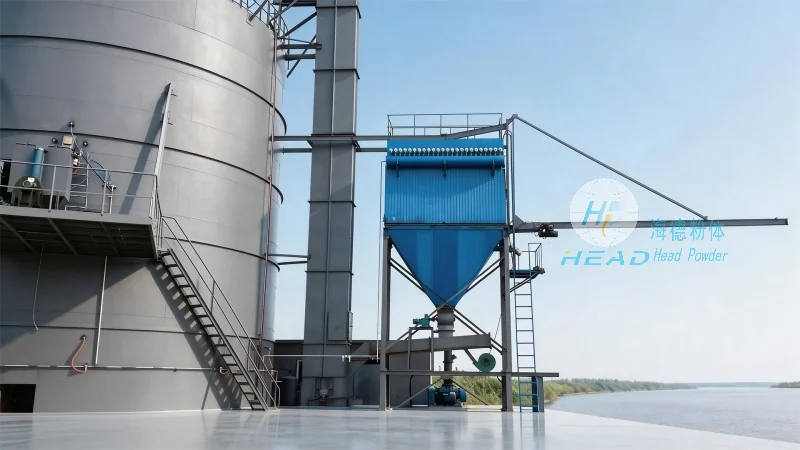
- Material Characteristics: Potassium hydroxide is a caustic solid with specific bulk density, flowability, and abrasiveness. These properties influence the choice of conveying method (e.g., dilute-phase or dense-phase) and equipment selection.
- System Capacity and Flow Rate: The required throughput and flow rate determine the size of the conveyor, air compressor, and associated components. Accurate estimation of production needs is essential to avoid over or under-sizing the system.
- Conveying Distance and Layout: The distance and layout of the system (e.g., vertical or horizontal runs) impact the air pressure and power requirements. Longer or more complex layouts may necessitate additional boosters or changes in system design.
- Environmental and Safety Regulations: Handling caustic materials like potassium hydroxide involves compliance with safety standards and environmental regulations. Proper ventilation, containment, and emergency shutdown procedures are critical to ensure workplace safety.
Equipment Selection for Potassium Hydroxide Conveying
Choosing the right equipment is vital for the success of a potassium hydroxide pneumatic conveying system. Key components include:
- Air Compressor: A high-efficiency, oil-free compressor is recommended to avoid contamination of the caustic material. The compressor's capacity must match the system's air demand to maintain consistent flow.
- Conveying Hoses or Pipes: Materials such as stainless steel or PTFE are commonly used to resist corrosion from potassium hydroxide. The diameter and length of the hoses or pipes are selected based on the flow rate and pressure requirements.
- Feeders and Metering Devices: Proper feeding equipment, such as rotary valves or screw feeders, ensures consistent material flow into the system, preventing blockages and maintaining system efficiency.
- Separators and Filters: To prevent material buildup and maintain air quality, separators and filters are essential. These components remove excess material from the air stream, protecting downstream equipment and ensuring clean operation.
System Layout and Installation
The layout of the pneumatic conveying system should be designed to minimize material handling distances and reduce energy consumption. Vertical and horizontal runs should be planned to optimize air pressure and flow. Additionally, proper grounding and electrical safety measures are necessary to prevent hazards associated with caustic materials and compressed air.
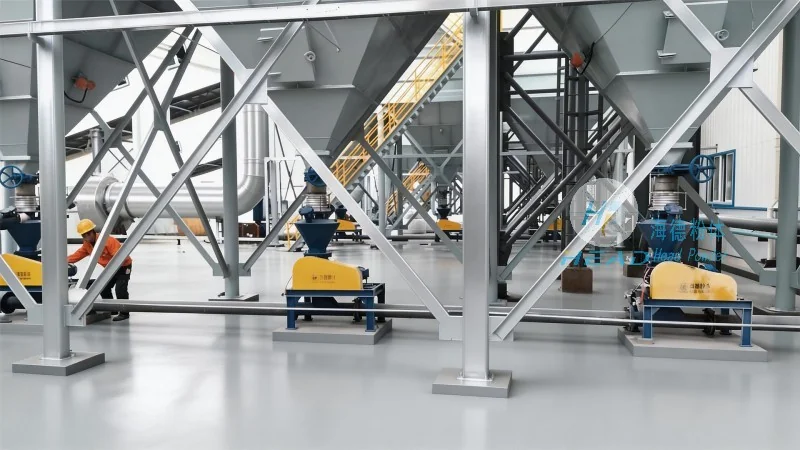
Maintenance and Operational Best Practices
Regular maintenance is crucial to ensure the longevity and efficiency of a potassium hydroxide pneumatic conveying system. This includes: