

Operation Process and Working Principle of Aluminum Dross Powder Pneumatic Conveying Line
Aluminum dross, a byproduct of aluminum smelting and processing, poses significant challenges in handling due to its abrasive nature and variable particle size. The aluminum dross powder pneumatic conveying line is a specialized system designed to efficiently transport this material from one location to another while maintaining operational safety and system integrity. This article provides a detailed overview of the operation process and working principle of such a system, highlighting the key components, operational mechanisms, and practical considerations for effective dross handling.
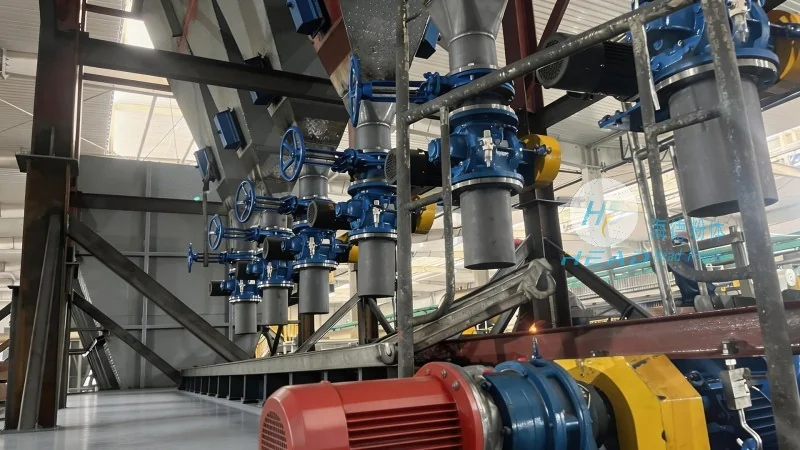
Company Profile: HeadPowder Engineering
HeadPowder Engineering, operating under the brand name HeadPowder, is a leading manufacturer and supplier of industrial material handling solutions. With a strong presence in Shandong, China, the company specializes in developing customized pneumatic conveying systems tailored to the unique requirements of aluminum processing industries. HeadPowder's expertise lies in integrating advanced engineering principles with robust manufacturing practices to deliver reliable and efficient dross handling equipment. The company's commitment to quality and innovation has established it as a trusted partner for aluminum smelters and recycling facilities worldwide.
Working Principle of Pneumatic Conveying for Aluminum Dross
The aluminum dross powder pneumatic conveying line operates on the fundamental principle of using compressed air or gas to transport particulate materials through a pipeline system. The system typically consists of a series of components, including a hopper for material storage, a feeder to control the flow rate, a conveying line with appropriate pipe diameter and material of construction, and a receiver for the discharged material. The process begins with the aluminum dross being fed into the hopper, where it is held in place by gravity or a mechanical seal. As the conveying system is activated, compressed air is introduced into the hopper, creating a pressure differential that propels the dross particles through the pipeline.
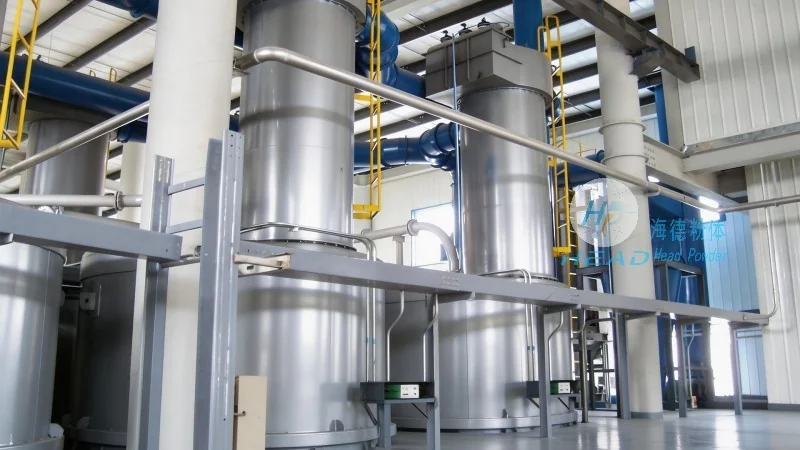
Key Components and Their Functions
Several critical components work in tandem to ensure the smooth operation of the aluminum dross pneumatic conveying system. The material hopper serves as the primary storage vessel, designed to accommodate the bulk volume of dross while preventing material bridging or clogging. The feeder, often a rotary valve or a screw feeder, regulates the flow rate of the dross into the conveying line, ensuring a consistent and controlled feed. The conveying line itself is constructed from materials resistant to corrosion and abrasion, such as stainless steel or high-grade plastic, to withstand the harsh conditions of aluminum dross handling. The receiver, typically a hopper or a storage tank, collects the conveyed dross at the destination point, completing the material transport cycle.
Operation Process: Step-by-Step Overview
The operation of the aluminum dross powder pneumatic conveying line follows a systematic sequence of steps, each designed to optimize material transport efficiency and minimize system downtime. The process starts with the loading of aluminum dross into the hopper, where the material is stored until needed. Once the conveying system is activated, the feeder begins to discharge the dross at a controlled rate. Simultaneously, compressed air is introduced into the hopper, creating a pressure that forces the dross particles into the conveying line. As the dross travels through the pipeline, it is propelled by the air flow, which can be either positive pressure (where air moves material forward) or negative pressure (where air is drawn through the line, pulling material along). The velocity of the air and the size of the particles determine the optimal conveying velocity, which is crucial for preventing material deposition or blockages in the pipeline.
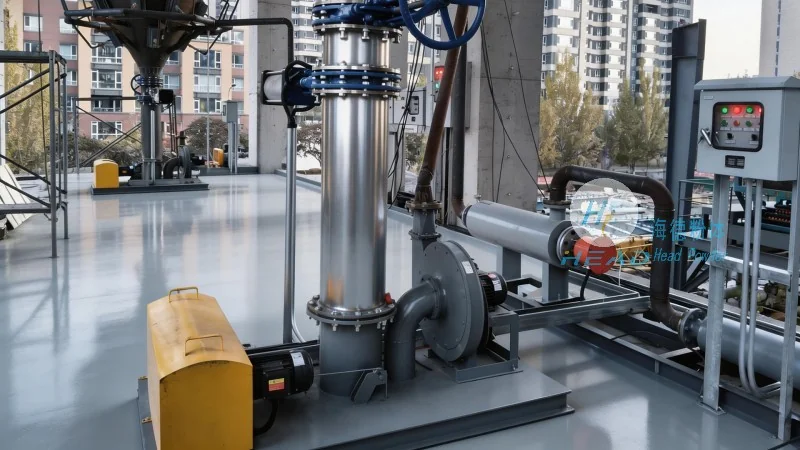
Control and Monitoring Systems
Modern aluminum dross pneumatic conveying lines are equipped with advanced control and monitoring systems to ensure safe and efficient operation. These systems typically include pressure sensors, flow meters, and level indicators that provide real-time data on the system's performance. The control panel allows operators to adjust the air pressure, flow rate, and feeding speed according to the material characteristics and system requirements. Additionally, alarms and safety interlocks are integrated to prevent overpressure, blockages, or other operational hazards. By monitoring key parameters such as pressure drop, air flow rate, and material level, the system can automatically adjust its operation to maintain optimal performance and prevent equipment damage.
Advantages of Pneumatic Conveying for Aluminum Dross
The aluminum dross powder pneumatic conveying line offers several advantages over traditional material handling methods, such as belt conveyors or bucket elevators. One of the primary benefits is the ability to transport dross in a closed system, which minimizes dust emissions and improves environmental compliance. The system also provides a high degree of flexibility, as it can be easily reconfigured to accommodate changes in material flow rates or destination points. Additionally, pneumatic conveying systems are capable of handling abrasive materials like aluminum dross without causing excessive wear on the equipment. The enclosed nature of the system also reduces the risk of material contamination and improves overall hygiene, which is particularly important in aluminum recycling operations.
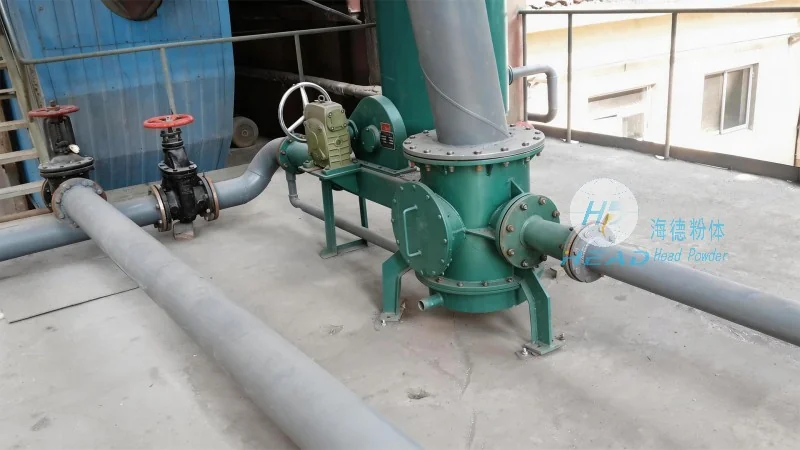
Maintenance and Operational Considerations
To ensure the long-term reliability and efficiency of the aluminum dross pneumatic conveying line, regular maintenance and proper operational practices are essential. Routine inspections should be conducted to check for signs of wear or damage in the hopper, feeder, and conveying line. The system should be cleaned periodically to remove accumulated dross and prevent blockages. Additionally, the compressed air system should be maintained to ensure consistent pressure and air quality. Operators should be trained to recognize and respond to system alarms and to follow proper safety procedures when handling aluminum dross. By adhering to these maintenance and operational guidelines, the system can achieve high availability and minimize downtime, ensuring continuous and efficient dross handling.
Conclusion
The aluminum dross powder pneumatic conveying line is a critical component in the aluminum processing industry, enabling the safe and efficient transport of abrasive and variable materials. Through its integrated system of components and advanced control mechanisms, the line operates effectively, minimizing environmental impact and maximizing operational efficiency. HeadPowder Engineering, with its expertise in industrial material handling, provides reliable solutions for aluminum dross handling, contributing to the sustainability and productivity of aluminum smelting and recycling operations worldwide.