

Operation Process and Working Principle of Bulk Bag Unpacking Powder Pneumatic Conveying Line
HeadPowder, a leading engineering company based in Shandong, China, specializes in the design and implementation of advanced bulk bag unpacking and powder pneumatic conveying systems. These systems are engineered to efficiently handle the transfer of bulk powders from large bulk bags into processing facilities, ensuring minimal product loss and maintaining product integrity throughout the process. The following sections detail the operational process and underlying principles of such systems, highlighting the key components and their functions.
Key Components of the System
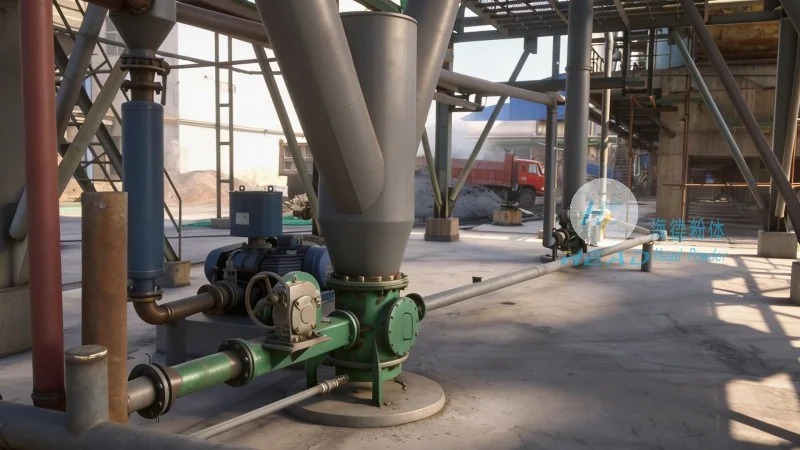
The bulk bag unpacking powder pneumatic conveying line typically consists of several critical components that work in concert to achieve seamless material transfer. At the core of the system is the bulk bag unloader, which is responsible for opening and emptying the bag. This component is often equipped with a hopper or a discharge chute that channels the material into the conveying system. The unloader may also feature a sealing mechanism to prevent dust emissions and maintain environmental compliance. Additionally, the system includes a pneumatic conveying pipeline, which can be either positive or negative pressure, depending on the specific application requirements. The pipeline is connected to a receiver or a storage silo where the material is deposited. Other essential components include a dust filter system to capture and collect any airborne particles, a control panel for monitoring and regulating the operation, and a material handling device such as a rotary valve or a feeder to regulate the flow rate.
Operation Process: Step-by-Step Overview
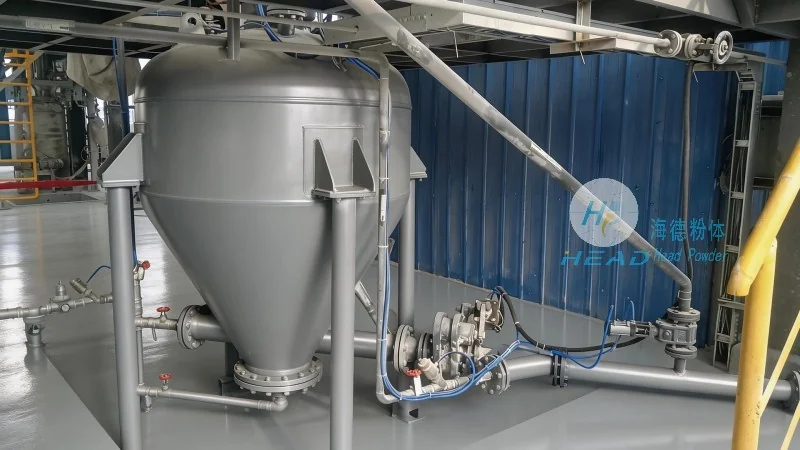
The operation of a bulk bag unpacking powder pneumatic conveying line involves a series of coordinated steps to ensure efficient and safe material transfer. The process begins with the placement of the bulk bag onto the unloader frame. The bag is then secured, and the unloader mechanism is activated to open the bag and allow the material to flow into the hopper. Simultaneously, the pneumatic conveying system is prepared, with the air compressor or vacuum pump started to establish the necessary pressure or vacuum. As the material enters the hopper, it is drawn into the conveying pipeline by the air flow. The material is then transported through the pipeline to the receiver, where it is deposited. The control panel monitors the flow rate and pressure, adjusting the air supply as needed to maintain optimal conveying conditions. The system continues to operate until the bulk bag is completely emptied. After the bag is empty, the unloader is reset, and the process can be repeated for the next bag.
Working Principle: How the System Transfers Powder
The working principle of the bulk bag unpacking powder pneumatic conveying line is based on the fundamental principles of fluid dynamics and material handling. The system utilizes either positive pressure or negative pressure to move the powder through the pipeline. In positive pressure systems, an air compressor generates compressed air that is introduced into the conveying pipeline, creating a pressure differential that propels the powder forward. The powder is suspended in the air stream and transported to the receiver. In negative pressure systems, a vacuum pump creates a vacuum in the pipeline, drawing the powder from the source (the bulk bag) towards the receiver. The choice between positive and negative pressure depends on factors such as the material's properties, the distance to be conveyed, and the desired flow rate. The system also incorporates a dust filtration system to capture any fine particles that may be generated during the unloading process, ensuring that the material remains clean and free from contaminants. This filtration system typically consists of a filter bag or a cartridge filter that traps the particles, allowing clean air to be released back into the environment.
Benefits and Applications
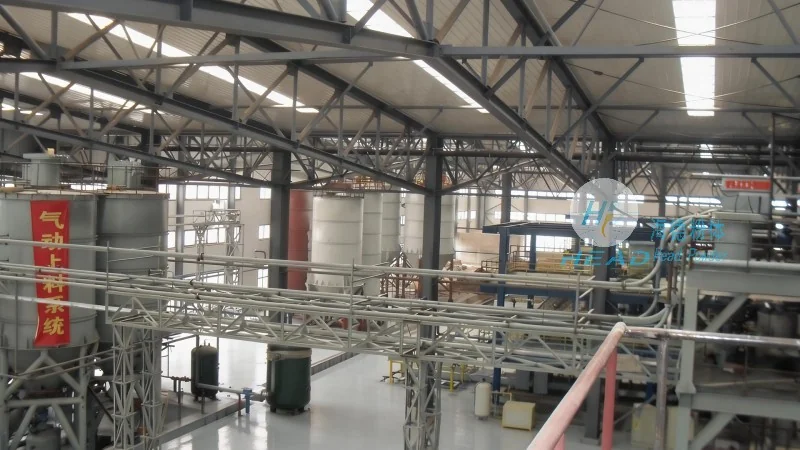
Bulk bag unpacking powder pneumatic conveying lines offer numerous benefits for industries that handle bulk powders, including pharmaceuticals, food processing, chemicals, and minerals. The primary advantages include high efficiency in material transfer, minimal product loss, and reduced labor requirements compared to manual handling. The system also ensures product integrity by preventing exposure to air and moisture, which can affect the quality of the powder. Additionally, the automated nature of the system enhances safety by minimizing human contact with the material and reducing the risk of dust exposure. These systems are widely used in various applications, such as transferring raw materials into production lines, moving finished products to storage, or transporting powders between different processing stages. The flexibility of the system allows it to be adapted to different bag sizes and material types, making it a versatile solution for a wide range of industrial needs.