

Operation Process and Working Principle of Powder Tank Truck Powder Pneumatic Conveying Line
HeadPowder, a leading engineering company based in Shandong, China, specializes in the design, manufacturing, and installation of advanced powder handling systems. The powder tank truck pneumatic conveying line is a critical component in industrial applications where the efficient and safe transport of bulk powders is essential. This article provides a detailed overview of the operation process and working principle of such a system, highlighting the key components and the step-by-step procedure for its effective functioning.
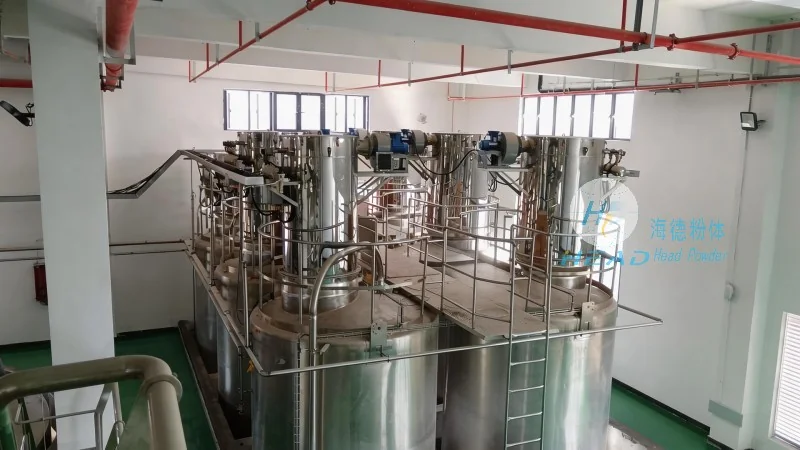
Key Components of the Powder Tank Truck Pneumatic Conveying Line
The powder tank truck pneumatic conveying line typically consists of several essential components that work in tandem to ensure smooth and reliable powder transport. These components include the powder tank truck itself, a pneumatic conveying system (such as a positive pressure or negative pressure system), a control panel, and various accessories like filters, cyclones, and silos. Each component plays a vital role in the overall operation, contributing to the system's efficiency and safety.
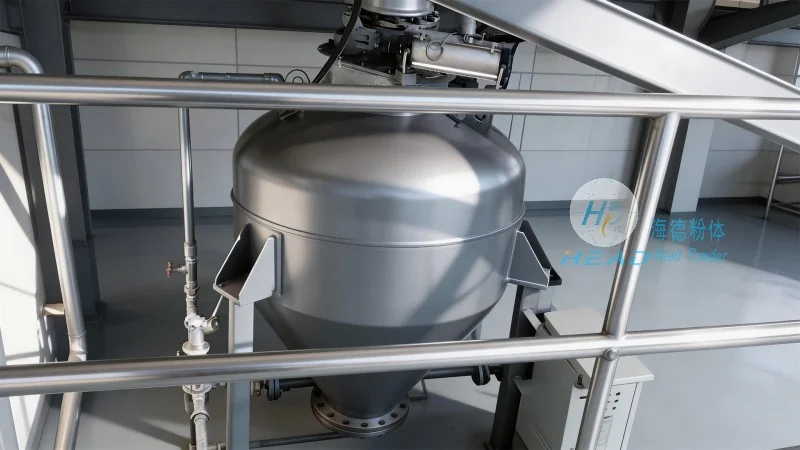
Operation Process of the Powder Tank Truck Pneumatic Conveying Line
The operation process of the powder tank truck pneumatic conveying line involves several sequential steps that ensure the safe and efficient transfer of bulk powders from the truck to the destination storage or processing unit. The process begins with the loading of the powder into the tank truck at the source location. Once loaded, the truck is transported to the receiving site. Upon arrival, the following steps are executed:
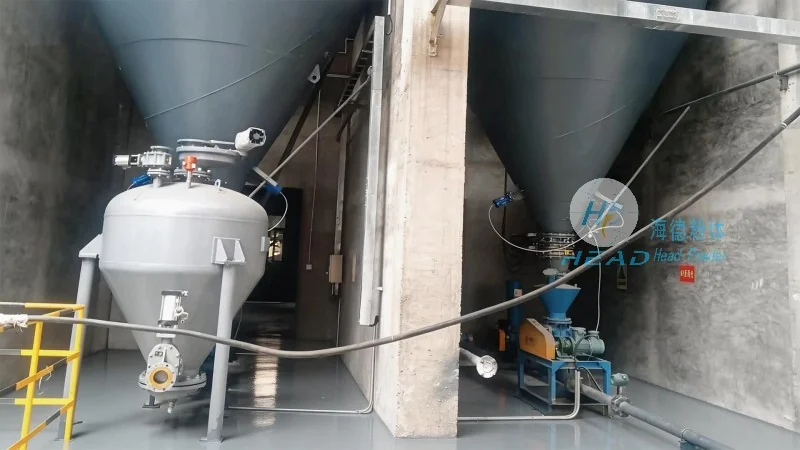
- Connecting the truck to the receiving system via the appropriate pneumatic conveying lines and valves.
- Activating the control panel to initiate the conveying process. The system may use a positive pressure system, where air is blown into the truck to push the powder forward, or a negative pressure system, where air is drawn out to create a vacuum that pulls the powder.
- Monitoring the pressure and flow rates to ensure optimal performance. The control panel allows operators to adjust the air pressure and flow rate as needed to maintain consistent and efficient powder transfer.
- Collecting the conveyed powder in the receiving silo or storage unit. The system may include a cyclone separator to separate any fines or moisture from the powder, ensuring the final product meets quality standards.
- Shutting down the system once the transfer is complete and performing any necessary cleaning or maintenance tasks to prepare the system for the next operation.
Working Principle of the Powder Tank Truck Pneumatic Conveying Line
The working principle of the powder tank truck pneumatic conveying line is based on the principles of fluid dynamics and particle transport. The system utilizes compressed air or a vacuum to create a flow that moves the powder particles through the conveying lines. In a positive pressure system, high-pressure air is introduced into the truck, creating a pressure differential that forces the powder out of the truck and into the receiving system. The air and powder mixture then travels through the conveying lines, which are typically made of flexible or rigid pipes, to the destination silo. The air is then separated from the powder using a cyclone or other separation equipment, and the powder is collected in the silo. In a negative pressure system, a vacuum is created at the receiving end, which draws the powder from the truck and pulls it through the conveying lines. The air is then filtered and released, while the powder is collected in the silo.
Advantages and Applications of the Powder Tank Truck Pneumatic Conveying Line
The powder tank truck pneumatic conveying line offers several advantages over traditional methods of powder transport, such as bucket elevators or belt conveyors. These advantages include:
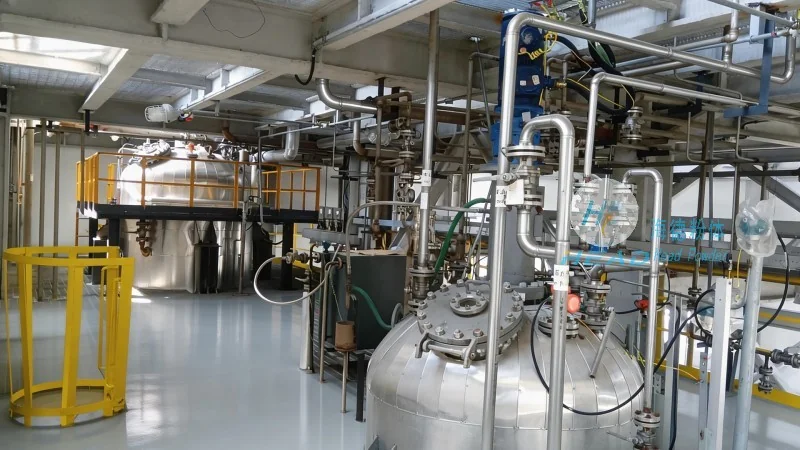
- Efficient and continuous transport of bulk powders, even over long distances.
- Reduced risk of dust contamination and improved safety due to enclosed systems.
- Flexibility in system design, allowing for customization to meet specific application requirements.
- Lower maintenance costs compared to other bulk handling systems.
These systems are widely used in various industries, including food processing, pharmaceuticals, chemicals, and mining. They are particularly suitable for transporting powders that are prone to dust, such as flour, cement, and minerals.