

Operating Process and Working Principle of Nitrile Rubber Powder Pneumatic Conveying Equipment
HeadPowder, a leading manufacturer based in Shandong, China, specializes in the design and production of advanced pneumatic conveying systems for handling nitrile rubber powders. This article provides a detailed overview of the operational process and underlying principles of such equipment, highlighting the key components, their functions, and the overall workflow involved in efficient material transport.
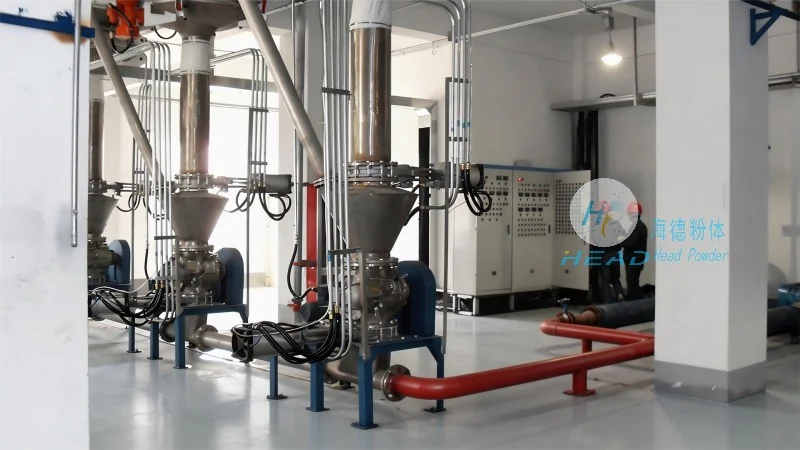
Key Components and Their Functions
The nitrile rubber powder pneumatic conveying system typically consists of several critical components that work in concert to ensure reliable and efficient material transfer. These include the material hopper, air supply system, conveying pipeline, control valve, and dust collection unit. Each component plays a vital role in the overall performance of the system.
The material hopper is designed to store the nitrile rubber powder, providing a consistent feed source. It is equipped with a feeding mechanism, such as a rotary valve or screw feeder, which regulates the flow of the powder into the conveying line. The air supply system, often a blower or compressor, generates the necessary air pressure to move the powder particles through the pipeline. The conveying pipeline, usually made of stainless steel or other corrosion-resistant materials, ensures the safe and efficient transport of the nitrile rubber powder. The control valve, typically a rotary or slide valve, regulates the air flow and material discharge, allowing for precise control over the conveying process. Finally, the dust collection unit, including filters and a dust collector, ensures that any airborne particles are captured and removed, maintaining a clean and safe working environment.
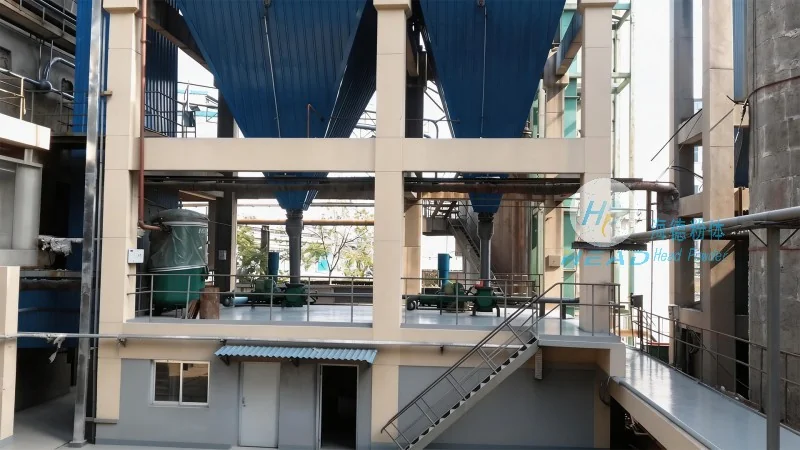
Operating Process of the Pneumatic Conveying System
The operation of the nitrile rubber powder pneumatic conveying system follows a systematic sequence of steps. Initially, the nitrile rubber powder is loaded into the material hopper. The feeding mechanism then starts, gradually releasing the powder into the conveying pipeline. Simultaneously, the air supply system activates, generating the required air pressure. The air and powder mixture travels through the pipeline, with the air providing the necessary force to move the powder particles. At the receiving end, the control valve regulates the flow, allowing the powder to be discharged into the target container. The dust collection unit continuously operates to capture any fine particles that may escape, ensuring compliance with environmental and safety standards.
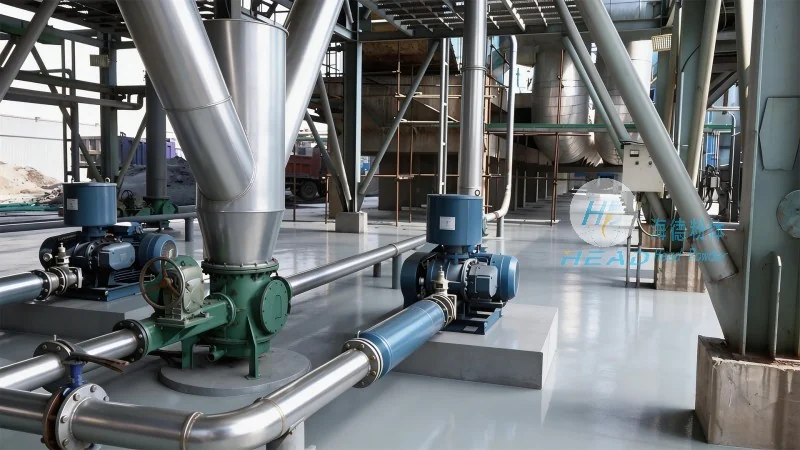
Working Principle of the Pneumatic Conveying System
The core principle behind the nitrile rubber powder pneumatic conveying system is the use of air as a medium to transport the solid particles. This is achieved through the creation of a high-velocity air stream within the conveying pipeline. The air stream generates a pressure differential that propels the nitrile rubber powder particles forward. The efficiency of the system depends on the balance between the air velocity and the particle size, density, and moisture content of the nitrile rubber powder. Proper air pressure and flow rate are crucial to prevent blockages, ensure consistent material transport, and maintain system performance. The system operates on the principle of fluidization, where the air flow causes the powder particles to behave like a fluid, allowing for smooth and continuous transport.
About HeadPowder Engineering Co., Ltd.
HeadPowder Engineering Co., Ltd., headquartered in Shandong, China, is a reputable company dedicated to providing high-quality pneumatic conveying solutions for various industrial applications. With years of experience in the field, the company has developed a range of advanced systems tailored to handle nitrile rubber powders and other similar materials. The company's commitment to innovation, quality, and customer satisfaction has made it a trusted partner for businesses seeking reliable material handling solutions. HeadPowder's expertise in pneumatic conveying technology ensures that their equipment operates efficiently, safely, and with minimal maintenance, delivering long-term value to their clients.