

Operation Process and Working Principle of Stearic Acid Sodium Powder Pneumatic Conveying Equipment
Stearic acid sodium is a widely used chemical additive in various industries, including food, cosmetics, and pharmaceuticals. The efficient handling and transportation of this powder are crucial for maintaining product quality and operational efficiency. Pneumatic conveying equipment has emerged as a preferred solution for transporting stearic acid sodium powder due to its ability to handle fine powders without causing degradation or contamination. This article provides an in-depth look at the operation process and working principle of a stearic acid sodium powder pneumatic conveying system, along with an overview of the manufacturer, Shandong HeadPowder Engineering Co., Ltd.
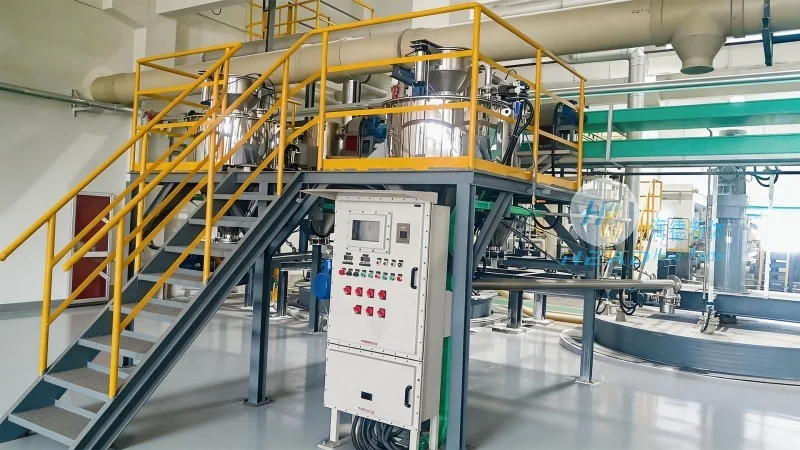
Company Profile: Shandong HeadPowder Engineering Co., Ltd.
Shandong HeadPowder Engineering Co., Ltd. is a leading manufacturer specializing in the design, development, and production of advanced pneumatic conveying equipment. HeadPowder, as the company's brand, focuses on delivering high-quality solutions tailored to the specific needs of industrial powder handling. The company is headquartered in Shandong, China, where it leverages local manufacturing expertise and resources to ensure the reliability and efficiency of its products. With a commitment to innovation and customer satisfaction, HeadPowder has established itself as a trusted partner in the powder processing industry.
Overview of Pneumatic Conveying Systems for Stearic Acid Sodium Powder
Pneumatic conveying systems are essential for transporting fine powders like stearic acid sodium, which are often sensitive to mechanical stress and contamination. Unlike traditional mechanical conveying methods, such as screw conveyors or belt conveyors, pneumatic systems use air as the conveying medium. This approach eliminates the need for moving parts that come into direct contact with the powder, reducing the risk of product degradation and equipment wear. The system is particularly suitable for stearic acid sodium powder due to its fine particle size and potential for agglomeration, as the air flow helps maintain the powder's flowability and prevents clogging in the pipeline.
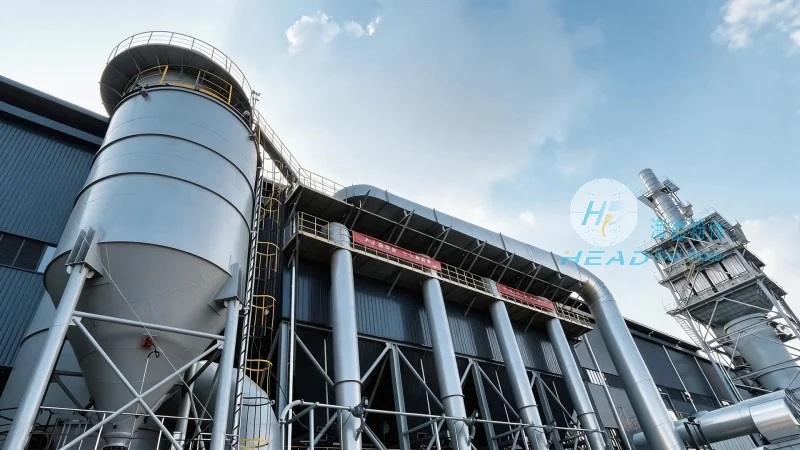
Detailed Operation Process of the Equipment
The operation of the stearic acid sodium powder pneumatic conveying system involves a series of coordinated steps to ensure efficient and reliable powder transport. First, the powder is loaded into the hopper or storage silo, which is equipped with a feeding mechanism to control the flow rate. The hopper is designed to minimize powder bridging and ensure a consistent feed to the conveying line. Next, a high-pressure fan or blower generates the necessary air pressure and flow rate to move the powder through the pipeline. The air is introduced into the conveying line at a specific velocity, creating a low-pressure zone that draws the powder particles into the air stream. The powder is then carried along the pipeline to the destination, such as a storage tank or processing unit. The system may include additional components like filters or cyclones to separate any air-powder mixture and return the air to the fan for recirculation, ensuring minimal air loss and energy efficiency.
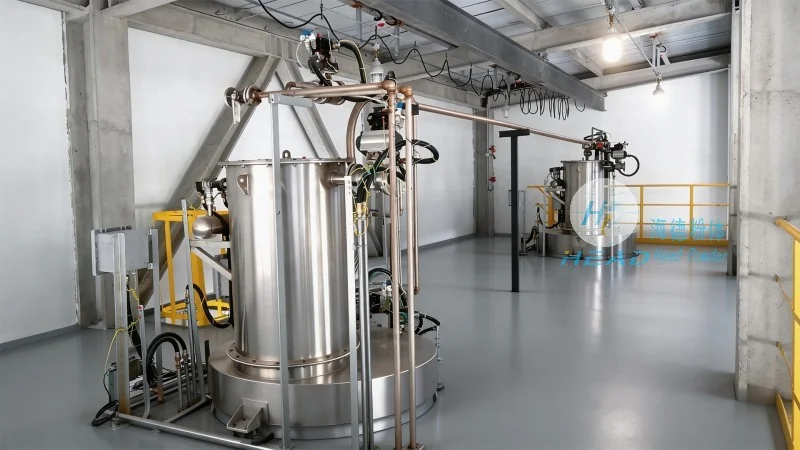
Working Principle of the Pneumatic Conveying Equipment
The working principle of the pneumatic conveying system is based on the fundamental physics of fluid dynamics and particle motion. When air is introduced into the conveying line at a high velocity, it creates a low-pressure environment that causes the powder particles to be entrained by the air stream. The powder particles are carried along the pipeline by the air flow, with the velocity of the air determining the conveying rate. The system may operate in either dilute phase or dense phase mode, depending on the powder characteristics and the required conveying distance. Dilute phase conveying is suitable for short to medium distances and low to medium flow rates, where the powder is suspended in the air stream. Dense phase conveying, on the other hand, is used for longer distances and higher flow rates, where the powder is conveyed in a slurry-like state, providing better control over the powder flow and reducing the risk of particle degradation. The choice of conveying mode depends on factors such as the powder's particle size, moisture content, and flowability, as well as the distance between the source and destination.
Key Features and Benefits of the System
The stearic acid sodium powder pneumatic conveying equipment from Shandong HeadPowder Engineering Co., Ltd. offers several key features and benefits that make it an ideal choice for industrial applications. One of the primary advantages is the ability to handle powders with high moisture content or abrasive properties without causing product degradation or equipment wear. The system's design minimizes direct contact between the powder and mechanical components, reducing the risk of contamination and ensuring product purity. Additionally, the equipment is designed for easy maintenance and operation, with accessible components that allow for quick cleaning and replacement of parts. The use of air as the conveying medium also provides flexibility in installation and integration with existing processing systems, as the pipeline can be configured to follow the layout of the facility. The system's energy efficiency is another significant benefit, as the air is recirculated and reused, reducing energy consumption and operational costs. Overall, the pneumatic conveying system provides a clean, efficient, and reliable method for transporting stearic acid sodium powder, ensuring optimal performance and product quality.