

Operation Process and Working Principle of Loess Powder Pneumatic Conveying Line
Loess powder pneumatic conveying lines are critical systems in material handling, especially for transporting fine powders like loess efficiently and safely. The technology has evolved significantly, offering solutions that minimize dust, reduce material loss, and enhance operational efficiency in various industrial applications.
Company Overview
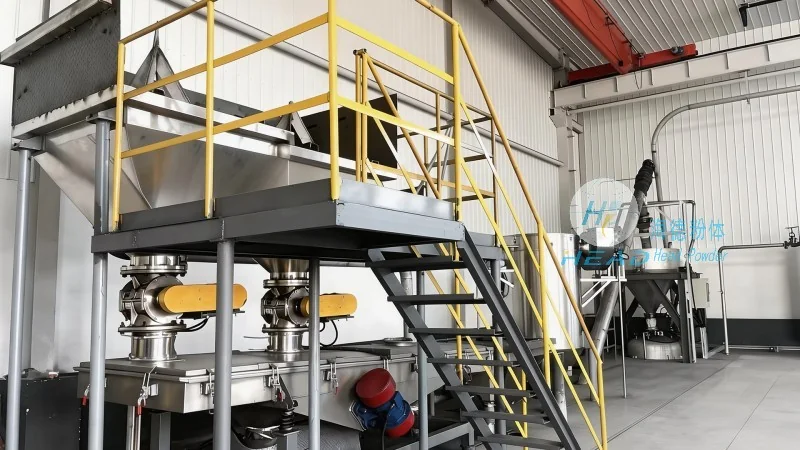
HeadPowder, or Shandong HeadPowder Engineering Co., Ltd., based in Shandong, China, specializes in the design, manufacturing, and installation of advanced pneumatic conveying systems. With years of experience in the field, the company has developed a reputation for delivering reliable and high-performance solutions tailored to the unique needs of clients in different industries.
Understanding Pneumatic Conveying Technology
Pneumatic conveying systems utilize air or gas to transport bulk materials, such as loess powder, through a pipeline network. This method is particularly effective for handling fine, dry powders that are prone to dust and caking. The core principle involves creating a pressure differential to move the material, ensuring a smooth and continuous flow from the source to the destination.
The Working Principle of Loess Powder Pneumatic Conveying Lines
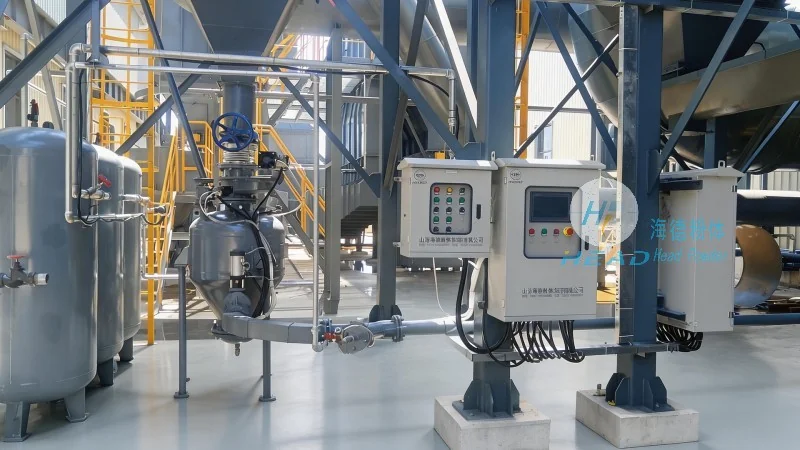
The operation of a loess powder pneumatic conveying line typically involves several key components and steps. The process begins with the material being fed into a hopper or feeder, where it is then introduced into the conveying line. A blower or compressor generates the necessary air pressure to move the powder through the pipeline. The system may use either positive pressure (where air pushes the material) or negative pressure (where air is drawn to pull the material), depending on the application and material characteristics.
Key Components and Their Functions
Several critical components work together to ensure the efficient operation of a loess powder pneumatic conveying line. These include:
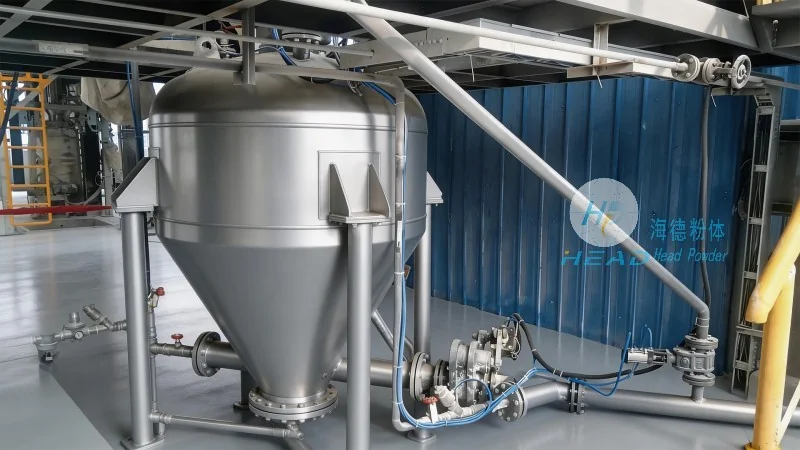
- Feeder/Hopper: Holds the loess powder and regulates the flow rate into the conveying line, preventing blockages and ensuring consistent material supply.
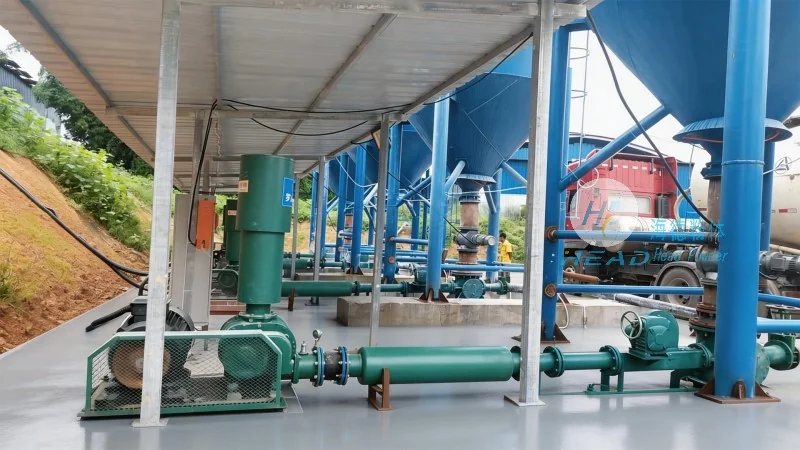
- Blower/Compressor: Provides the air pressure needed to move the powder through the pipeline. The choice of equipment depends on the material's density, particle size, and the required conveying distance.
- Pipeline System: A network of pipes that transports the powder and air mixture. The design considers factors like pressure drop, material flow, and system efficiency.
- Receiver/Destination: The final container or processing unit where the loess powder is deposited. It may include filters or cyclones to separate the powder from the air.
- Control System: Monitors and regulates the operation of the system, ensuring optimal performance and safety. This includes sensors for pressure, flow, and material level.
Operation Process Step-by-Step
The operation of a loess powder pneumatic conveying line follows a systematic process:
- Material Loading: Loess powder is loaded into the hopper or feeder. The feeder controls the flow rate to match the system's capacity.
- Air Intake: The blower or compressor starts, creating the required air pressure. Air is drawn into the system, and the powder is mixed with the air stream.
- Pipeline Transport: The air-powder mixture travels through the pipeline network. The pressure differential ensures the material moves efficiently without clogging.
- Material Separation: At the destination, a cyclone or filter separates the loess powder from the air. The powder is collected in the receiver, while the air is either recirculated or vented.
- System Monitoring: The control system continuously monitors parameters like pressure, flow rate, and material level, adjusting operations as needed to maintain optimal performance.
Advantages of Loess Powder Pneumatic Conveying Lines
Using a pneumatic conveying line for loess powder offers several advantages over traditional methods like belt conveyors or manual handling:
- Reduced Dust and Contamination: The enclosed system minimizes dust exposure, improving workplace safety and maintaining material purity.
- Efficient Material Handling: The system can transport loess powder over long distances with minimal loss, ensuring consistent supply to processing units.
- Space Efficiency: Pneumatic conveying lines require less floor space compared to other bulk handling systems, making them suitable for facilities with limited room.
- Low Maintenance: With fewer moving parts compared to mechanical conveyors, the system has lower maintenance requirements and longer service life.
Applications and Industries
Loess powder pneumatic conveying lines are widely used in various industries where fine powders need to be transported. These include:
- Construction Materials: Transporting loess or other fine aggregates for concrete production and road construction.
- Food Processing: Handling powdered ingredients like flour or other food additives in food manufacturing plants.
- Pharmaceuticals: Transporting pharmaceutical powders with strict purity and contamination control requirements.
- Chemical Manufacturing: Moving fine chemical powders in industrial chemical plants.
- Environmental and Waste Management: Conveying loess or other powders in waste treatment and recycling facilities.
Customization and System Design
HeadPowder provides customized pneumatic conveying solutions tailored to specific client needs. The company's engineers work closely with clients to assess their material characteristics, conveying requirements, and operational constraints. This collaborative approach ensures that the final system is optimized for efficiency, reliability, and cost-effectiveness.