

Operation Process and Working Principle of Material Handling System for Lithium-Ion Battery Positive
Shandong HeadPowder Engineering Co., Ltd., commonly known as HeadPowder, specializes in engineering solutions for material handling in the lithium-ion battery industry. The company's focus is on developing efficient and reliable systems for processing positive electrode materials, which are critical components in lithium-ion batteries. These systems are designed to ensure the safe and effective transport of raw materials and finished products throughout the production process.
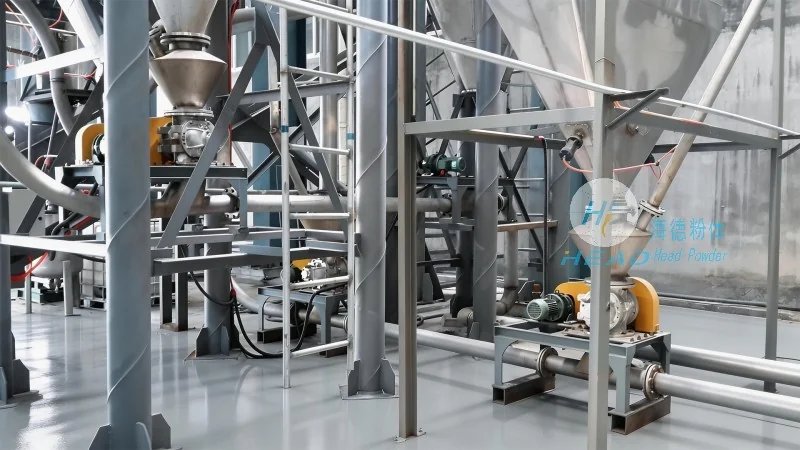
HeadPowder's material handling systems are tailored to meet the specific demands of lithium-ion battery manufacturing. The systems are engineered to handle various types of positive electrode materials, including but not limited to, lithium cobalt oxide (LCO), lithium nickel manganese cobalt oxide (NMC), and lithium iron phosphate (LFP). Each material has unique properties that require specialized handling to prevent degradation and maintain quality.
Operation Process of the Material Handling System
The operation process of HeadPowder's material handling system for lithium-ion battery positive electrode materials typically involves several key stages. The first stage is the intake of raw materials, where bulk materials are delivered to the system via trucks or bulk carriers. The materials are then transferred to a storage silo or hopper, where they are temporarily stored before processing.
From the storage hopper, the materials are conveyed to a pre-processing unit. This stage may include screening, crushing, or mixing to ensure the materials meet the required specifications. The pre-processed materials are then moved to a weighing and dosing system, where precise quantities are measured for the next production step.
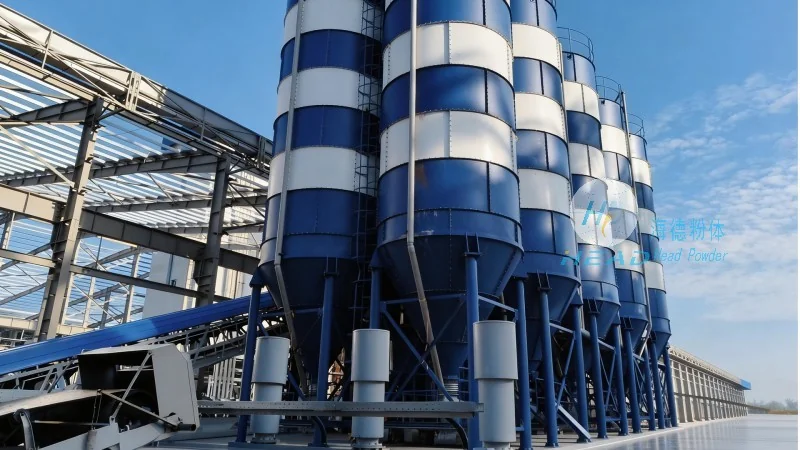
After dosing, the materials are transferred to a mixing or coating unit, where they are combined with other components, such as binders and conductive agents. The mixed materials are then conveyed to a drying or curing chamber to remove moisture and achieve the desired physical properties. Finally, the processed materials are transported to a packaging or storage area, ready for use in battery production.
Working Principle of the Material Handling System
The working principle of HeadPowder's material handling system is based on a combination of mechanical and control technologies. The system utilizes a network of conveyors, such as belt conveyors, screw conveyors, and pneumatic conveying systems, to transport materials between different stages of the production line.
Control systems, including programmable logic controllers (PLCs) and human-machine interfaces (HMIs), are integrated into the system to monitor and regulate the flow of materials. Sensors and feedback mechanisms are used to detect material levels, flow rates, and potential blockages, ensuring the system operates smoothly and safely.
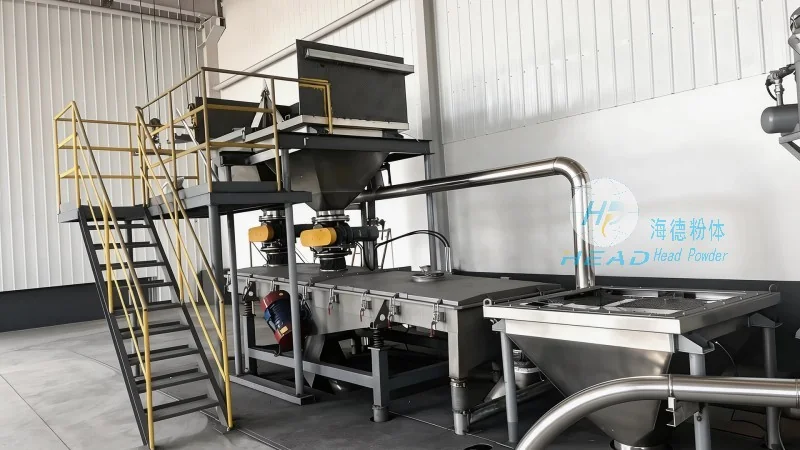
Mechanical components, such as hoppers, agitators, and mixers, are designed to handle the specific characteristics of positive electrode materials. For example, materials that are prone to dust generation may be handled in enclosed systems with dust collection and filtration to prevent environmental contamination and ensure worker safety.
Key Features and Advantages
HeadPowder's material handling systems for lithium-ion battery positive electrode materials offer several advantages that enhance production efficiency and product quality. The systems are designed to minimize material loss and contamination, which is critical for maintaining the performance and safety of lithium-ion batteries. Additionally, the systems are equipped with advanced control technologies that allow for real-time monitoring and adjustment, ensuring optimal operation under varying production conditions.
The systems are also built with durability and maintenance in mind. High-quality materials and robust construction ensure long-term reliability, reducing downtime and maintenance costs for manufacturers. HeadPowder's engineering team provides comprehensive support, including system design, installation, and after-sales service, to ensure customers achieve the best possible results.