

Operation Process and Working Principle of Lithium Hexafluorophosphate Material Handling System
Lithium hexafluorophosphate (LiPF₆) is a vital electrolyte salt in lithium-ion battery production, enhancing performance and safety. Efficient handling of this material is crucial for production efficiency and product quality. This article outlines the operation process and working principles of a specialized material handling system for LiPF₆, covering key components, operational steps, and technical considerations.
Key Components of the Material Handling System
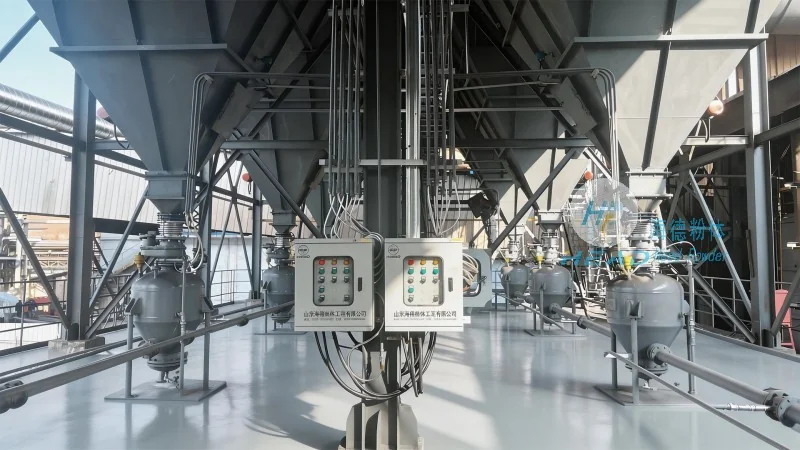
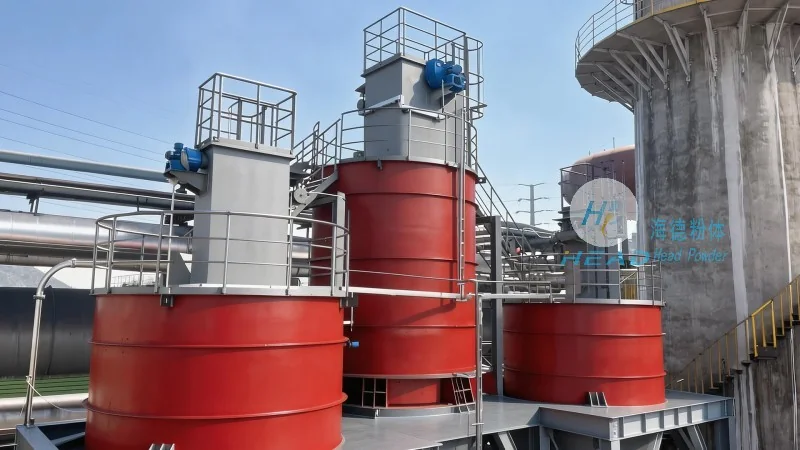
The system comprises integrated components including bulk storage silos, pneumatic conveying pipelines, dust collection systems, and control panels. Storage silos hold large quantities of LiPF₆ under controlled conditions to prevent moisture and air exposure. Pneumatic conveying pipelines use compressed air to transport material. Dust collection systems maintain a clean environment by capturing airborne particles. Control panels allow operators to monitor and adjust parameters for optimal performance.
Operation Process of the Material Handling System
The operation follows a systematic sequence: LiPF₆ is loaded into storage silos, then conveyed via pneumatic pipelines to processing units. The control panel monitors pressure, flow rate, and material levels in real time, enabling adjustments. The system operates continuously with regular maintenance to ensure reliability.
Working Principles of the Material Handling System
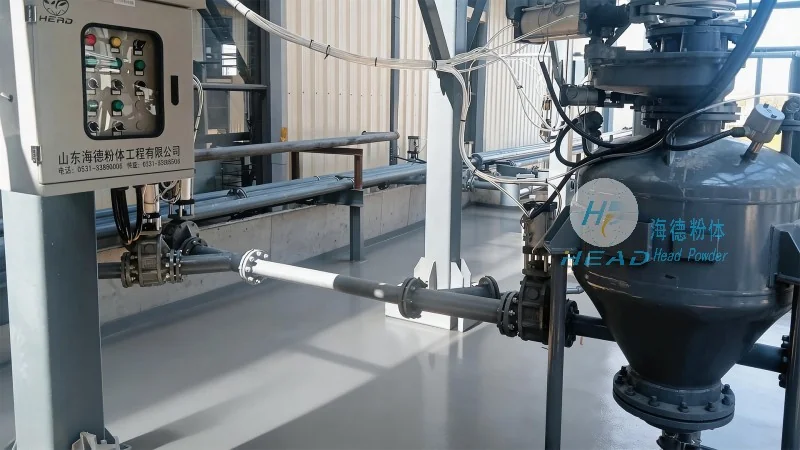
The system relies on pneumatic conveying technology, using compressed air to suspend and move material particles. Positive or negative pressure methods are employed based on material properties and distance. Dust control measures like cyclone separators and filters prevent environmental contamination. Safety features such as pressure relief valves and emergency shut-offs protect personnel and equipment.
Technical Considerations for Optimal Performance
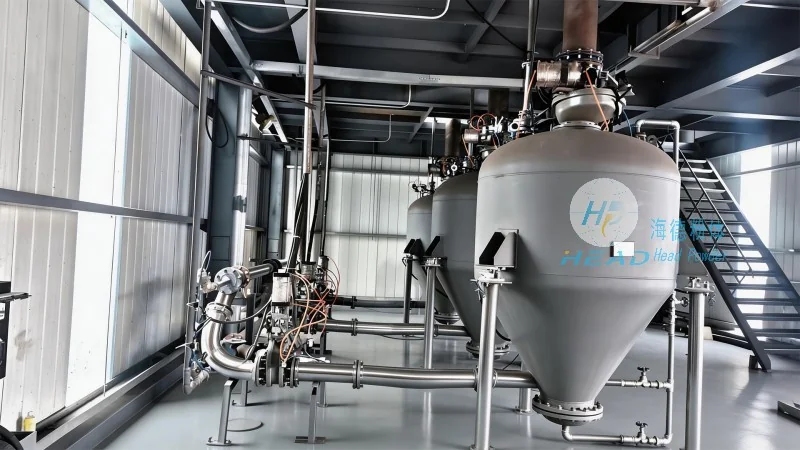
Key technical factors include material physical properties (particle size, density, moisture content) and chemical stability. Proper pipeline design and sealing prevent degradation. Robust control systems with sensors and automated controls ensure real-time monitoring. Regular maintenance and inspections are essential to minimize downtime.