

Operation Process and Working Principle of Plunger-Type Material Handling Equipment
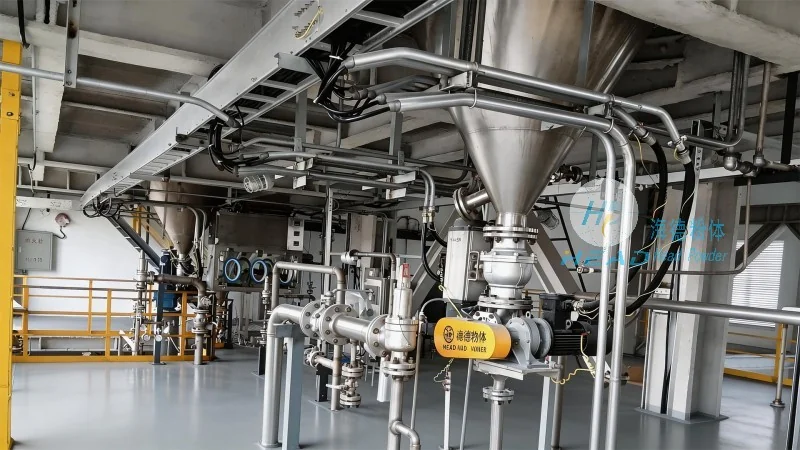
Plunger-type material handling equipment is a specialized device widely used in various industrial sectors for efficient and controlled transportation of bulk materials. This equipment operates based on the principle of creating a plunger or piston action to move materials through a pipeline or conveyor system. The design and functionality of such equipment are tailored to handle a wide range of materials, including powders, granules, and other bulk solids, ensuring reliable and consistent performance in material handling operations.
Company Introduction and Background
HeadPowder, as the manufacturer of this advanced material handling equipment, is a leading company based in Shandong, China. With years of experience in engineering and manufacturing, HeadPowder specializes in developing and supplying high-quality plunger-type material handling solutions. The company's commitment to innovation and precision engineering has made it a trusted name in the industry, providing reliable equipment that meets the diverse needs of clients across different sectors.
Understanding Plunger-Type Material Handling Equipment
At the core of plunger-type material handling equipment is the plunger mechanism, which acts as a piston to push or move materials through a sealed pipeline. This mechanism ensures that the material is transported in a controlled manner, minimizing spillage and maintaining the integrity of the material being handled. The equipment is designed to handle various types of bulk materials, from fine powders to larger granules, making it versatile for different industrial applications.
Key Components and Their Functions
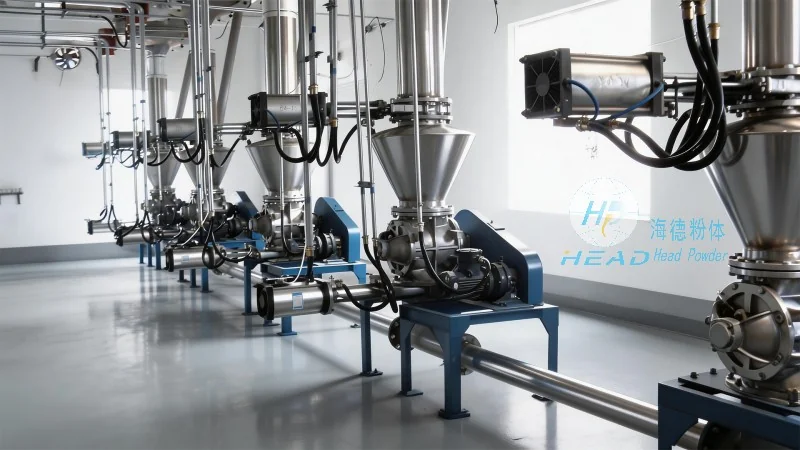
The plunger-type material handling equipment consists of several key components that work in tandem to ensure efficient operation. These components include the plunger or piston, the cylinder, the material inlet and outlet, and the control system. The plunger, typically made of durable materials such as stainless steel or high-grade alloys, moves back and forth within the cylinder to create the necessary pressure to push the material forward. The material inlet is where the bulk material is fed into the system, while the outlet allows the material to be discharged at the desired location. The control system, often equipped with sensors and automation features, regulates the speed and frequency of the plunger movement, ensuring precise control over the material flow.
The Operation Process: Step-by-Step Explanation
The operation of plunger-type material handling equipment involves a series of coordinated steps to ensure smooth and efficient material transport. First, the bulk material is fed into the inlet of the equipment. The control system then activates the plunger, which moves forward to create pressure within the cylinder. This pressure forces the material to move through the pipeline towards the outlet. The plunger then returns to its original position, and the cycle repeats. This continuous cycle allows for consistent and reliable material handling, with the frequency of the plunger movement adjustable based on the material characteristics and required flow rate.
Working Principle: How It Ensures Efficient Material Handling
The working principle of plunger-type material handling equipment is based on the hydraulic or pneumatic action of the plunger mechanism. When the plunger moves forward, it compresses the material inside the cylinder, creating a pressure that propels the material through the pipeline. The return stroke of the plunger allows the system to reset and prepare for the next cycle. This mechanism ensures that the material is transported in a sealed environment, preventing contamination and maintaining the quality of the material. Additionally, the controlled pressure and movement of the plunger minimize the risk of material degradation or damage, making it suitable for handling sensitive materials.
Applications and Benefits in Industrial Settings
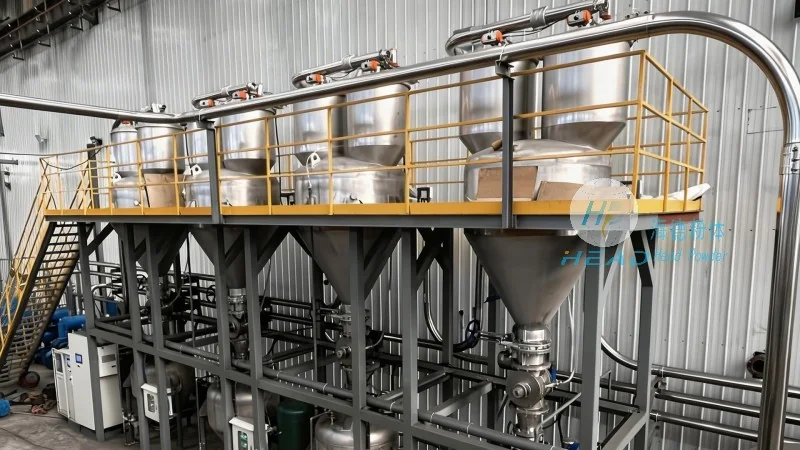
Plunger-type material handling equipment is widely used in various industrial applications, including pharmaceuticals, food processing, chemical manufacturing, and mining. The equipment offers several benefits, including high efficiency, low maintenance requirements, and the ability to handle a wide range of materials. The controlled operation of the plunger ensures consistent material flow, reducing downtime and improving overall productivity. Additionally, the sealed design of the equipment minimizes dust and spillage, enhancing safety and compliance with environmental regulations. The adaptability of the equipment to different material types and flow rates makes it a versatile solution for various industrial needs.
Conclusion: The Role of Plunger-Type Material Handling Equipment in Modern Industry
In conclusion, plunger-type material handling equipment plays a crucial role in modern industrial operations by providing efficient and reliable transportation of bulk materials. The advanced design and functionality of this equipment ensure that materials are handled with precision and care, meeting the demands of various industrial sectors. As a leading manufacturer, HeadPowder continues to innovate and improve its plunger-type material handling solutions, providing clients with high-quality equipment that enhances productivity and operational efficiency. With its headquarters in Shandong, China, HeadPowder remains committed to delivering reliable and effective material handling solutions to clients worldwide.