

Operation Process and Working Principle of Fly Ash Material Handling Equipment
Efficient and reliable fly ash material handling equipment is crucial for the smooth operation of power plants and other industrial facilities that generate fly ash. Understanding the operation process and working principle of such equipment is essential for optimizing performance, ensuring safety, and maintaining compliance with environmental regulations. This article provides a detailed overview of the key aspects involved in the operation of fly ash handling systems, focusing on the equipment used to transport and manage this byproduct of combustion processes.
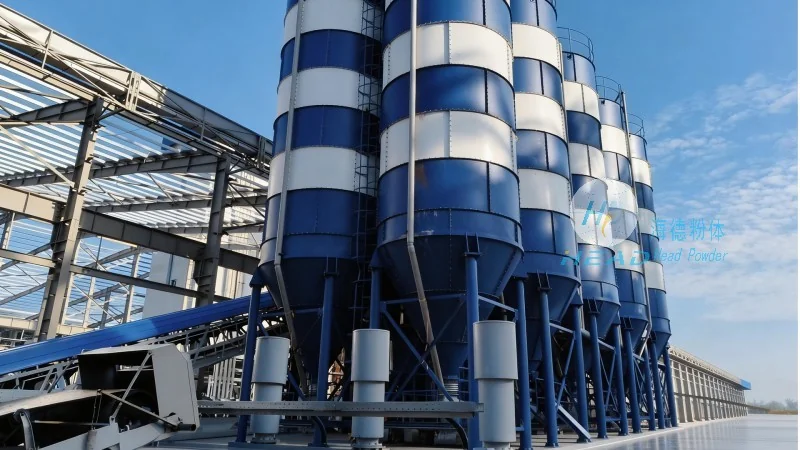
Overview of Fly Ash Material Handling Equipment
Fly ash, a fine particulate matter produced during the combustion of coal or other fossil fuels in thermal power plants, requires specialized equipment for safe and efficient transportation. The primary goal of fly ash handling systems is to collect, transport, and store this material without causing dust pollution or operational hazards. These systems typically consist of several components, including feeders, conveyors, storage silos, and control systems, all working in tandem to ensure seamless material flow.
The Operation Process of Fly Ash Handling Equipment
The operation process of fly ash material handling equipment begins with the collection of fly ash from the boiler or other combustion sources. The ash is then transferred to a feeder, which regulates the flow rate and ensures a consistent supply to the conveyor system. The conveyor, often a belt or screw conveyor, transports the fly ash from the collection point to the storage silo or processing unit. During this process, the equipment must maintain proper air sealing and dust suppression to prevent environmental contamination. The control system monitors key parameters such as flow rate, pressure, and temperature, adjusting the operation of the feeder and conveyor as needed to maintain optimal performance.
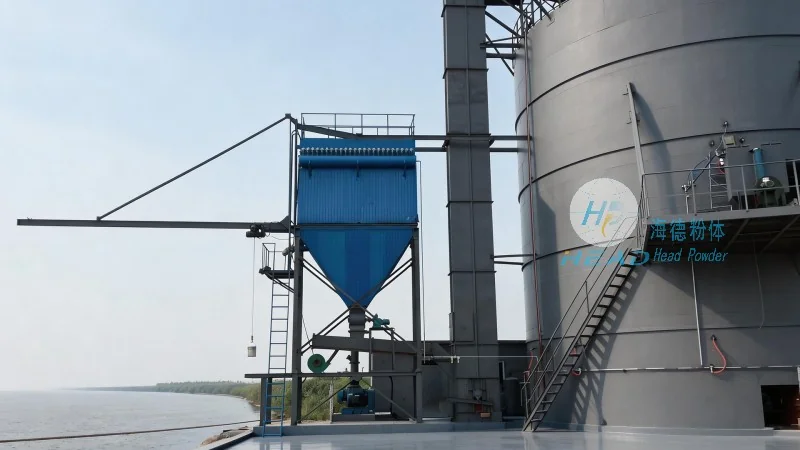
Working Principle of Key Components
Several critical components contribute to the effective operation of fly ash handling equipment. The feeder, typically a rotary or vibratory type, is responsible for controlling the initial flow of fly ash from the source. It ensures that the material is fed at a uniform rate, preventing overloading or underloading of the conveyor. The conveyor system, which may include belt conveyors or screw conveyors, uses mechanical power to move the fly ash along the designated path. Belt conveyors are commonly used for long-distance transport due to their high capacity and low maintenance requirements, while screw conveyors are suitable for vertical or horizontal transport in confined spaces.
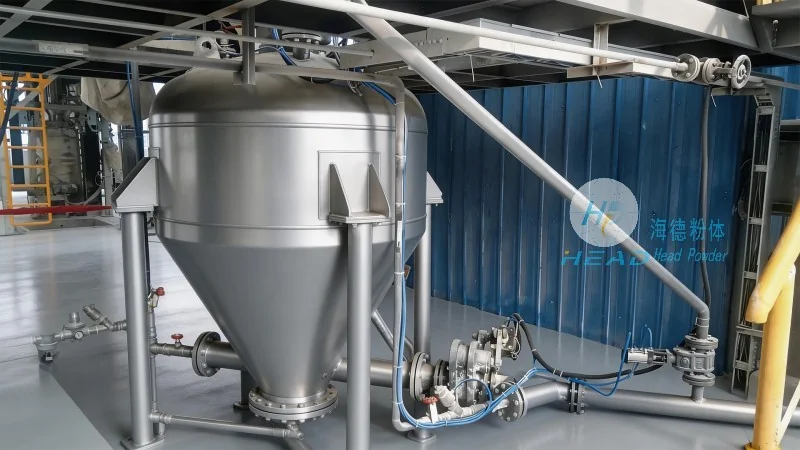
Storage and Disposal Considerations
After transportation, fly ash is often stored in large silos or hoppers before further use or disposal. The storage system must be designed to prevent caking or agglomeration of the material, which could impede flow or cause blockages. Proper sealing and ventilation are essential to maintain air quality and prevent dust emissions. The control system also manages the discharge process from the storage silo, ensuring that the fly ash is released at a controlled rate to avoid overfilling or underfilling the receiving equipment.
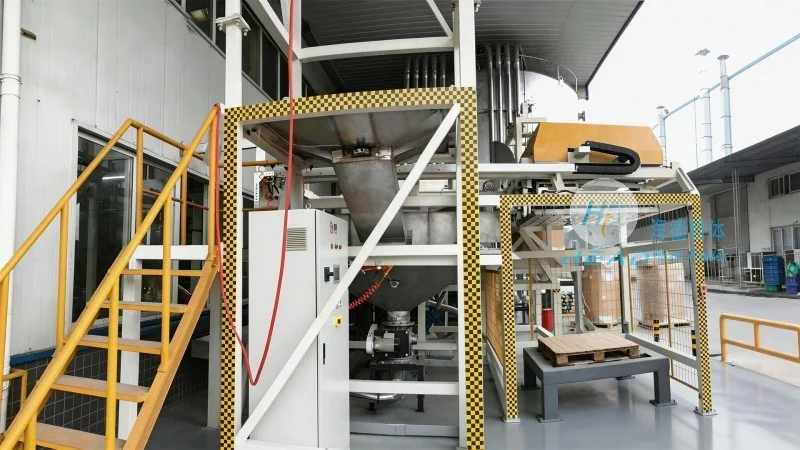
Importance of Proper Maintenance and Safety
Regular maintenance is crucial for the reliable operation of fly ash handling equipment. This includes inspecting and cleaning components such as feeders, conveyors, and silos to prevent dust accumulation and mechanical failures. Safety measures, such as dust suppression systems and proper ventilation, are essential to protect operators and the environment from potential hazards. Compliance with local environmental regulations and safety standards is also a key consideration, as improper handling of fly ash can lead to fines or operational disruptions.
About Shandong HeadPowder Engineering Co., Ltd.
Shandong HeadPowder Engineering Co., Ltd., a leading manufacturer of fly ash handling equipment, specializes in providing high-quality solutions for industrial applications. With years of experience in the field, the company has developed advanced technology and expertise to design and manufacture equipment that meets the specific needs of power plants and other industrial facilities. The company's products are known for their durability, efficiency, and compliance with international standards. HeadPowder's commitment to quality and customer satisfaction has made it a trusted partner for many clients worldwide.