

Operation Process and Working Principle of Nanometer Calcium Carbonate Material Conveying
Shandong HeadPowder Engineering Co., Ltd., a leading enterprise in the field of powder processing technology, specializes in the efficient and reliable transport of nanometer calcium carbonate. This article provides a detailed overview of the operational process and working principles involved in the material conveying system, highlighting the key components, technical mechanisms, and practical applications that ensure optimal performance in industrial settings.
Company Overview and Expertise
HeadPowder, as the company's abbreviated name, represents Shandong HeadPowder Engineering Co., Ltd., a professional manufacturer and supplier dedicated to advanced powder handling solutions. With a focus on innovation and precision engineering, the company has established itself as a trusted partner for industries requiring high-quality nanometer calcium carbonate material transport systems. Headquartered in Shandong, China, the company leverages its extensive experience and state-of-the-art facilities to deliver customized solutions tailored to meet diverse industrial demands.
Understanding Nanometer Calcium Carbonate Material Conveying
Nanometer calcium carbonate, characterized by its fine particle size and superior surface properties, is widely used in various industries such as plastics, rubber, coatings, and paper manufacturing. The efficient conveyance of this fine powder is critical to maintaining product quality and ensuring smooth production workflows. The material conveying process for nanometer calcium carbonate involves several key steps and mechanisms designed to handle the unique characteristics of the powder, including its low bulk density, high reactivity, and tendency to agglomerate.

Key Components of the Conveying System
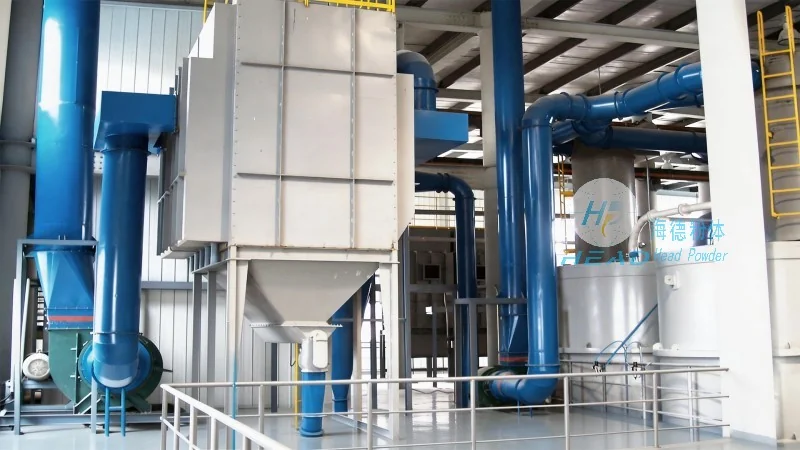
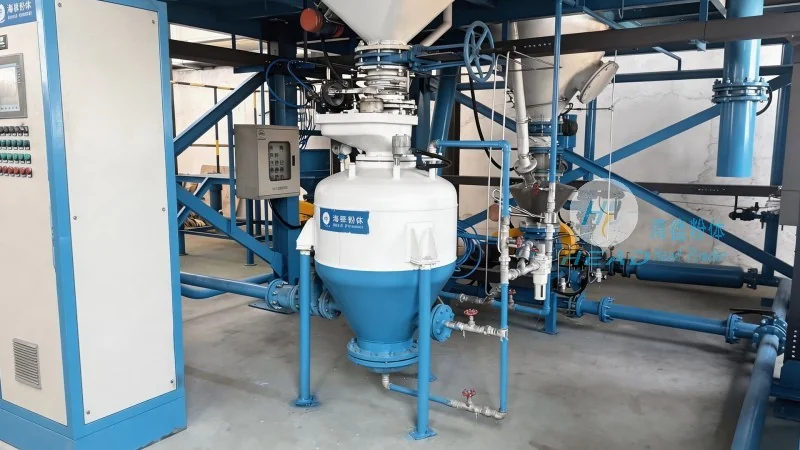
The nanometer calcium carbonate material conveying system typically consists of several essential components that work in tandem to ensure seamless material transport. These components include feed hoppers, rotary valves, conveyor belts or screw conveyors, and dust collection systems. Each component plays a crucial role in the overall operation, contributing to the system's efficiency and reliability. The feed hopper is responsible for storing and regulating the flow of the nanometer calcium carbonate material, while the rotary valve acts as a controlled gate to prevent backflow and maintain consistent material discharge. The conveyor mechanism, whether a belt or screw conveyor, transports the material from the hopper to the processing equipment, ensuring a continuous and controlled flow. Finally, the dust collection system is integrated to manage airborne particles, maintaining a clean and safe working environment.
Operation Process: Step-by-Step Overview
The operation process of the nanometer calcium carbonate material conveying system begins with the loading of the material into the feed hopper. The hopper is designed to accommodate the bulk of the material and features a sloped bottom to facilitate smooth discharge. Once the hopper is filled, the rotary valve opens, allowing the material to flow into the conveyor system. The conveyor then transports the material to the next stage of processing, such as a mixer or extruder. Throughout this process, the system monitors key parameters such as flow rate, pressure, and temperature to ensure optimal performance. Any deviations are automatically adjusted by the control system to maintain consistent material delivery.
Working Principle: Technical Mechanisms
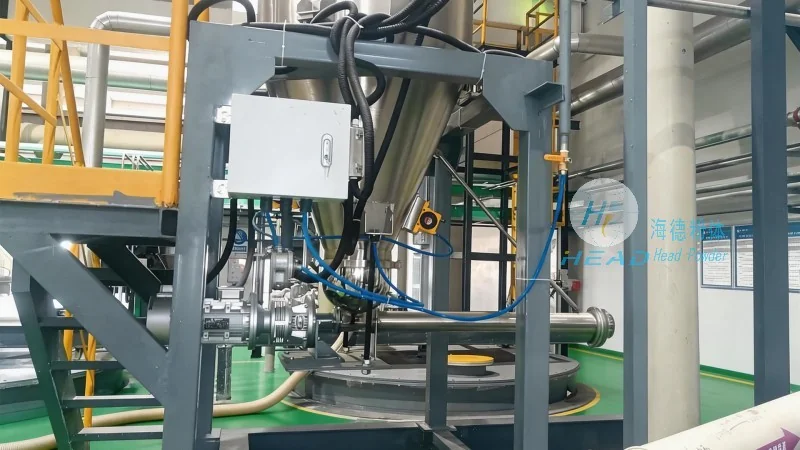
The working principle of the nanometer calcium carbonate material conveying system is based on the principles of fluidization and mechanical transport. The material is conveyed through a combination of gravity and mechanical force, with the conveyor system providing the necessary energy to move the fine powder. The rotary valve ensures that the material flows in a controlled manner, preventing blockages and ensuring a uniform flow rate. The dust collection system operates by capturing airborne particles using filters or cyclones, preventing dust contamination and maintaining air quality. The entire system is controlled by a programmable logic controller (PLC), which coordinates the operation of all components and ensures safe and efficient material transport.
Applications and Benefits in Industrial Settings
The efficient conveying of nanometer calcium carbonate is essential for maintaining product quality and improving production efficiency in various industrial applications. The system's ability to handle fine powders without agglomeration or loss of material ensures that the final product meets the required specifications. Additionally, the dust collection system helps maintain a clean and safe working environment, reducing the risk of respiratory issues and other health hazards associated with fine powder handling. The reliability and durability of the conveying system also contribute to lower maintenance costs and increased uptime, making it a cost-effective solution for industrial operations.
Conclusion and Future Developments
In conclusion, the operation process and working principle of the nanometer calcium carbonate material conveying system are critical to the success of industrial applications involving this fine powder. Shandong HeadPowder Engineering Co., Ltd. continues to innovate and improve its conveying systems to meet the evolving needs of the industry, ensuring that customers receive high-quality, reliable solutions for their material handling requirements. With its headquarters in Shandong, China, the company remains committed to providing advanced powder processing technology and supporting the growth of industries that rely on nanometer calcium carbonate materials.