

Operation Process and Working Principle of Dense Phase Material Handling Systems
Dense phase material handling systems represent a sophisticated approach to transporting bulk materials efficiently and safely. These systems are particularly valuable in industries where handling powders, granules, or other particulate materials requires precise control over flow, pressure, and velocity. The technology behind these systems is designed to minimize material degradation, reduce dust emissions, and ensure consistent performance, making them a preferred choice for applications ranging from chemical processing to food production.

About HeadPowder: A Leader in Material Handling Solutions
HeadPowder, or Shandong HeadPowder Engineering Co., Ltd., is a prominent company based in Shandong, China, specializing in the design, manufacturing, and implementation of advanced material handling equipment. With a focus on innovation and customer-centric solutions, HeadPowder has established itself as a trusted partner for businesses seeking reliable and efficient dense phase material transport systems. The company's expertise lies in understanding the unique challenges of different industries and tailoring solutions that meet specific operational requirements.
The Core Components of a Dense Phase Material Handling System
A typical dense phase material handling system comprises several key components that work in concert to achieve efficient material transport. The primary elements include a feed hopper, a positive displacement pump (such as a rotary lobe or piston pump), a pressure vessel or pipeline, and a control system. The feed hopper is responsible for storing and feeding the bulk material into the system, ensuring a consistent supply. The positive displacement pump then pressurizes the material, forcing it through the pipeline at a controlled rate. The pressure vessel or pipeline acts as the transport medium, maintaining the necessary pressure to prevent backflow and ensure smooth flow. The control system monitors and adjusts parameters such as pressure, flow rate, and pump speed to maintain optimal performance.
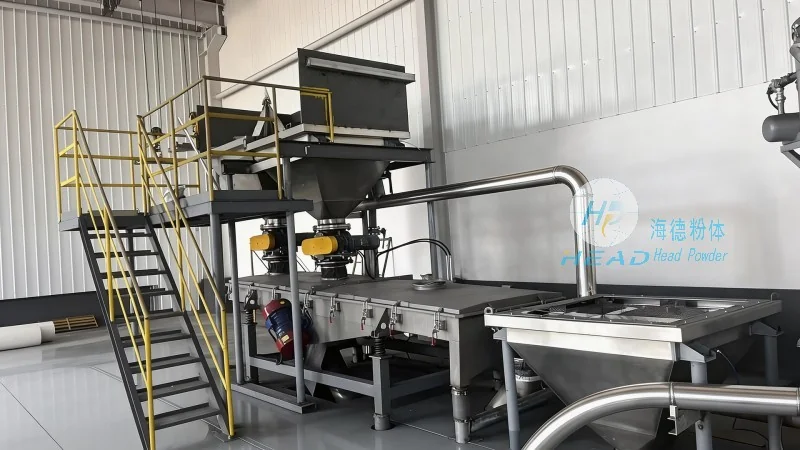
Operation Process of Dense Phase Material Handling Systems
The operation of a dense phase material handling system follows a systematic process that ensures efficient and reliable material transport. The process begins with the loading of the bulk material into the feed hopper. The material is then fed into the positive displacement pump, which pressurizes it to a predetermined level. The pressurized material is subsequently transported through the pipeline to the destination point, such as a storage silo or processing unit. The system continuously monitors the pressure and flow rate, adjusting the pump speed as needed to maintain consistent performance. This closed-loop control system ensures that the material is transported at the optimal velocity, minimizing the risk of clogging or degradation.
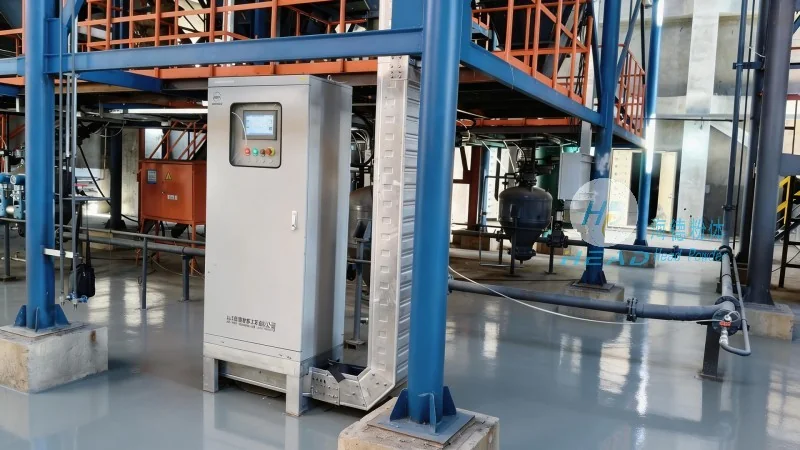
Working Principle of Dense Phase Material Handling Systems
The working principle of dense phase material handling systems is based on the concept of creating a dense, slurry-like mixture of material and carrier gas or liquid. In this state, the material particles are suspended and transported under pressure, rather than flowing freely as in pneumatic or gravity systems. The positive displacement pump plays a critical role by generating the necessary pressure to keep the material in a dense phase, preventing it from settling or clogging the pipeline. The pressure vessel or pipeline maintains the pressure, ensuring that the material moves smoothly through the system. The control system continuously adjusts the pump's operation to maintain the desired pressure and flow rate, ensuring consistent performance. This approach allows for efficient transport of materials that are difficult to handle using traditional methods, such as fine powders or abrasive materials.
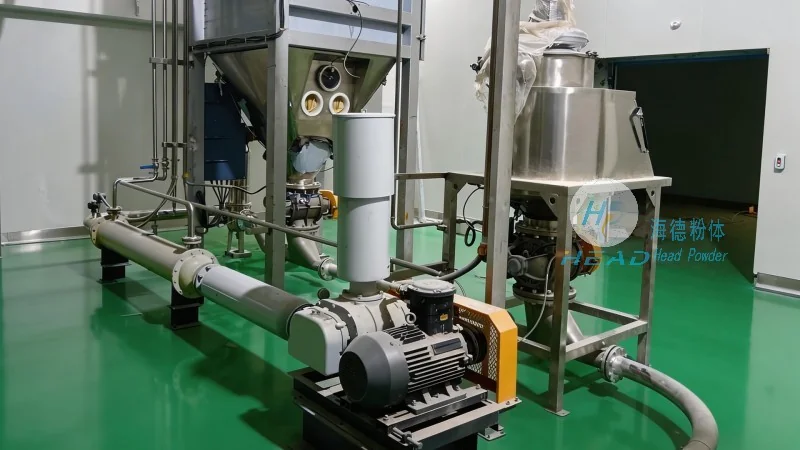
Advantages of Dense Phase Material Handling Systems
Dense phase material handling systems offer several advantages over traditional transport methods. One of the key benefits is the reduction in material degradation, as the material is transported under pressure rather than in a free-flowing state. This minimizes the risk of breakage or agglomeration, preserving the quality of the material. Additionally, these systems reduce dust emissions, making them more environmentally friendly and safer for operators. The consistent flow rate and pressure control also improve process efficiency, reducing downtime and maintenance costs. Furthermore, dense phase systems can handle a wide range of materials, including those that are difficult to transport using pneumatic or gravity systems, such as fine powders or sticky substances.
Applications of Dense Phase Material Handling Systems
Dense phase material handling systems are widely used in various industries due to their versatility and efficiency. In the chemical industry, these systems are used to transport powders and granules between processing units, ensuring a consistent supply of raw materials. In the food industry, they are employed to handle ingredients such as flour, sugar, and spices, maintaining product quality and safety. The pharmaceutical industry also benefits from these systems, as they can transport active pharmaceutical ingredients (APIs) and other sensitive materials without degradation. Additionally, in the mining and minerals sector, dense phase systems are used to transport ore and other bulk materials from mines to processing facilities. The ability to handle abrasive and corrosive materials makes these systems suitable for a wide range of applications.