

Operation Process and Working Principle of Fine Gray Material Conveying System
For industrial applications requiring efficient and reliable transport of fine gray powders, specialized conveying systems are essential. This article details the operation process and working principle of a fine gray material conveying system, highlighting key components, operational steps, and underlying mechanisms that ensure optimal performance. The system is engineered by Shandong HeadPowder Engineering Co., Ltd., a company based in Shandong, China, specializing in material handling solutions.
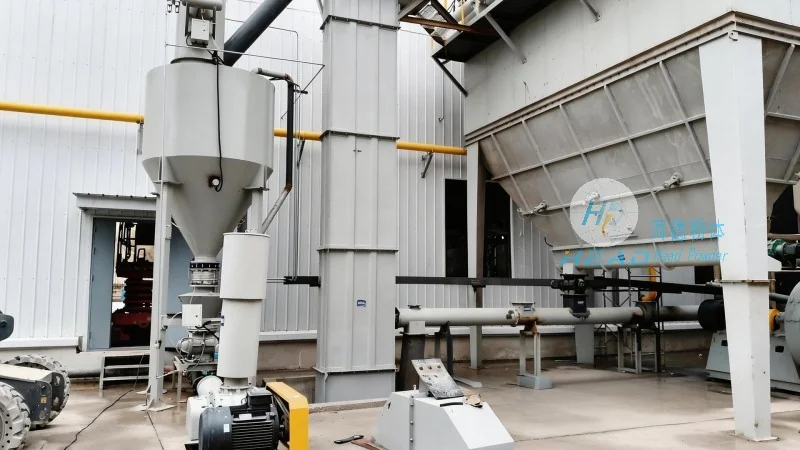
System Overview and Core Components
The fine gray material conveying system is designed to handle powders with particle sizes typically ranging from microns to hundreds of microns. Its design integrates several critical components that collaborate to achieve efficient material transport. These include a feeding hopper, a conveying mechanism (such as a screw or pneumatic system), a control panel, and a discharge outlet. Each component serves a vital role: the feeding hopper stores and feeds material into the system, the conveying mechanism moves the material through the system, the control panel allows operators to monitor and adjust parameters like speed and pressure, and the discharge outlet releases material for further processing. This integrated design ensures safe, consistent material handling.
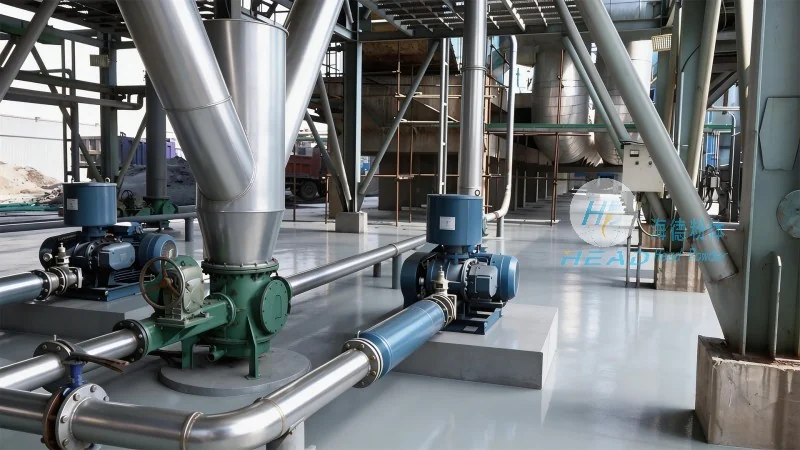
Operation Process: Step-by-Step Execution
The system operates through a systematic, continuous process. It begins with loading fine gray material into the feeding hopper. The material is then fed into the conveying mechanism, which moves it through the system. The control panel adjusts the conveying mechanism's speed and pressure to maintain the desired transport rate. The material exits the system via the discharge outlet. Real-time monitoring via the control panel ensures performance consistency, with minimal downtime for maintenance or adjustments. This continuous operation supports reliable material transport for industrial demands.
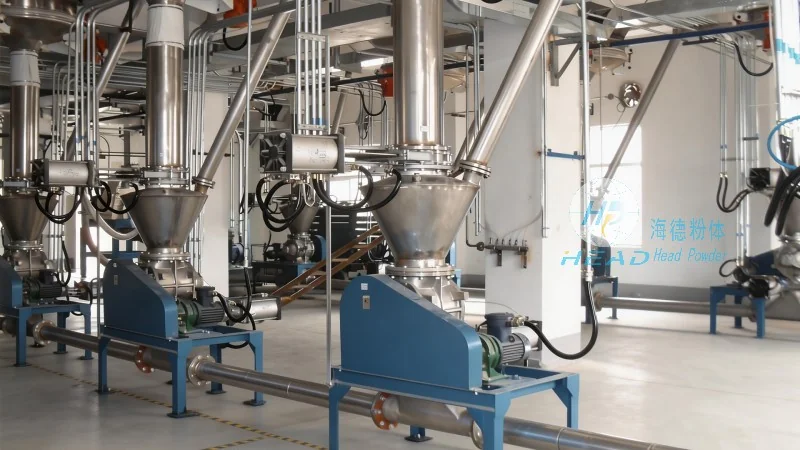
Working Principle: Mechanisms of Material Transport
The system's working principle combines fluid dynamics and mechanical motion. The feeding hopper provides a constant material supply, which enters the conveying mechanism. The mechanism uses a rotating screw or similar action to propel the material forward. The material is discharged through the outlet. The control panel enables operators to fine-tune speed and pressure, ensuring efficient transport with minimal loss. This design handles fine gray materials with high efficiency, making it suitable for diverse industrial applications.
Advantages and Practical Applications
The fine gray material conveying system offers several advantages, including high efficiency, low material loss, and ease of operation and maintenance. It is ideal for industries like chemical, pharmaceutical, and food processing, where fine powders are transported. The system also excels in dust control, minimizing generation during operation. These features make it a versatile solution for modern industrial environments.
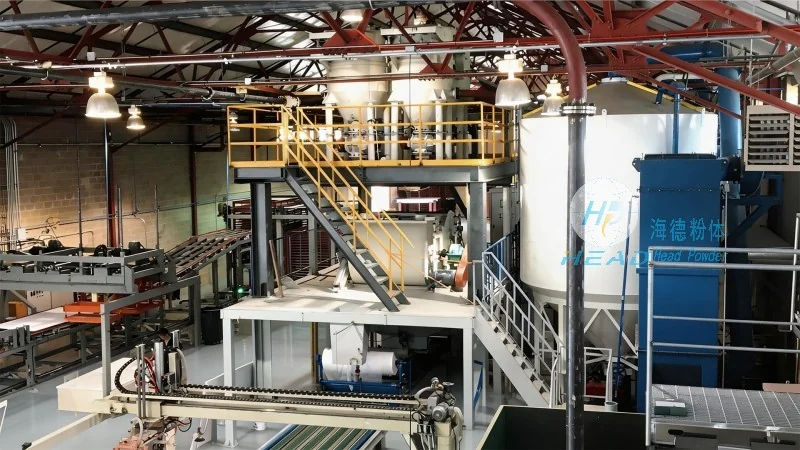
Conclusion: Importance of Efficient Material Handling
In summary, the fine gray material conveying system is a critical asset for industrial processes, ensuring reliable transport of fine powders. Engineered by Shandong HeadPowder Engineering Co., Ltd., the system combines durability, efficiency, and user-friendly operation. Its operation process and working principle are optimized for performance, supporting a wide range of applications and industrial environments. This system exemplifies advanced material handling technology tailored to meet the demands of contemporary industrial operations.