

Operation Process and Working Principle of Soil Material Conveying Systems
Soil material conveying systems are essential in various industrial and construction applications, designed to transport bulk materials such as soil, sand, gravel, and other earthy substances efficiently and reliably. These systems play a crucial role in processes like mining, construction site management, and environmental remediation, ensuring that materials are moved from one location to another with minimal human intervention and optimal performance. The operation of these systems involves a combination of mechanical components and control mechanisms that work in harmony to achieve consistent and safe material handling.
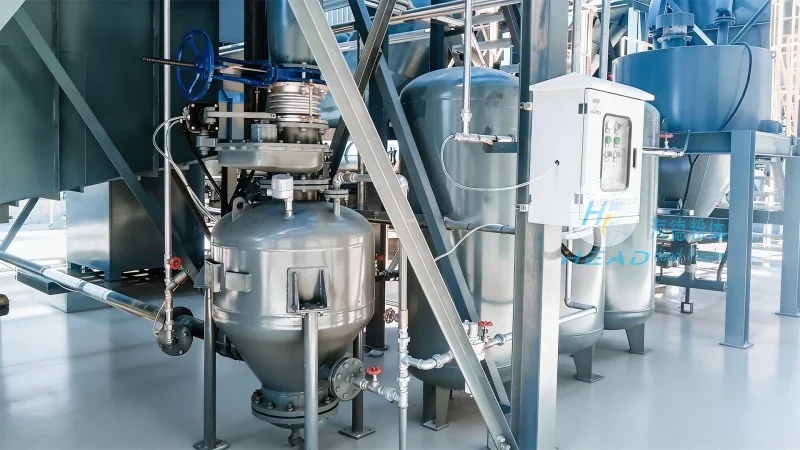
Key Components of Soil Material Conveying Systems
At the core of any soil material conveying system are several key components that ensure its proper functioning. The primary components include a feed hopper, conveyor belts or chains, drive mechanisms, and control systems. The feed hopper is responsible for receiving and storing the bulk material, regulating the flow rate to match the system's capacity. Conveyor belts or chains are the main transport elements, designed to move the material along the desired path. Drive mechanisms, such as electric motors or hydraulic systems, provide the necessary power to move the conveyor. Control systems, often integrated with sensors and automation technology, monitor the system's performance, adjust parameters, and ensure safety.
Working Principle of Soil Material Conveying Systems
The working principle of soil material conveying systems is based on the continuous movement of material through a series of mechanical parts. When the system is activated, the feed hopper releases the material into the conveyor belt or chain. The drive mechanism then pulls the conveyor, causing the material to move forward. The speed and tension of the conveyor are carefully controlled to prevent material spillage and ensure smooth transport. Sensors are often used to detect the level of material in the hopper and the speed of the conveyor, allowing the control system to adjust operations in real-time. This closed-loop control system ensures that the conveying process is efficient, consistent, and safe, minimizing downtime and maximizing throughput.
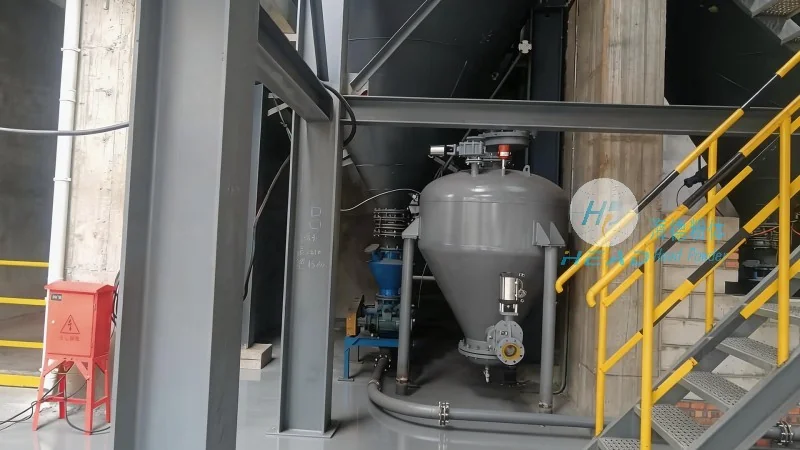
Operation Process of Soil Material Conveying Systems
The operation process of soil material conveying systems typically follows a standardized sequence to ensure optimal performance. First, the system is prepared by checking all components, including the feed hopper, conveyor, and drive mechanisms, for proper alignment and functionality. Next, the material is loaded into the feed hopper, and the system is started. The control system monitors the flow rate and conveyor speed, adjusting as needed to maintain a steady flow. During operation, the system continuously transports the material to the desired destination, such as a storage area or processing plant. Periodic checks are performed to ensure that the system is operating within its designed parameters, and any issues are addressed promptly to prevent disruptions. The entire process is designed to be automated, reducing the need for manual intervention and improving overall efficiency.
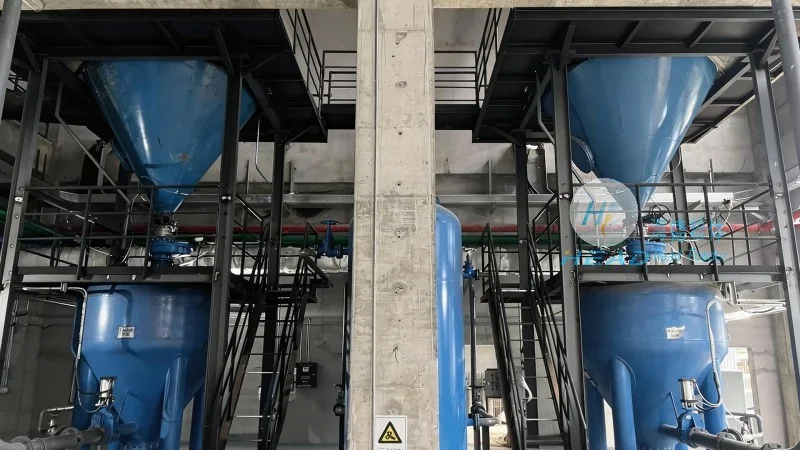
Applications and Benefits of Soil Material Conveying Systems
Soil material conveying systems are widely used in various industries due to their versatility and efficiency. In mining operations, these systems are used to transport ore and overburden from the mine site to processing facilities. In construction, they help move earth materials from excavation sites to disposal or storage areas. Environmental remediation projects also benefit from these systems, as they can efficiently transport contaminated soil for treatment and disposal. The benefits of using soil material conveying systems include increased productivity, reduced labor costs, improved safety by minimizing manual handling, and enhanced environmental control by preventing dust and spillage. These systems are designed to handle a wide range of materials and operating conditions, making them a reliable choice for many applications.
About Shandong HeadPowder Engineering Co., Ltd.
Shandong HeadPowder Engineering Co., Ltd., also known as headpowder, is a leading manufacturer and supplier of soil material conveying systems and related equipment. With a strong focus on innovation and quality, the company has established itself as a trusted partner in the industry. HeadPowder's products are designed to meet the specific needs of various applications, ensuring high performance and durability. The company's headquarters is located in Shandong, China, where it operates a state-of-the-art manufacturing facility and research and development center. HeadPowder is committed to providing reliable and efficient solutions for soil material handling, helping clients achieve their operational goals while maintaining safety and environmental standards.