

Operation Process and Working Principle of Powder Conveying Equipment for Ash Silos
For industrial facilities dealing with bulk materials, especially in power plants or waste management sectors, efficient handling of ash and other powders is crucial. The powder conveying equipment designed for ash silos by Shandong HeadPowder Engineering Co., Ltd. (commonly known as headpowder) plays a vital role in ensuring smooth material transfer processes. This equipment is engineered to handle the unique challenges of transporting fine powders, such as fly ash, bottom ash, or other particulate materials, from storage silos to processing or disposal units. The design and operation of this system are optimized for reliability, safety, and energy efficiency, making it a key component in modern industrial material handling systems.
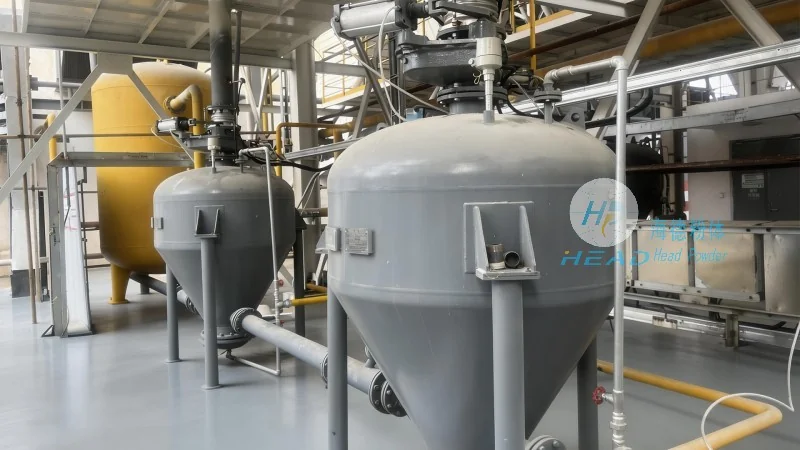
Key Components of the Powder Conveying System
The powder conveying equipment for ash silos typically consists of several interconnected components that work in harmony to achieve efficient material transfer. The primary components include the ash silo, which serves as the storage vessel for the bulk powder; a conveying mechanism, such as a screw conveyor, pneumatic conveyor, or bucket elevator, depending on the specific application; and control systems that regulate the flow and operation of the equipment. Each component is carefully selected and integrated to ensure seamless operation and minimal downtime. The ash silo is usually constructed from durable materials like steel or reinforced concrete to withstand the abrasive nature of the powders and the environmental conditions. The conveying mechanism is designed to handle the specific characteristics of the ash, such as its density, moisture content, and flowability, to prevent blockages and ensure consistent throughput. The control systems are equipped with sensors and monitoring devices to provide real-time data on the system's performance, allowing for quick adjustments and maintenance.
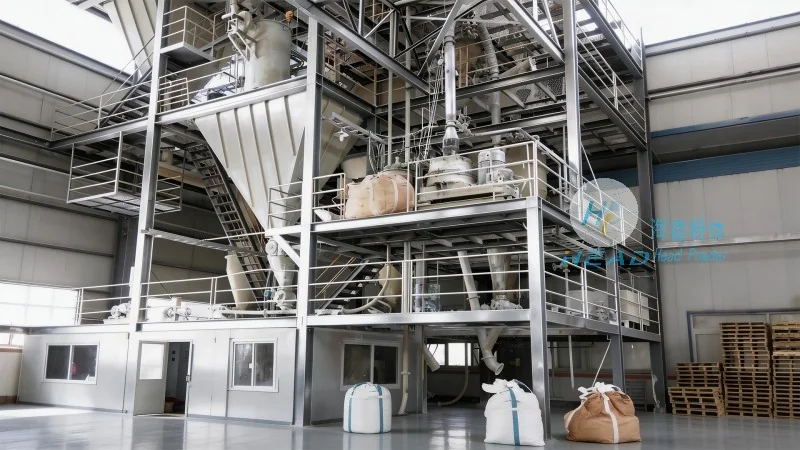
Operation Process of the Powder Conveying Equipment
The operation of the powder conveying equipment for ash silos follows a systematic process that ensures safe and efficient material transfer. The process begins with the loading of the ash into the silo, which can be done via a hopper or a conveyor system. Once the silo is filled, the conveying mechanism is activated to start the transfer. The equipment uses a combination of mechanical force and, in some cases, pneumatic pressure to move the powder from the silo to the discharge point. The speed and pressure of the conveying system are controlled to maintain a consistent flow rate, preventing overloading or underloading of the system. The control panel monitors the pressure, flow rate, and temperature of the system, providing alerts if any parameters deviate from the set points. This ensures that the system operates within safe and optimal conditions. The discharge point is typically connected to a processing unit or a disposal system, where the ash is further processed or disposed of according to regulatory requirements. The entire process is automated to minimize human intervention, reducing the risk of accidents and improving operational efficiency.
Working Principle of the Conveying Mechanism
The working principle of the powder conveying equipment for ash silos is based on the principles of fluidization and mechanical transport. For pneumatic conveying systems, the ash is suspended in a stream of air and transported through a pipeline. The air is forced through the pipeline at a high velocity, creating a low-pressure zone that draws the ash particles into the air stream. The air and ash mixture then travels to the discharge point, where the air is separated from the ash, often using a cyclone separator or a filter. For mechanical conveying systems, such as screw conveyors or bucket elevators, the ash is moved by the rotation of a screw or the movement of buckets. The screw conveyor uses a rotating screw to push the ash forward, while the bucket elevator uses buckets attached to a chain or belt to lift and transport the ash vertically. Both systems rely on the friction between the ash particles and the conveying mechanism to ensure smooth movement. The design of the conveying mechanism is critical to prevent the buildup of static electricity, which can be a safety hazard in powder handling operations. Proper grounding and insulation are used to mitigate this risk, ensuring safe operation.
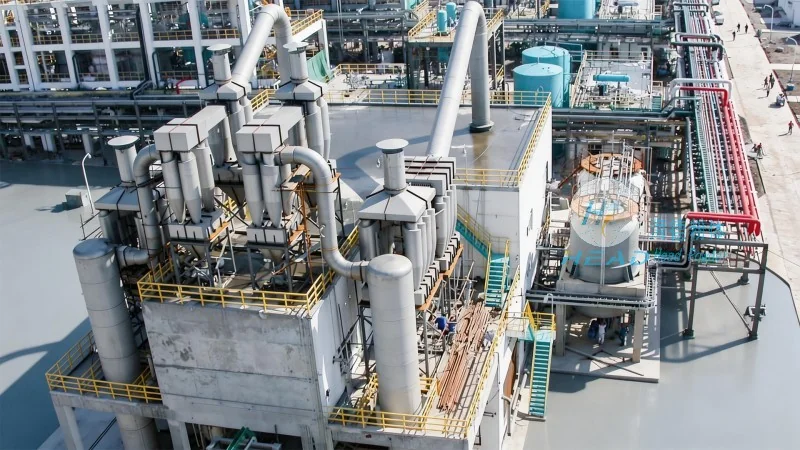
Advantages of Using HeadPowder's Ash Silo Conveying Equipment
Shandong HeadPowder Engineering Co., Ltd. offers several advantages with its powder conveying equipment for ash silos. The equipment is designed for high efficiency, with minimal energy consumption and maximum throughput. The use of durable materials and robust construction ensures long service life and low maintenance costs. The automated control systems provide real-time monitoring and adjustment, reducing the need for manual intervention and improving operational safety. The equipment is also designed to comply with environmental regulations, ensuring that the ash is handled in an environmentally friendly manner. Additionally, the equipment is customizable to meet the specific requirements of different industrial applications, allowing for flexibility in design and operation. The company's expertise in powder handling technology ensures that the equipment is optimized for the unique characteristics of the ash, such as its particle size, moisture content, and flowability. This results in a more reliable and efficient system that meets the needs of modern industrial facilities.