

Operation Process and Working Principle of Limestone Powder Handling Equipment
For industrial applications requiring the efficient and reliable transport of limestone powder, understanding the operation process and working principle of specialized handling equipment is crucial. This article provides a detailed overview of how limestone powder handling systems function, focusing on the key components, operational steps, and technical aspects that ensure optimal performance in various industrial settings.
Introduction to Limestone Powder Handling Equipment
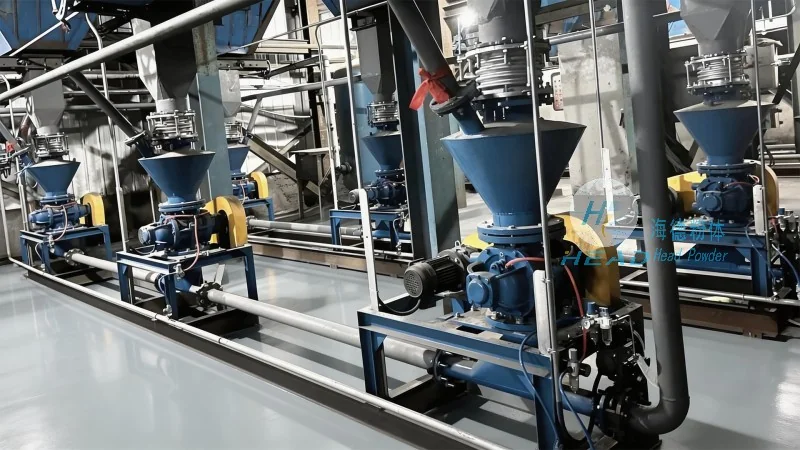
Limestone powder handling equipment is designed to manage the transport, storage, and distribution of limestone powder, a widely used material in industries such as construction, chemical manufacturing, and environmental remediation. The equipment from Shandong HeadPowder Engineering Co., Ltd. (headpowder) is engineered to meet the demands of high-volume, low-dust, and precise material handling. By integrating advanced technology and robust design, these systems enhance productivity while maintaining safety and efficiency in industrial operations.
Key Components of Limestone Powder Handling Systems
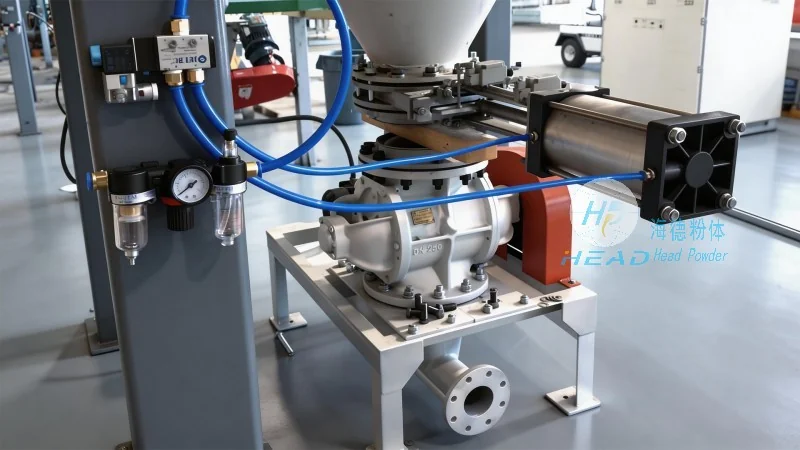
The operation of limestone powder handling equipment relies on several critical components that work in tandem to ensure smooth material flow. The primary components include: feeders, conveying systems (such as pneumatic or mechanical conveyors), storage silos, and control systems. Each component plays a vital role in the overall functionality of the system. For instance, feeders regulate the flow of limestone powder from the storage silo to the conveyor, preventing overloading and ensuring consistent material delivery. Conveying systems, whether pneumatic (using air pressure to move powder) or mechanical (using belts or screws), transport the powder to the desired destination. Storage silos provide a controlled environment for bulk storage, maintaining the quality and preventing moisture or contamination. Control systems monitor and adjust the operation of all components, ensuring the system runs efficiently and safely.
Operation Process of Limestone Powder Handling Equipment
The operation process of limestone powder handling equipment typically involves several sequential steps. First, the limestone powder is fed from the storage silo into the feeder. The feeder then regulates the flow rate, ensuring a steady supply to the conveying system. Next, the conveying system transports the powder to the processing or packaging area. In pneumatic systems, air is used to create a pressure differential that moves the powder through pipes. In mechanical systems, rotating components like screws or belts push the powder forward. The powder is then discharged at the destination, where it may be further processed or stored. Throughout the process, control systems continuously monitor parameters such as pressure, flow rate, and temperature, making adjustments as needed to maintain optimal performance. This systematic approach ensures that the handling process is efficient, consistent, and safe, minimizing downtime and maximizing productivity.
Working Principle of Limestone Powder Handling Equipment
The working principle of limestone powder handling equipment is based on the principles of material flow and mechanical/ pneumatic transport. The equipment operates by converting the potential energy of the stored material into kinetic energy for transport. In mechanical conveyors, this is achieved through rotating components that push the powder along a path. In pneumatic conveyors, air pressure creates a flow that carries the powder through the system. The control systems play a crucial role in regulating these processes, ensuring that the flow rate, pressure, and other parameters are maintained within safe and efficient limits. The design of the equipment, including the shape of the silos, the type of feeders, and the layout of the conveying lines, is optimized to minimize friction and resistance, reducing energy consumption and wear on components. This integrated approach ensures that the system operates reliably and efficiently, even under high-volume conditions.
Benefits of Using Limestone Powder Handling Equipment
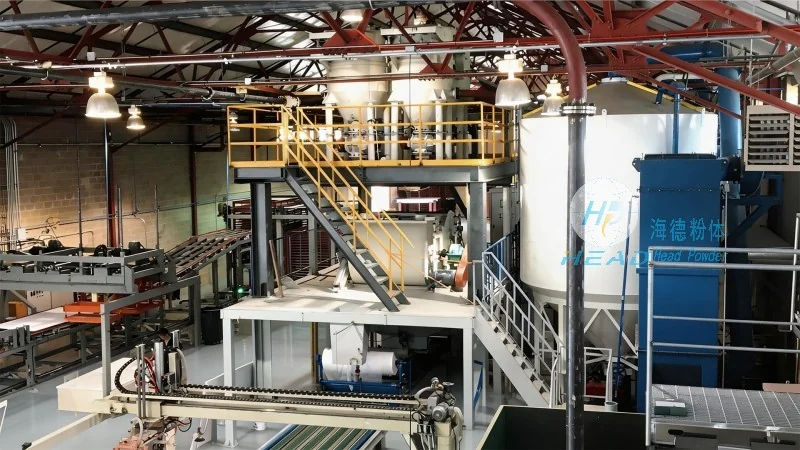
Implementing limestone powder handling equipment from headpowder offers several significant benefits for industrial operations. Firstly, it enhances productivity by enabling high-volume, continuous material transport, reducing the need for manual handling and minimizing downtime. Secondly, the equipment is designed to minimize dust generation, improving workplace safety and compliance with environmental regulations. Thirdly, the precise control systems ensure consistent material quality, which is critical for downstream processes such as chemical reactions or construction applications. Additionally, the robust design of the equipment ensures long-term reliability, reducing maintenance costs and extending the operational life of the system. By investing in specialized limestone powder handling equipment, industries can achieve improved efficiency, safety, and cost-effectiveness in their operations.
Conclusion
In conclusion, the operation process and working principle of limestone powder handling equipment are critical to the efficient management of limestone powder in industrial applications. The equipment from Shandong HeadPowder Engineering Co., Ltd. combines advanced technology and robust design to provide reliable, high-performance solutions for material handling. By understanding the key components, operational steps, and working principles, industries can optimize their processes, enhance productivity, and ensure safety and compliance. As a leading provider of limestone powder handling equipment, headpowder continues to innovate and deliver solutions that meet the evolving needs of industrial sectors worldwide.