

Operation Process and Working Principle of Iron Sand Powder Conveying Equipment
Iron sand powder conveying equipment is a specialized system designed for the efficient transport of iron sand powder, a critical material in various industrial applications. The equipment operates by integrating multiple components to ensure smooth material handling, from initial feeding to final discharge. This article provides a detailed overview of the operation process and working principles of such equipment, highlighting the key mechanisms and functional aspects that contribute to its effectiveness. Manufactured by Shandong HeadPowder Engineering Co., Ltd. (headpowder), based in Shandong, China, this equipment is engineered to meet the demands of modern industrial processing.
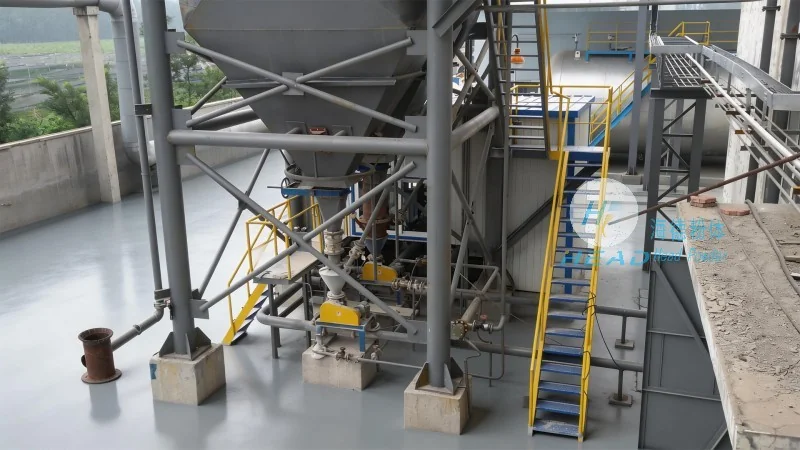
Key Components and Their Roles
The iron sand powder conveying equipment typically consists of several essential components, each playing a crucial role in the overall conveying process. These components include the hopper for material storage, the conveyor system (such as screw conveyors or pneumatic conveyors), control valves, and a discharge mechanism. The hopper is designed to hold a sufficient quantity of iron sand powder, ensuring a steady supply to the conveyor. The conveyor system is responsible for transporting the powder from the hopper to the desired location, while control valves regulate the flow rate and pressure within the system. The discharge mechanism facilitates the release of the powder at the end of the conveying path.
Operation Process of Iron Sand Powder Conveying Equipment
The operation process of iron sand powder conveying equipment begins with the loading of iron sand powder into the hopper. Once the hopper is filled, the conveyor system is activated, initiating the transport of the powder. The screw conveyor, for instance, uses rotating screws to push the powder forward, while pneumatic conveyors utilize air pressure to move the material through a pipeline. As the powder moves through the conveyor, it is continuously monitored for flow consistency and pressure changes. The control valves adjust the air or mechanical force to maintain optimal conveying conditions, preventing blockages or uneven flow. Upon reaching the discharge point, the powder is released into the target container or processing unit. The entire process is automated, with sensors and control systems ensuring that the conveying operation runs smoothly and efficiently.
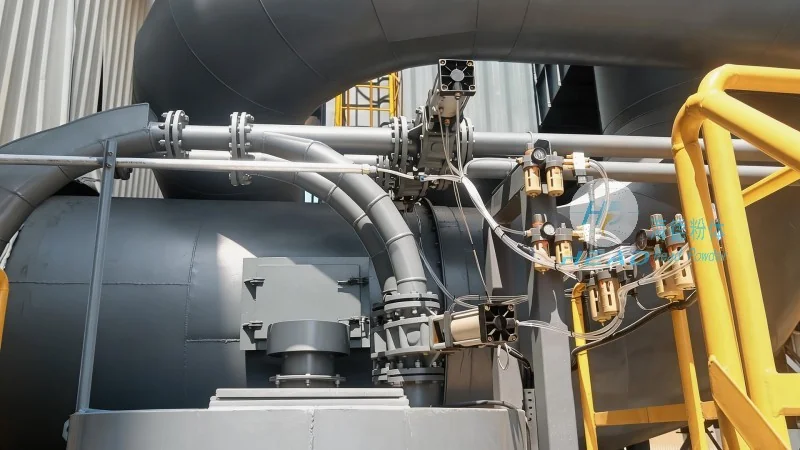
Working Principle of Iron Sand Powder Conveying Equipment
The working principle of iron sand powder conveying equipment is based on the principles of fluidization and mechanical transport. In pneumatic conveying systems, the iron sand powder is suspended in a stream of air, creating a fluidized state that allows for easy movement through the pipeline. The air pressure is carefully controlled to maintain the powder in a suspended state, preventing it from settling or clogging the system. In mechanical conveying systems, such as screw conveyors, the rotating screws exert a pushing force on the powder, causing it to move along the conveyor path. The design of the screw and the hopper ensures that the powder is fed uniformly and continuously, minimizing the risk of material accumulation or blockages. The combination of these principles enables the equipment to handle iron sand powder effectively, ensuring high throughput and low maintenance requirements.
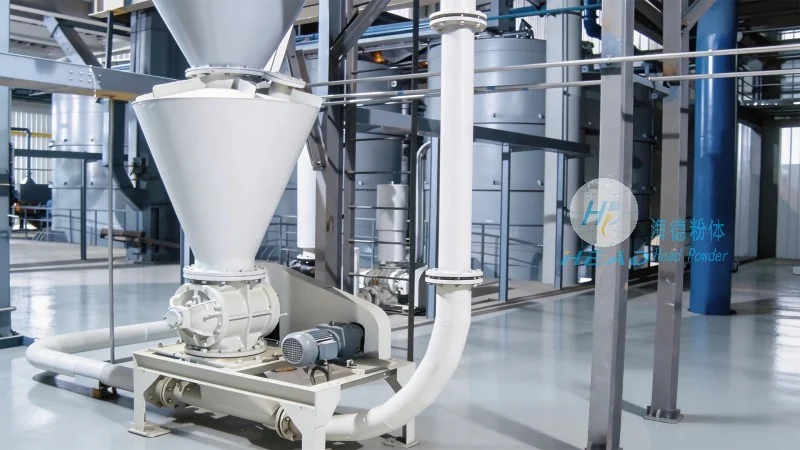
Advantages and Applications
Iron sand powder conveying equipment offers several advantages in industrial settings, making it a preferred choice for material handling. The equipment is capable of handling large volumes of iron sand powder with minimal labor, reducing operational costs and improving productivity. It also ensures consistent material quality by maintaining uniform flow and preventing contamination. The equipment is widely used in industries such as mining, construction, and manufacturing, where iron sand powder is a key raw material. For example, in the production of magnetic materials, the conveying equipment is used to transport iron sand to the processing units, ensuring a steady supply of raw material. In construction, the equipment is used to transport iron sand for concrete production, contributing to the efficiency of the construction process.
Maintenance and Operational Considerations
Proper maintenance is essential to ensure the long-term performance and reliability of iron sand powder conveying equipment. Regular inspection of the conveyor components, such as the screws and pipelines, is necessary to detect any signs of wear or damage. The control valves and sensors should be checked periodically to ensure they are functioning correctly. The hopper and discharge mechanisms should be cleaned regularly to prevent the accumulation of powder and reduce the risk of blockages. Operational considerations also include the proper selection of the conveying system based on the characteristics of the iron sand powder, such as particle size and moisture content. The equipment should be operated within the specified parameters to avoid overloading or excessive pressure, which can lead to equipment failure. By following these maintenance and operational guidelines, the equipment can operate efficiently and reliably, minimizing downtime and maximizing productivity.