

What is a Soy Protein Powder Pneumatic Conveying System? Exploring Its Design Principles
A soy protein powder pneumatic conveying system is a specialized industrial equipment designed to transport soy protein powder through a pipeline using air or gas as the conveying medium. This method offers an efficient and hygienic solution for moving bulk materials like soy protein powder, which is widely used in the food and nutritional supplement industries. The system combines the advantages of pneumatic transport with the specific requirements of handling fine, dry powders such as soy protein, ensuring minimal product degradation and contamination during the transfer process.
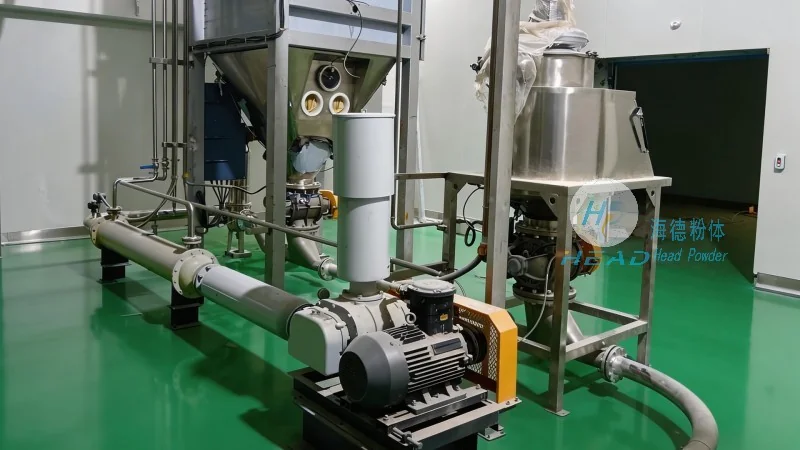
Key Components of the Pneumatic Conveying System
The soy protein powder pneumatic conveying system typically consists of several critical components that work in tandem to achieve effective material transport. These components include a hopper or feeder for material storage and feeding, a blower or compressor to generate the air flow, a pipeline network for conveying the powder, and a receiver or discharge hopper for the material's final destination. Each component plays a vital role in maintaining the system's efficiency and ensuring the quality of the soy protein powder remains intact.
Design Principles and Operational Mechanisms
The design principles of a soy protein powder pneumatic conveying system are centered on optimizing air flow, pressure, and material handling to prevent issues like clogging, agglomeration, or product degradation. The system operates by creating a pressure differential between the inlet and outlet of the pipeline. The blower generates a high-velocity air stream that draws the soy protein powder from the hopper into the pipeline. The powder is then suspended in the air stream and transported to the receiver. Key design considerations include the type of air flow (positive or negative pressure), the size and configuration of the pipeline, and the selection of appropriate materials for the system components to ensure compatibility with soy protein powder and maintain hygiene standards.
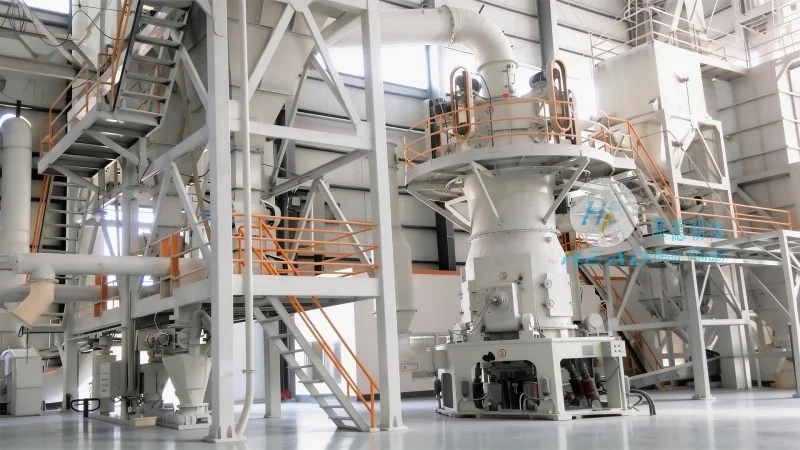
Advantages of Using a Pneumatic Conveying System for Soy Protein Powder
Implementing a pneumatic conveying system for soy protein powder offers several advantages over traditional methods like belt conveyors or bucket elevators. Firstly, it provides a closed system that minimizes exposure to contaminants and dust, which is crucial for maintaining the purity of soy protein powder used in food products. Secondly, the system allows for gentle handling of the fine powder, reducing the risk of particle breakage or agglomeration that can affect the powder's quality and flow characteristics. Additionally, pneumatic conveying systems are highly flexible, enabling easy integration with existing production lines and the ability to transport materials over longer distances with minimal energy consumption compared to other bulk handling methods.
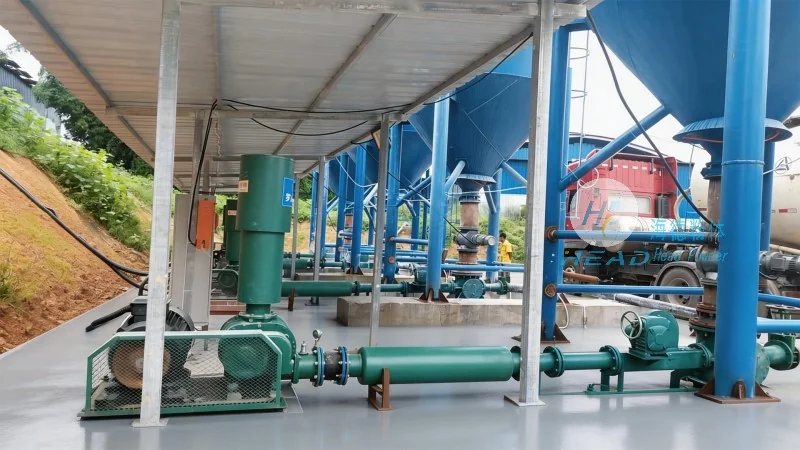
Application Scenarios and Industry Use Cases
Soy protein powder pneumatic conveying systems are widely used in various industrial applications, particularly in the food processing and nutritional supplement sectors. In food manufacturing, these systems are employed to transport soy protein powder from storage silos to mixing lines, blending facilities, or packaging stations. In nutritional supplement production, they facilitate the transfer of soy protein powder into encapsulation or granulation equipment. The systems are also utilized in research and development laboratories where precise and controlled material handling is essential for testing and formulation processes. The versatility of the pneumatic conveying system makes it suitable for both large-scale industrial operations and smaller-scale production environments, adapting to different throughput requirements and production scales.
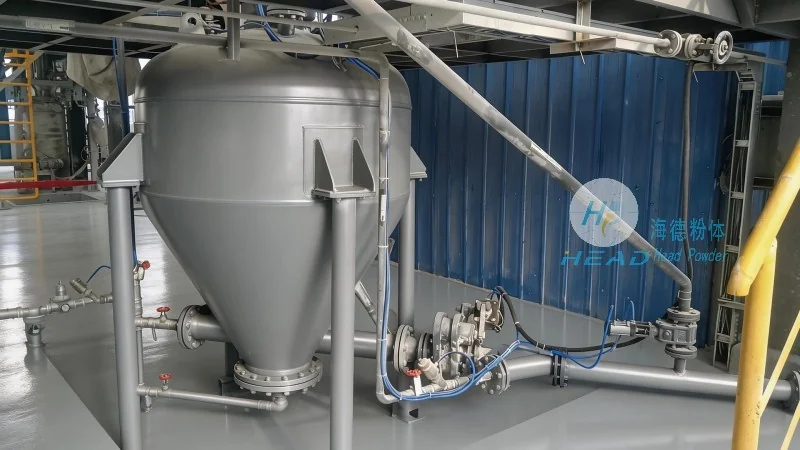
Considerations for System Installation and Maintenance
When installing a soy protein powder pneumatic conveying system, several factors must be considered to ensure optimal performance and longevity. Proper site selection is critical, as the system should be placed in a location that allows for easy access to utilities like electricity and compressed air, while also minimizing the risk of dust accumulation or contamination from external sources. The pipeline layout should be designed to avoid sharp bends or narrow sections that could cause pressure drops or material blockages. Regular maintenance is essential to keep the system running efficiently. This includes cleaning the hopper and pipeline to prevent powder buildup, inspecting the blower and compressor for wear and tear, and checking the seals and connections for any signs of leakage. Proper maintenance not only extends the system's lifespan but also ensures consistent performance and product quality.
Conclusion: The Role of Pneumatic Conveying Systems in Soy Protein Powder Handling
In conclusion, a soy protein powder pneumatic conveying system is a sophisticated and efficient solution for handling bulk soy protein powder in industrial settings. By leveraging pneumatic transport principles, these systems offer a hygienic, gentle, and flexible method of material transfer that meets the stringent requirements of the food and nutritional supplement industries. The design principles, operational mechanisms, and advantages of such systems make them a preferred choice for companies like Shandong HeadPowder Engineering Co., Ltd., which specializes in providing tailored bulk material handling solutions. As the demand for high-quality soy protein products continues to grow, the importance of reliable and efficient conveying systems like these will only increase, ensuring that soy protein powder is handled with the care and precision it deserves throughout the production process.