

What is a Soda Ash Material Conveying Line? And What Are Its Design Principles?
For industrial operations dealing with soda ash, understanding the material conveying line and its design principles is crucial for efficient production and safety. This article provides an in-depth look at what a soda ash material conveying line is and the fundamental design principles that govern its operation.
Introduction to Soda Ash Material Conveying Lines
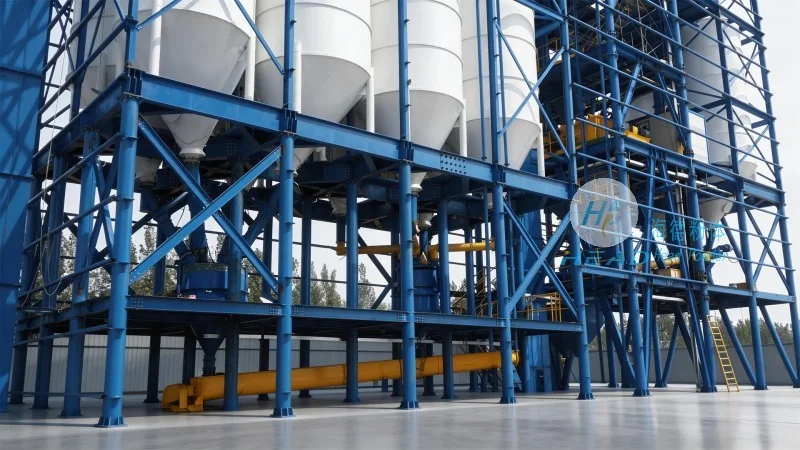
Soda ash, also known as sodium carbonate, is a widely used chemical in various industries such as glass manufacturing, chemical processing, and water treatment. The efficient transportation of soda ash from storage to processing units is essential for maintaining production continuity and minimizing material loss. A soda ash material conveying line is a system designed to move this bulk material in a controlled and safe manner. Such systems typically consist of components like hoppers, feeders, conveyors (e.g., belt conveyors, screw conveyors), and control mechanisms to ensure smooth material flow.
Key Design Principles of Soda Ash Conveying Lines
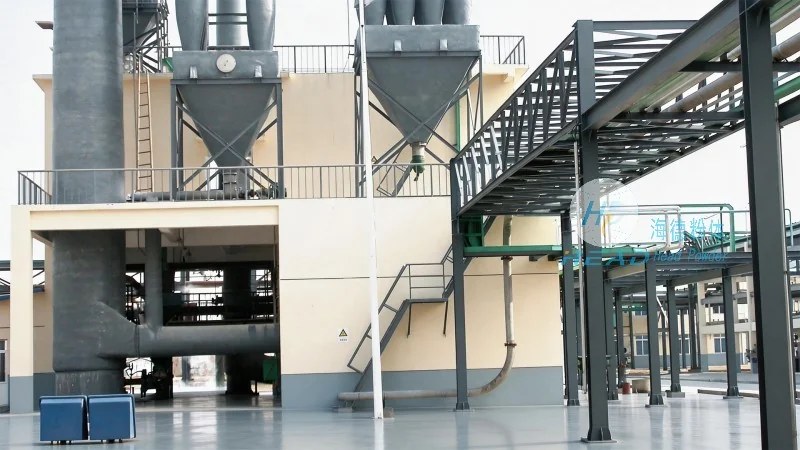
The design of a soda ash material conveying line is based on several critical principles to ensure optimal performance, reliability, and safety. These principles include:
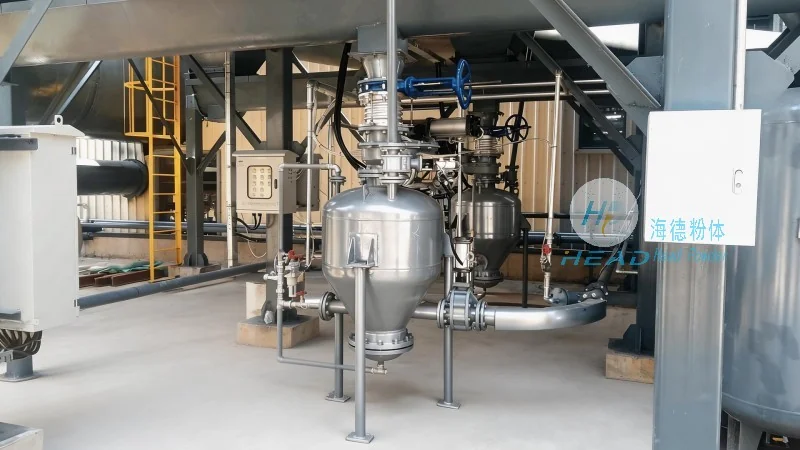
- Material Compatibility: The equipment used must be compatible with soda ash to prevent corrosion or degradation. Materials like stainless steel, special alloys, or coated components are often chosen to withstand the chemical properties of soda ash.
- Flow Control: Proper control of material flow is essential to avoid issues like blockages, overloading, or uneven distribution. Feeders and control valves are integrated into the system to regulate the flow rate and ensure consistent material delivery.
- Prevention of Dust and Contamination: Soda ash is a fine powder that can generate dust, which poses health and safety risks. Conveying systems often incorporate dust suppression measures, such as sealed enclosures, dust collection systems, and air filtration to maintain a clean working environment.
- Energy Efficiency: Designing the conveying line for energy efficiency reduces operational costs. This can be achieved through the selection of appropriate conveyor types, motor sizing, and the use of variable frequency drives to adjust speed based on load.
- Safety and Maintenance: Safety is a top priority in industrial material handling. The design incorporates safety features like emergency stop buttons, overload protection, and easy access for maintenance. Regular maintenance schedules are also critical to ensure the longevity and reliability of the system.
Components of a Typical Soda Ash Conveying Line
A typical soda ash material conveying line includes several key components that work together to transport the material:
- Hoppers and Feeders: Hoppers are used to store and feed the soda ash into the conveying system. Feeders, such as rotary or vibratory feeders, regulate the flow of material from the hopper to the conveyor, ensuring a consistent feed rate.
- Conveyors: The primary component for moving the material is the conveyor. Belt conveyors are commonly used for horizontal and slight incline transport due to their high capacity and low maintenance. Screw conveyors are suitable for vertical or inclined transport and can also mix or blend the material.
- Control Systems: Modern conveying lines are equipped with control systems that monitor and regulate the operation. These systems may include sensors to detect material levels, flow rates, and blockages, as well as control panels to adjust the speed and direction of the conveyor.
- Dust Collection and Filtration: To manage dust and maintain air quality, dust collection systems are integrated. These systems capture dust generated during material handling and filter it before releasing it back into the environment.
Applications and Benefits
Soda ash material conveying lines are used in various industrial applications where bulk material handling is required. The benefits of using such a system include improved production efficiency, reduced labor costs, minimized material loss, and enhanced safety. By ensuring a continuous and controlled flow of soda ash, these systems contribute to the overall productivity and profitability of the operation.
About Shandong HeadPowder Engineering Co., Ltd.
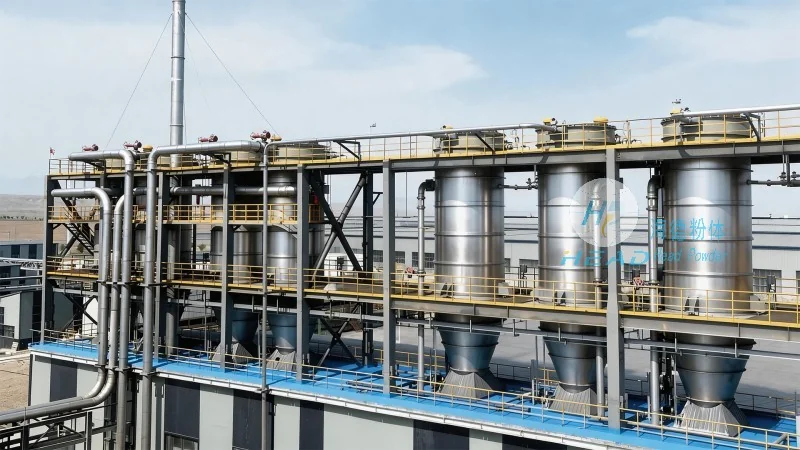
Shandong HeadPowder Engineering Co., Ltd., commonly known as HeadPowder, is a leading manufacturer specializing in industrial material handling solutions. With a focus on quality and innovation, HeadPowder provides customized conveying systems tailored to the specific needs of clients in the soda ash and other chemical industries. The company's expertise in material handling technology ensures that their conveying lines are designed to meet the highest standards of performance, safety, and reliability. HeadPowder's commitment to customer satisfaction and technical excellence has made it a trusted partner for businesses seeking efficient and reliable material conveying solutions.