

Operation Process and Working Principle of Automatic Quantitative Powder Transport System
The automatic quantitative powder transport system is a sophisticated piece of industrial equipment designed to handle the precise and efficient transfer of bulk powders. This system is engineered to meet the stringent requirements of various industries, including pharmaceuticals, food processing, and chemical manufacturing, where accuracy and reliability are paramount. The system operates under the control of advanced automation technology, ensuring consistent and repeatable performance in powder handling tasks.
Key Components and Their Roles
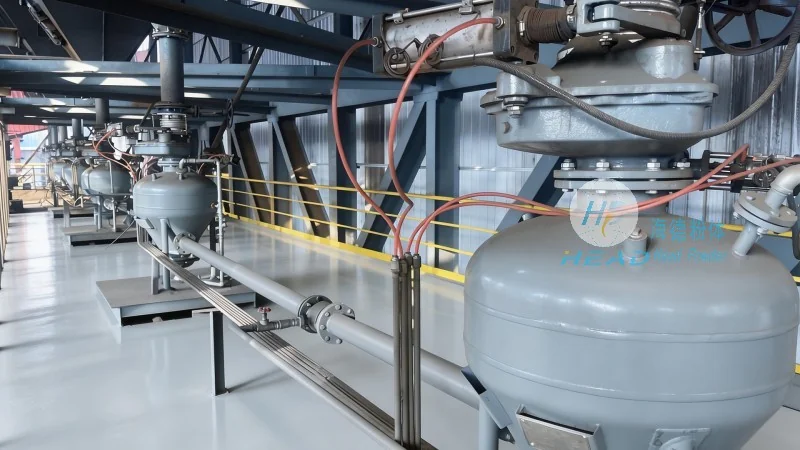
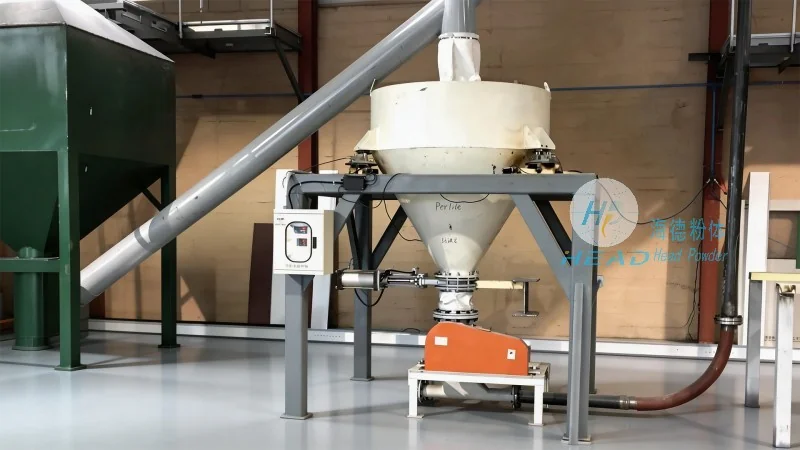
At the core of the system are several critical components that work in concert to achieve accurate powder transport. The primary components include a hopper for material storage, a feeder mechanism for controlled discharge, a conveyor system for material movement, and a weighing or volumetric measurement unit for precise quantification. Each component is meticulously designed to contribute to the overall efficiency and accuracy of the powder transport process. The hopper is typically made of durable materials such as stainless steel to prevent contamination and ensure long-term durability. The feeder, often a rotary valve or a screw feeder, regulates the flow rate of the powder, which is a crucial factor in maintaining the accuracy of the measurement. The conveyor system, which may include a belt or a pneumatic line, transports the powder from the hopper to the weighing or discharge point. The measurement unit, which can be a load cell-based scale or a volumetric sensor, provides real-time data on the quantity of powder being transported. These components are integrated with a control system that manages the entire operation, ensuring that each step is executed according to pre-set parameters.
Operation Process: Step-by-Step Explanation
The operation of the automatic quantitative powder transport system follows a systematic sequence of steps, each designed to ensure the accurate and efficient transfer of powder. The process begins with the loading of the hopper with the bulk powder. Once the hopper is filled, the control system initiates the feeding process. The feeder mechanism starts to discharge the powder at a controlled rate, which is determined by the desired quantity and the material's flow characteristics. As the powder is fed, it moves through the conveyor system towards the measurement unit. The measurement unit continuously monitors the amount of powder being transported and provides feedback to the control system. When the target quantity is reached, the feeder stops, and the conveyor system halts, preventing overfilling. The system then prepares for the next cycle, either by resetting the measurement or by moving the powder to the discharge point. This cycle repeats as needed, allowing for continuous and automated powder transport. The entire process is monitored by the control system, which can adjust parameters such as flow rate or measurement time based on real-time feedback, ensuring optimal performance under varying conditions.
Working Principle: How the System Achieves Precision
The working principle of the automatic quantitative powder transport system is based on the integration of mechanical, electrical, and control technologies to achieve precise powder handling. The system relies on a combination of volumetric and/or gravimetric measurement methods to determine the quantity of powder being transported. Volumetric measurement involves measuring the volume of the powder in the hopper or conveyor, while gravimetric measurement uses load cells to measure the weight of the powder. The system may use a combination of both methods to enhance accuracy, especially for materials with varying bulk densities. The control system processes the data from the measurement unit and adjusts the feeder speed or other parameters to maintain the desired flow rate. This closed-loop control system ensures that the actual quantity of powder transported matches the setpoint, minimizing errors and variations. The system also incorporates safety features such as overload protection and material blockage detection to prevent equipment damage and ensure operational safety. Additionally, the system can be programmed with different parameters for various powder types, allowing for flexibility in handling different materials with different flow properties. This adaptability makes the system suitable for a wide range of industrial applications.
Benefits and Applications
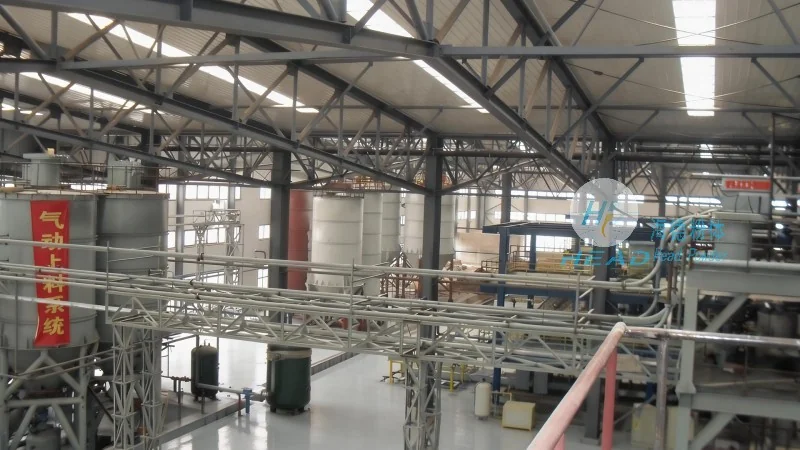
The automatic quantitative powder transport system offers numerous benefits to industries that require precise powder handling. The primary benefit is the high level of accuracy and repeatability, which is essential for applications where the quality of the final product depends on the exact amount of powder used. This system reduces the risk of over or under-dosing, which can lead to product defects or waste. Another significant benefit is the improved efficiency and productivity. The automated operation eliminates the need for manual intervention, allowing for continuous operation and reduced labor costs. The system also enhances safety by minimizing human exposure to powders and reducing the risk of accidents. The system is widely used in pharmaceutical manufacturing for the precise dosing of active ingredients, in food processing for the accurate measurement of ingredients like flour or sugar, and in chemical manufacturing for the controlled addition of reagents. The adaptability of the system to different powder types and flow characteristics makes it a versatile solution for various industrial needs.