

Operation Process and Working Principle of a Lime Powder Pneumatic Conveying Machine
HeadPowder, a leading manufacturer in the field of material handling equipment, specializes in providing efficient and reliable solutions for the transportation of bulk materials. One of their key products is the lime powder pneumatic conveying machine, which is widely used in various industrial applications for its ability to handle fine powders like lime with precision and minimal loss. This article delves into the detailed operation process and working principle of such a machine, highlighting its design, components, and the step-by-step procedures involved in its operation.
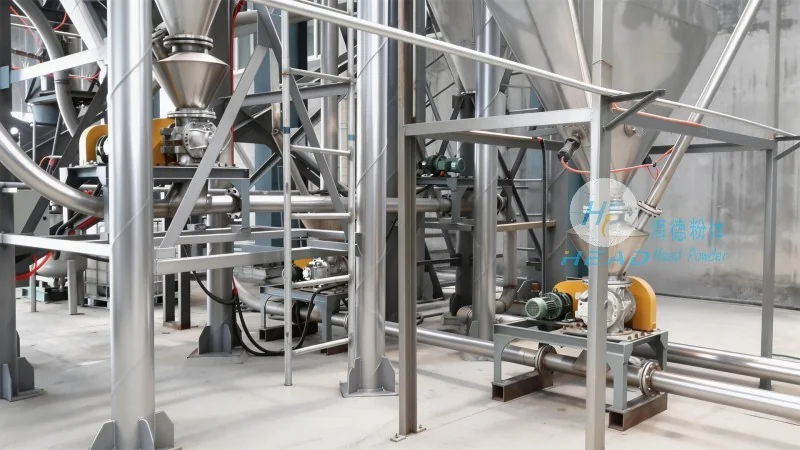
Introduction to Lime Powder Pneumatic Conveying Machines
A lime powder pneumatic conveying machine is a system designed to transport dry, fine powders through a pipeline using air or gas as the conveying medium. The primary goal is to move materials from a source point to a destination point without the need for mechanical components like belts or buckets, which can be prone to wear and tear and may cause contamination. This method is particularly advantageous for materials that are dusty, abrasive, or sensitive to moisture, as it minimizes the risk of product degradation and ensures a clean, hygienic transfer process.
Key Components of the Pneumatic Conveying System
The operation of a lime powder pneumatic conveying machine relies on several critical components that work in tandem to achieve efficient material transport. These components include the hopper, feeder, air compressor, conveying line, and receiver. Each component plays a vital role in the overall functionality of the system:
1. **Hopper**: The hopper is the storage container where the lime powder is initially held before it is fed into the system. It is typically designed with a conical or rectangular shape to facilitate the flow of powder and prevent clogging. The hopper is equipped with a discharge valve or a rotary valve that controls the rate at which the powder is released into the feeder.
2. **Feeder**: The feeder is responsible for metering the lime powder and delivering it to the conveying line at a consistent rate. Common types of feeders used in pneumatic conveying systems include rotary valves, screw feeders, and vibratory feeders. The feeder ensures that the material is introduced into the air stream in a controlled manner, preventing surges or blockages that could disrupt the conveying process.
3. **Air Compressor**: The air compressor generates the necessary pressure and volume of air or gas to create the conveying force. The compressor is typically a positive displacement type, such as a rotary screw or reciprocating compressor, which can deliver high-pressure air to drive the material through the pipeline. The pressure and flow rate of the air are critical parameters that determine the conveying capacity and distance of the system.
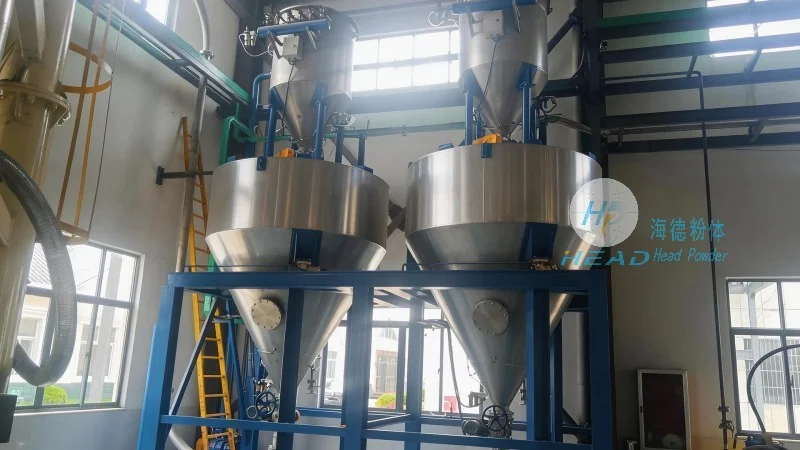
4. **Conveying Line**: The conveying line is the pipeline through which the lime powder and air mixture travels from the feeder to the receiver. It is usually made of stainless steel or other corrosion-resistant materials to withstand the abrasive nature of the lime powder and prevent contamination. The line may include bends, elbows, and expansion joints to accommodate changes in direction and maintain the flow of the material.
5. **Receiver**: The receiver is the final container where the conveyed lime powder is deposited. It is designed to collect the material efficiently and may include a discharge valve or a rotary valve to control the release of the material. The receiver is often equipped with a dust collection system or a vent to prevent pressure buildup and ensure safe operation.
Step-by-Step Operation Process
The operation of a lime powder pneumatic conveying machine involves a series of sequential steps that ensure the smooth and continuous transfer of material. The process typically begins with the preparation of the system and the loading of the hopper with lime powder. Here is a detailed breakdown of the operation process:
1. **System Preparation**: Before starting the operation, the pneumatic conveying system is prepared by checking the integrity of all components, ensuring that the air compressor is properly lubricated and maintained, and verifying that the conveying line is free of obstructions. The hopper is then filled with the required amount of lime powder, and the discharge valve is opened to allow the powder to flow into the feeder.
2. **Air Compression and Initiation**: The air compressor is started, and the pressure is gradually increased to the desired level. The compressor draws in ambient air and compresses it to the required pressure, typically ranging from 0.5 to 1.5 bar depending on the system's capacity and the distance of the conveying line. Once the pressure is stable, the feeder is activated to start feeding the lime powder into the conveying line.
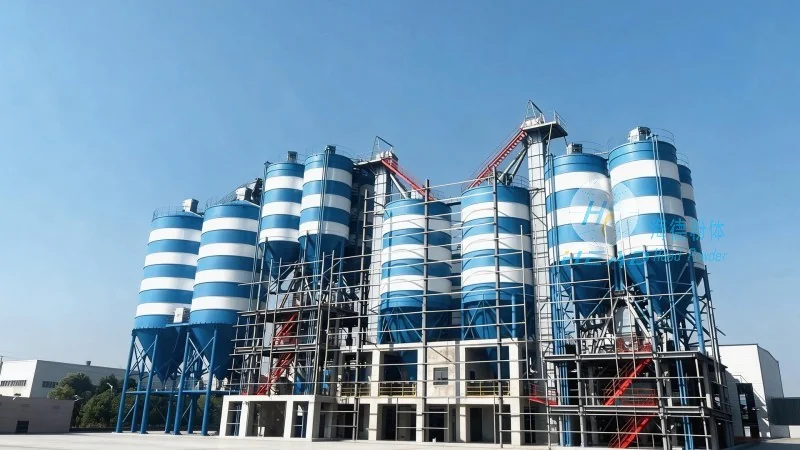
3. **Material Conveying**: As the feeder releases the lime powder, the compressed air from the compressor is introduced into the conveying line. The air and powder mixture is then propelled through the pipeline by the pressure differential created by the compressor. The powder particles are suspended in the air stream and transported to the receiver. The velocity of the air and the size of the powder particles determine the conveying velocity and the overall efficiency of the system.
4. **Deposition and Collection**: Upon reaching the receiver, the air and powder mixture is separated. The air is typically vented to the atmosphere or recycled, while the lime powder is collected in the receiver. The receiver's discharge valve is then opened to allow the material to be discharged as needed. The process continues until the hopper is empty or the required amount of material has been transferred.
Working Principle of the Pneumatic Conveying Mechanism
The working principle of a lime powder pneumatic conveying machine is based on the fundamental physics of fluid dynamics and particle suspension. The system operates by creating a pressure differential between the source and the destination, which drives the material through the pipeline. The key principles involved include:
1. **Pressure Differential**: The air compressor generates a higher pressure at the source end of the conveying line, while the receiver end is at a lower pressure (often atmospheric). This pressure difference creates a driving force that propels the air and powder mixture through the pipeline. The magnitude of the pressure differential determines the conveying capacity and the distance over which the material can be transported.
2. **Particle Suspension**: The compressed air creates a turbulent flow within the conveying line, which suspends the lime powder particles in the air stream. The velocity of the air is sufficient to overcome the gravitational force acting on the particles, allowing them to be carried along with the air. The size and density of the powder particles affect the required air velocity and pressure to achieve effective suspension.