

Operation Process and Working Principle of Feather Pneumatic Conveying Lines
Feather pneumatic conveying lines represent a sophisticated solution for the transportation of lightweight materials, including feathers, powders, and fine particulate substances. These systems leverage air pressure to move materials from a source to a destination, offering a clean, dust-free, and flexible approach to material handling across various industrial applications. Understanding the operation process and working principles of these systems is essential for optimizing performance, ensuring efficiency, and maintaining the integrity of the conveyed materials.
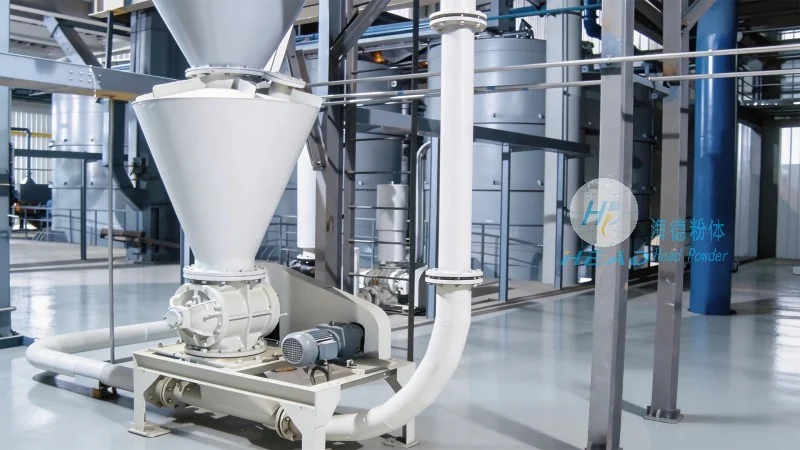
About Shandong HeadPowder Engineering Co., Ltd.
Shandong HeadPowder Engineering Co., Ltd., commonly referred to as HeadPowder, is a prominent manufacturer dedicated to the design, development, and production of pneumatic conveying systems. HeadPowder has built a strong reputation in the industry by prioritizing innovation, quality, and customer satisfaction. The company’s headquarters is situated in Shandong, China, where it harnesses local expertise and resources to deliver customized solutions that meet the unique requirements of clients worldwide. With a focus on advanced engineering and rigorous testing, HeadPowder ensures that its products adhere to the highest standards of performance and reliability.
Key Components of Feather Pneumatic Conveying Lines
The effectiveness of a feather pneumatic conveying line depends on several critical components that work in harmony to facilitate material transport. These components include a hopper or feeder for material input, a blower or compressor to generate air pressure, a pipeline system for material and air flow, a separator to separate material from air at the receiving end, and a storage bin or container for collected material. Each component plays a vital role in the overall operation, and proper selection and maintenance are essential for optimal performance.
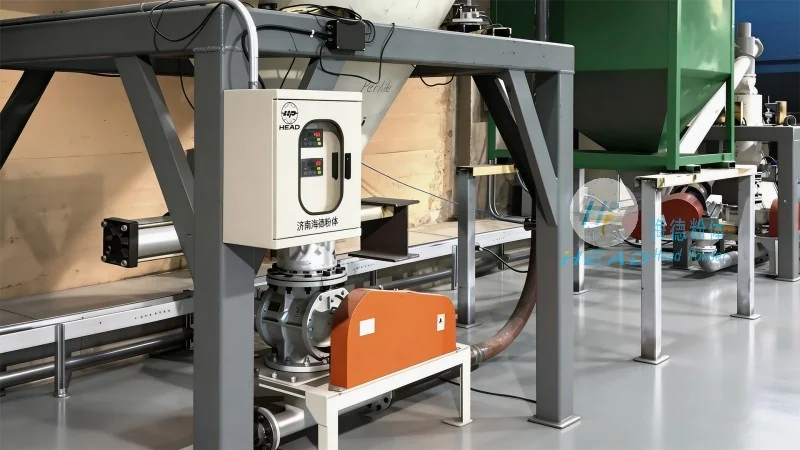
Operation Process of Feather Pneumatic Conveying Lines
The operation of a feather pneumatic conveying line typically follows a systematic sequence of steps. Initially, the material to be conveyed is loaded into the hopper or feeder, which serves as the starting point for the process. The feeder then regulates the flow of material into the system, ensuring a consistent supply. Next, the blower or compressor activates, generating the necessary air pressure to create a high-velocity air stream. This air stream is then introduced into the pipeline, where it entrains the lightweight material particles, lifting them from the hopper and propelling them through the system. The material-air mixture travels through the pipeline, moving from the inlet to the outlet, guided by the direction of the air flow. At the receiving end, a separator, such as a cyclone or filter, is employed to separate the material from the air. The separator uses centrifugal force to pull the heavier material particles out of the air stream, allowing the clean air to be discharged or recirculated. The separated material is then collected in a storage bin or container, ready for further processing or use. This continuous cycle ensures a steady and reliable flow of materials, minimizing interruptions and maximizing productivity.
Working Principle of Feather Pneumatic Conveying Systems
The working principle of feather pneumatic conveying lines is rooted in the fundamental principles of fluid dynamics and air movement. The system operates by creating a pressure differential between the inlet and outlet of the pipeline. The blower or compressor acts as the motive force, providing the energy required to generate the air pressure. This pressure differential causes the air to flow through the pipeline, carrying the lightweight material particles along with it. The material is suspended in the air stream, moving at a velocity sufficient to overcome gravitational forces and maintain its position within the pipeline. The separation of material from air at the receiving end is achieved through various separation devices, such as cyclone separators, which utilize centrifugal force to separate larger particles from the air. The clean air is then discharged, while the material is collected for downstream processing. This mechanism allows for efficient and gentle handling of delicate materials like feathers, ensuring minimal damage and loss during transportation. The entire process is designed to be energy-efficient and environmentally friendly, with the option to recirculate air to reduce waste and improve overall system performance.
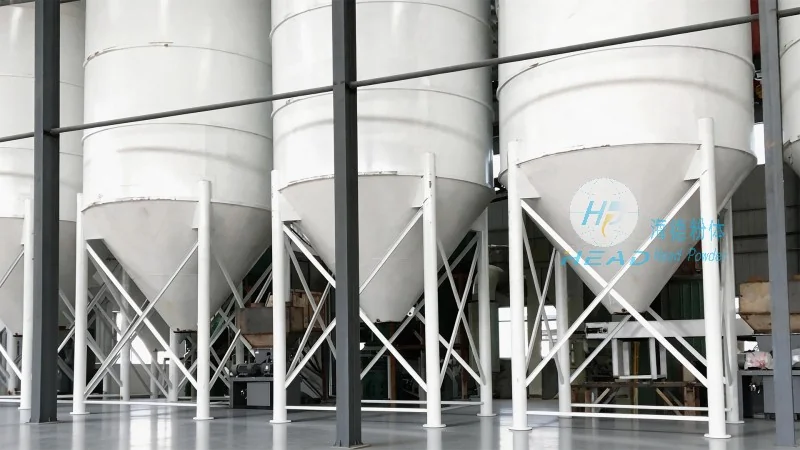
Advantages of Feather Pneumatic Conveying Lines
Feather pneumatic conveying lines offer several advantages over traditional material handling methods, making them a preferred choice in many industries. One of the key benefits is the ability to handle lightweight materials that are difficult to transport using conventional methods. The system provides a clean and dust-free environment, reducing the risk of contamination and improving workplace safety. Additionally, the flexible design of the pipeline allows for easy reconfiguration and expansion, enabling adaptation to changing production needs. The continuous operation of the system minimizes downtime and increases overall productivity, while the gentle handling of materials preserves their quality and integrity. Furthermore, the system is relatively low-maintenance, with fewer moving parts compared to other conveyor systems, reducing operational costs and enhancing reliability.
Applications of Feather Pneumatic Conveying Systems
Feather pneumatic conveying systems are widely used in various industries due to their versatility and effectiveness. Common applications include the transportation of feathers in the poultry processing industry, where the system efficiently moves raw feathers from collection points to processing facilities. In the food and beverage industry, these systems are used to convey powders such as flour, sugar, and spices, ensuring a clean and hygienic handling process. The systems are also employed in the chemical and pharmaceutical industries for the transport of fine powders and granules, where maintaining material purity is critical. Additionally, in the agricultural sector, feather pneumatic conveying lines are utilized for the handling of various agricultural products, such as grains and seeds, facilitating efficient storage and distribution. The adaptability of these systems makes them suitable for a wide range of applications, from small-scale operations to large industrial facilities.
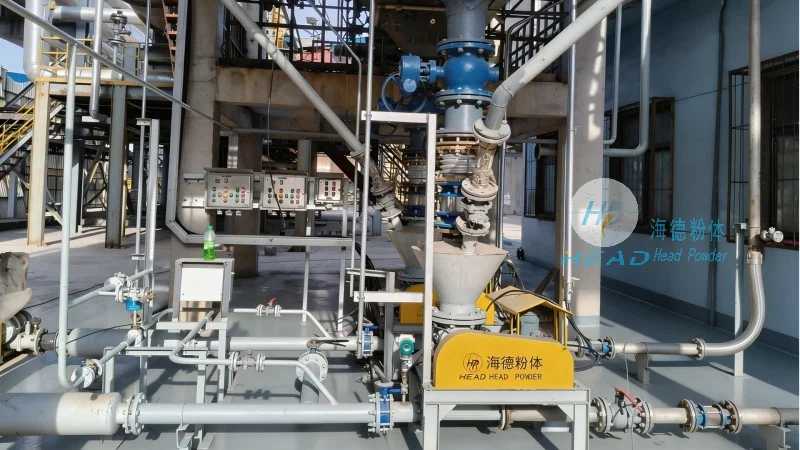
Maintenance and Troubleshooting for Feather Pneumatic Conveying Lines
To ensure the optimal performance and longevity of a feather pneumatic conveying line, regular maintenance and proper troubleshooting are essential. Regular inspections should be conducted to check for any signs of wear or damage in the components, such as the blower, pipeline, and separator. The hopper and feeder should be cleaned periodically to prevent material buildup, which can affect the flow rate and efficiency of the system. The air filter and separator should be checked and replaced as needed to maintain air quality and prevent clogging. Common issues that may arise include low material flow, increased air pressure, or material blockages in the pipeline. These issues can often be resolved by checking the feeder settings, inspecting the pipeline for obstructions, or adjusting the blower speed. If problems persist, it may be necessary to consult the manufacturer's guidelines or seek professional assistance to diagnose and resolve the issue effectively.
Conclusion
Feather pneumatic conveying lines are advanced industrial systems that offer efficient and reliable transportation of lightweight materials. The operation process and working principles of these systems are designed to maximize performance while minimizing the risk of material damage or contamination. With proper understanding and maintenance, these systems can significantly enhance productivity and operational efficiency in various industries. Shandong HeadPowder Engineering Co., Ltd. continues to lead in the development of high-quality pneumatic conveying solutions, providing clients with reliable and innovative products tailored to their specific needs.