

Operation Process and Working Principle of Paper Sheet Pneumatic Conveying Lines
Paper sheet pneumatic conveying lines are specialized systems designed to transport paper sheets efficiently and reliably. These systems are widely used in the paper and packaging industries, offering a clean, dust-free, and low-maintenance method for moving paper materials from one location to another. The operation of such lines involves a series of controlled steps that ensure the smooth and safe transfer of paper sheets, while the underlying working principles rely on the principles of fluid dynamics and air pressure. Understanding both the operation process and the working principles is crucial for optimizing performance and maintaining the integrity of the paper sheets during transport.
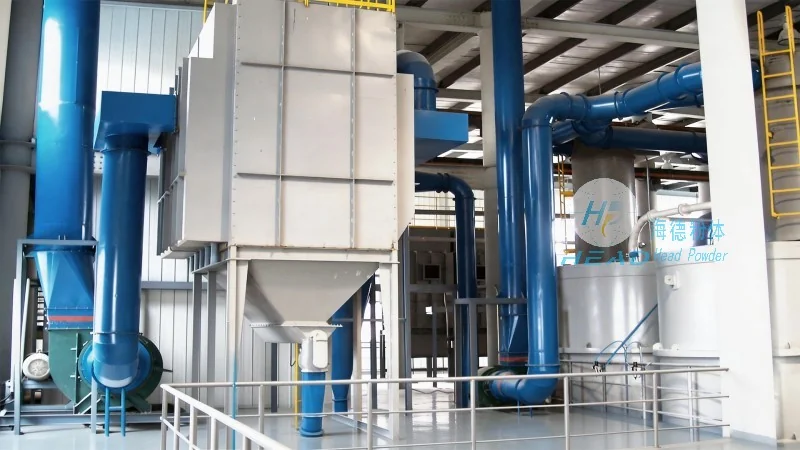
Company Overview: Shandong HeadPowder Engineering Co., Ltd.
HeadPowder, a leading manufacturer in the field of pneumatic conveying systems, specializes in the design, manufacturing, and installation of high-quality paper sheet pneumatic conveying lines. With a strong presence in China, particularly in Shandong, the company has built a reputation for delivering reliable and efficient solutions tailored to the specific needs of the paper industry. The company’s expertise lies in integrating advanced technology with practical engineering to create systems that meet the demanding requirements of modern paper processing facilities. HeadPowder’s commitment to quality and customer satisfaction has made it a trusted partner for businesses seeking to enhance their material handling capabilities.
Key Components of Paper Sheet Pneumatic Conveying Systems
A typical paper sheet pneumatic conveying line consists of several key components that work in tandem to achieve effective material transport. The primary components include the feed hopper, which holds the paper sheets and controls the rate of material discharge; the air compressor or blower, which generates the necessary air pressure to move the paper; the conveying pipeline, which serves as the main channel for transporting the paper sheets; the separation and cleaning equipment, which ensures that the paper remains intact and free from contaminants; and the discharge unit, which delivers the paper to the destination point. Each component plays a critical role in the overall operation, and their proper integration is essential for the system's efficiency and reliability.
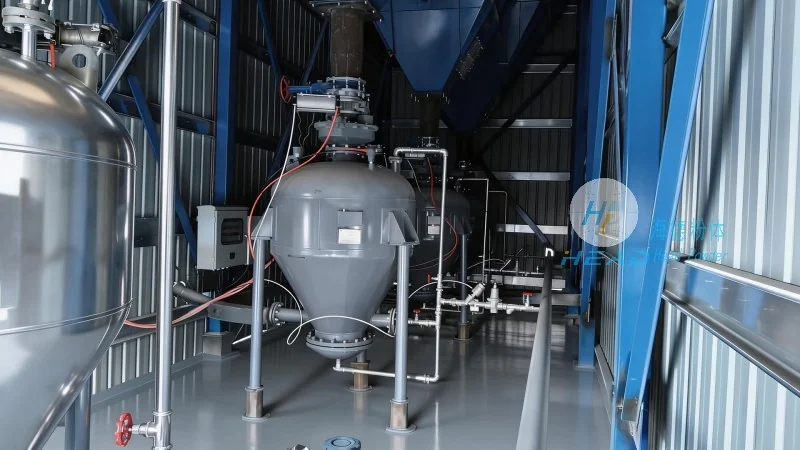
The Operation Process of Paper Sheet Pneumatic Conveying Lines
The operation process of a paper sheet pneumatic conveying line begins with the loading of paper sheets into the feed hopper. The hopper is equipped with a control valve that regulates the flow of paper into the system, ensuring a consistent and controlled feed rate. Once the paper is in the hopper, the air compressor starts, generating a high-pressure air stream that enters the conveying pipeline. The air pressure creates a pressure differential, which draws the paper sheets into the pipeline and propels them forward. As the paper travels through the pipeline, it may encounter bends, changes in direction, or additional equipment such as cyclones or filters, which help maintain the integrity of the paper and remove any dust or debris. The conveying process continues until the paper reaches the discharge unit, where it is released into the receiving container or processing area. The entire operation is typically automated, with sensors and controls monitoring the system's performance and adjusting parameters as needed to maintain optimal conditions.
Working Principles of Paper Sheet Pneumatic Conveying Lines
The working principles of paper sheet pneumatic conveying lines are based on the fundamental principles of fluid dynamics and air pressure. The system operates by creating a pressure difference between the inlet and outlet of the conveying pipeline. The air compressor provides the necessary pressure, which is then used to move the paper sheets through the system. The key principle is that the air flow carries the paper sheets along the pipeline, using the kinetic energy of the air to overcome the resistance caused by friction and gravity. The design of the conveying system, including the diameter and length of the pipeline, the air velocity, and the angle of inclination, all play a role in determining the efficiency of the transport. Additionally, the use of positive or negative pressure systems can be employed, depending on the specific application and the characteristics of the paper material. Positive pressure systems use compressed air to push the paper forward, while negative pressure systems use suction to draw the paper into the pipeline. Both approaches have their advantages and are chosen based on factors such as the distance to be covered, the material properties, and the desired speed of transport.

Advantages and Applications of Paper Sheet Pneumatic Conveying Lines
Paper sheet pneumatic conveying lines offer several advantages over traditional material handling methods, making them an ideal choice for many paper processing applications. One of the primary advantages is the ability to transport paper sheets in a clean and dust-free environment, which is particularly important for maintaining the quality of the paper and preventing contamination. The systems are also highly flexible, allowing for easy integration into existing production lines and the ability to transport paper sheets over long distances without the need for intermediate handling. Additionally, pneumatic conveying systems are low-maintenance and can be designed to operate continuously, reducing downtime and increasing productivity. These systems are commonly used in applications such as paper recycling, where paper sheets need to be moved from collection points to processing facilities; in paper mills, where raw paper sheets are transported from storage to the production line; and in packaging plants, where finished paper products are moved to packaging and shipping areas. The versatility and efficiency of paper sheet pneumatic conveying lines make them a valuable asset for any business operating in the paper industry.
Conclusion
In conclusion, paper sheet pneumatic conveying lines are sophisticated systems that combine advanced engineering with practical application to provide efficient and reliable transport of paper materials. The operation process involves a series of controlled steps, from material loading to discharge, while the working principles rely on the principles of air pressure and fluid dynamics. With the expertise of companies like Shandong HeadPowder Engineering Co., Ltd., these systems can be tailored to meet the specific needs of individual paper processing facilities, ensuring optimal performance and long-term reliability. As the demand for efficient material handling in the paper industry continues to grow, pneumatic conveying lines remain a key technology for maintaining productivity and quality in paper processing operations.